
Which factors determine the most suitable water testing method?
The most suitable water testing method depends on the type of water system, the suspected or managed risks, the level of accuracy required, and whether the result must support regulatory compliance or formal investigation. Sampling conditions, the target organisms or contaminants, and the need for laboratory confirmation also influence whether a screening kit, field method or laboratory analysis is appropriate.
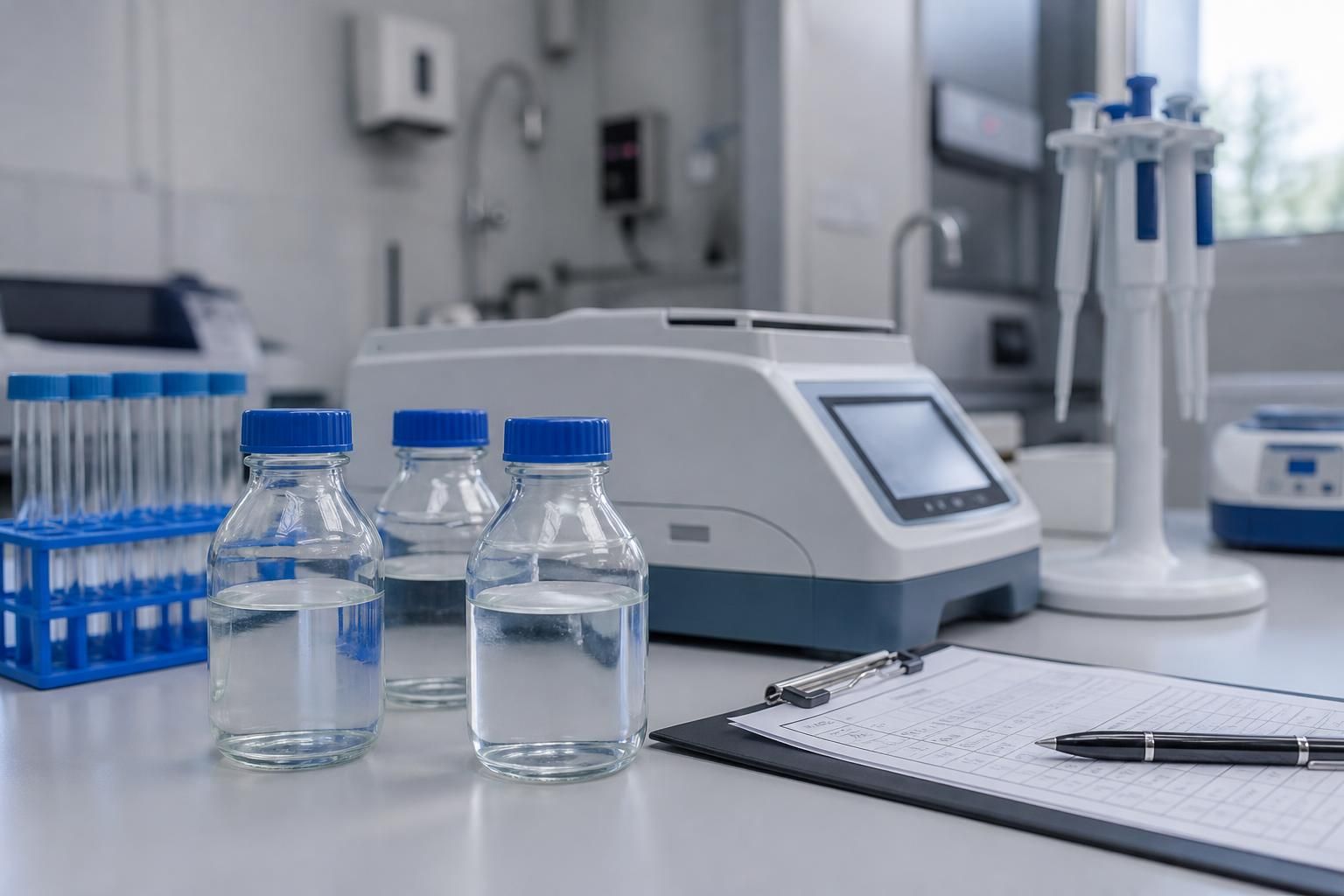
The most suitable water testing method is the one that produces evidence appropriate to the decision being made. A preliminary screening exercise may justify a field-based method, while a compliance record, investigation or remedial verification usually requires a documented laboratory process with defined detection limits and quality controls.
Start with the purpose of the test
Before selecting a method, define what the result needs to establish. Common objectives include checking whether a system is operating within its control parameters, investigating an unexpected change, confirming the effect of remedial work, supporting a risk assessment, or providing evidence after a suspected case of illness. These objectives can require different levels of analytical certainty and documentation.
- Routine monitoring: a consistent, repeatable method is important so that results can be compared over time.
- Investigation: the method may need greater sensitivity, additional organisms or contaminants, and a carefully controlled sampling plan.
- Verification: the method must be capable of demonstrating whether the relevant control measure has had the intended effect.
- Formal evidence: sample traceability, laboratory competence, quality assurance and an auditable report become particularly important.
Consider the sample matrix
Water is not a uniform testing material. Potable water, hot and cold water services, cooling systems, spa pools, process water and water containing sediment can behave differently during sampling and analysis. Temperature, disinfectant residuals, turbidity, biofilm fragments, metals and other substances may affect the recovery of an organism or interfere with a test reaction.
The method should therefore be validated or suitable for the relevant water matrix. A procedure designed for relatively clean water may not provide dependable results in a heavily fouled system. Where deposits, sludge or biofilm are relevant to the investigation, the sampling plan may need to include more than a single water sample.
Match the method to the organism or analyte
Different methods answer different analytical questions. Culture-based analysis attempts to recover organisms that can grow under the specified laboratory conditions. Molecular methods, such as polymerase chain reaction testing, detect genetic material and can provide useful information where rapid or sensitive detection is required, but detection of DNA does not necessarily establish that an organism is viable or capable of multiplying.
Field kits and screening methods may indicate a change in conditions or identify a possible problem, but their output can be less specific than a laboratory result. They may not identify the organism to the level required, distinguish between related organisms, or provide a result that is accepted for a particular compliance purpose. The method's stated scope should be checked rather than assuming that every test labelled for water provides the same evidence.
Check sensitivity, specificity and reporting limits
A suitable method must be capable of detecting the concentration that matters for the decision. Important terms include the limit of detection, the limit of quantification, analytical specificity and the possibility of false positive or false negative results. A highly sensitive method is not automatically the best choice if it detects material that is not relevant to the decision or if the result cannot be interpreted in context.
Ask the laboratory or test provider:
- What does a positive result actually detect?
- Can the method distinguish viable organisms from genetic material or other non-viable residues?
- What are the detection and reporting limits?
- Has the method been validated for the type of sample being submitted?
- How are inconclusive, inhibited or contaminated samples reported?
Assess sampling and sample handling requirements
Sampling can influence the result as much as the analytical technique. The sampling point, outlet condition, flushing procedure, sample volume, containers, preservative, transport conditions and time between collection and analysis all need to follow the method's instructions. For some tests, neutralising residual disinfectant is essential; for others, unsuitable storage can alter the result before analysis begins.
A method that appears convenient but has demanding handling requirements may be unsuitable if those requirements cannot be controlled. Conversely, a laboratory method can be appropriate only when the sampler, containers, records and transport arrangements support the laboratory's acceptance criteria. A clear sampling plan should identify locations, reasons for selection and any relevant system conditions.
Consider whether results need to be compared
When testing forms part of ongoing monitoring, consistency is often more useful than changing between unrelated methods. Repeated samples should be collected from comparable points and analysed using a consistent procedure wherever possible. If the method changes, the difference between results may reflect the testing process rather than a genuine change in water quality.
Results should also be interpreted alongside operational information, such as temperature records, disinfectant measurements, maintenance activity, periods of stagnation, changes in occupancy and any remedial work. A laboratory result is evidence from a particular sample at a particular time; it is not, by itself, a complete description of the whole water system.
Check competence and compliance requirements
Where results will support a formal risk management process, the laboratory's competence and scope matter. Check whether the laboratory is accredited for the specific test and sample type, rather than relying only on a general statement of accreditation. Reports should identify the method used, sample details, collection information, results, units, reporting limits and any qualifications or limitations.
UK guidance and the requirements of the relevant organisation may also influence which methods are acceptable. If a result is intended for an audit, enforcement matter, investigation or contractual record, agree the required method and reporting format before sampling. This prevents a technically interesting result from being unusable for its intended purpose.
Use a proportionate decision process
The practical choice is usually made by weighing evidential value against complexity, cost, sampling constraints and the consequences of acting on an uncertain result. A screening test may be reasonable for an initial indication, followed by laboratory analysis where the finding is unexpected or significant. In other circumstances, going directly to a laboratory may avoid duplication and provide a stronger record from the outset.
For businesses managing legionella risks, Blue Fish Water Management Ltd can advise on the relationship between the sampling objective, method selection, laboratory testing and the wider water safety control process. The key is to select a method that answers the specific question, is properly supported by sampling and documentation, and produces a result that can be interpreted and acted upon with confidence.
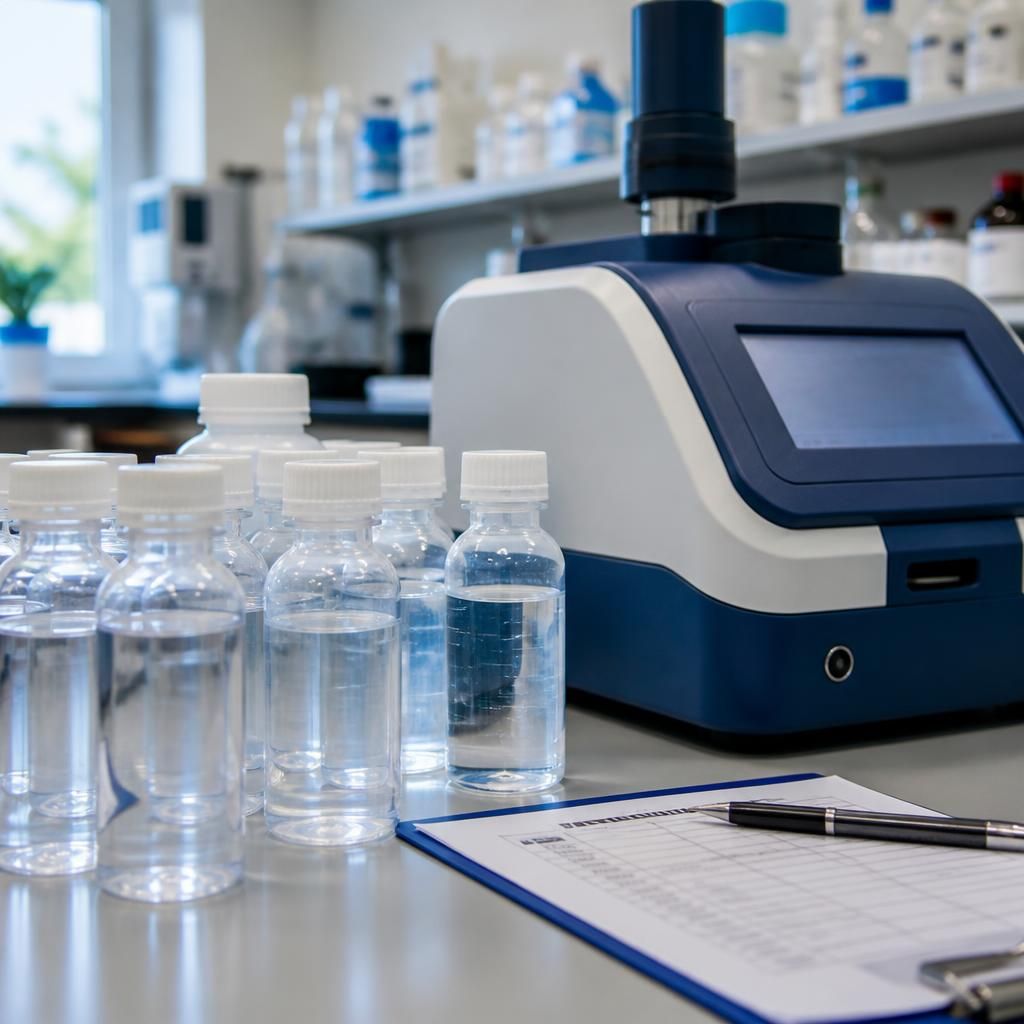
The most suitable method may depend on where the evidence is located, not only on the water itself. A water sample can show what is present in the sampled volume, but it may not fully represent organisms associated with biofilm, scale, sediment or other deposits. Where system conditions suggest that these materials are relevant, the investigation may need an appropriate deposit, swab or other supplementary sample, provided the procedure is suitable for that purpose.
This distinction helps prevent a negative water result from being treated as proof that the wider system is free from the issue being investigated. The sampling approach and analytical method should be selected together, with the laboratory or competent adviser confirming which sample types it can process and how each result should be interpreted.
Discuss the right water testing method
If you are unsure which testing approach suits your business, discuss your testing objective with Blue Fish Water Management Ltd. Their team can advise on the evidence required and the appropriate next step.