
When is comprehensive water testing worth the additional cost?
Comprehensive water testing is worth the additional cost when the premises has a complex or high-risk water system, vulnerable occupants, a history of unsatisfactory results or uncertainty about the source of contamination. The broader evidence can support proportionate legionella controls, help demonstrate that compliance duties are being managed and reduce the risk of decisions based on limited sampling.
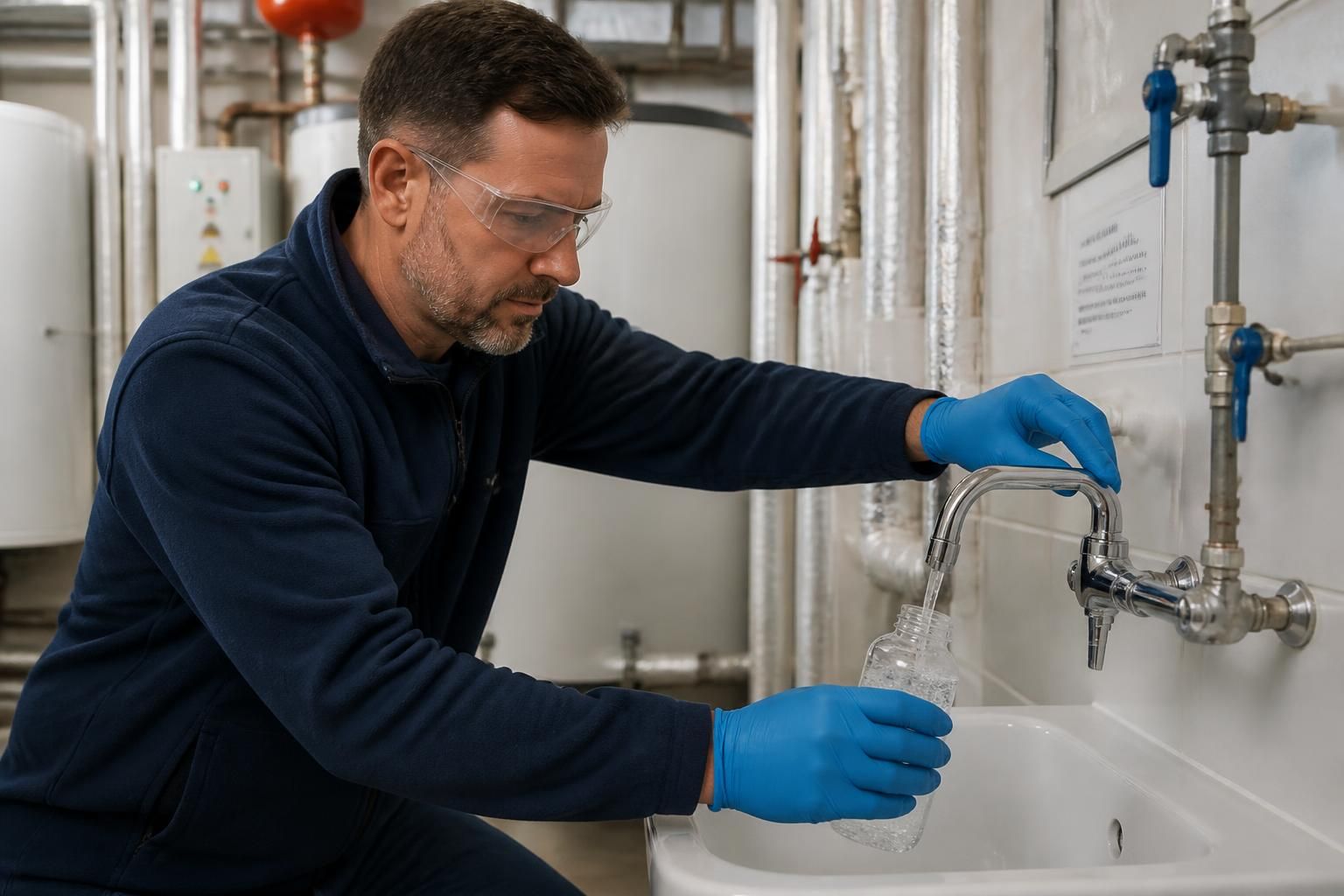
Comprehensive water testing is worth the additional cost when a wider or more detailed evidence base is likely to change the decisions made about monitoring, maintenance, investigation or remedial work. It is not automatically better than a targeted programme: the appropriate scope should reflect the water system, the purpose of the investigation and the consequences of relying on incomplete information.
Start with the decision the testing needs to support. Before adding samples or analytical parameters, identify what the results must establish. For example, testing may be intended to verify that control measures are working, investigate an unexplained result, support a change to a water system, or provide evidence following remedial work. If a result would not alter the management response, the extra analysis may add cost without adding useful assurance.
A comprehensive scope can be particularly valuable where one test alone cannot explain the condition of the system. A broader programme may consider more sampling locations, hot and cold water outlets, storage vessels, return loops, sentinel points and areas with limited circulation. It may also compare different parts of the system or collect samples at different stages of an investigation. This helps distinguish an isolated finding from a pattern that requires a system-wide response.
Testing has greater value when the water system is changing. Alterations to distribution pipework, plant replacement, changes in occupancy or a change in how a building is used can make previous results less representative. Sampling undertaken after commissioning, refurbishment or remedial work can provide evidence that the altered arrangement is operating as intended. The scope should be based on the actual design and use of the system rather than copied from an earlier sampling schedule.
The additional cost may also be justified where the initial result is difficult to interpret. A single positive or unusual result does not always identify the source, extent or significance of a problem. Follow-up samples, supporting water-quality parameters and a review of temperatures, circulation and maintenance records may be needed to establish whether the finding is reproducible and what action is proportionate. Results should be assessed alongside the risk assessment and operational information, not treated as a standalone pass-or-fail certificate.
Consider the cost of incomplete evidence as well as the laboratory charge. A narrow scope can leave important parts of a system unexamined, leading to repeated visits, delayed decisions or remedial work that does not address the underlying issue. Conversely, collecting samples without a defined purpose can produce data that is difficult to act on. Comprehensive testing is most defensible when the proposed sampling plan explains what each sample is intended to confirm or rule out.
When comparing quotations, check what “comprehensive” includes. The total price may depend on:
- the number and type of samples;
- the locations selected and whether access arrangements are included;
- the organisms or chemical and physical parameters being tested;
- the laboratory method and reporting format;
- sample collection, transport and chain-of-custody requirements;
- interpretation of results and any follow-up recommendations; and
- whether repeat sampling or additional investigation is priced separately.
Laboratory analysis is only one part of the cost. A technically sound programme also requires suitable sampling points, accurate identification of outlets, appropriate handling and transport, and results that can be linked back to the relevant parts of the system. A lower-priced quote may cover fewer samples, a narrower analytical range or reporting without interpretation, so like-for-like comparison is important.
Testing should support, not replace, control measures. Sampling cannot compensate for poor temperature control, inadequate circulation, ineffective cleaning or incomplete monitoring. Where testing identifies a concern, the response may involve reviewing the risk assessment, checking plant operation, correcting system defects, improving flushing or carrying out remedial work. The value of comprehensive testing therefore depends partly on whether the organisation has a process for acting on the findings.
For a well-characterised system with reliable monitoring records and a clearly defined objective, a targeted programme may provide sufficient evidence. A broader scope is more appropriate when the available information cannot answer the management question, when previous findings need to be verified, or when the consequences of an incorrect assumption would be significant. The final choice should be documented so that the reason for the scope, the limitations of the results and any follow-up actions are clear to those responsible for water safety compliance.
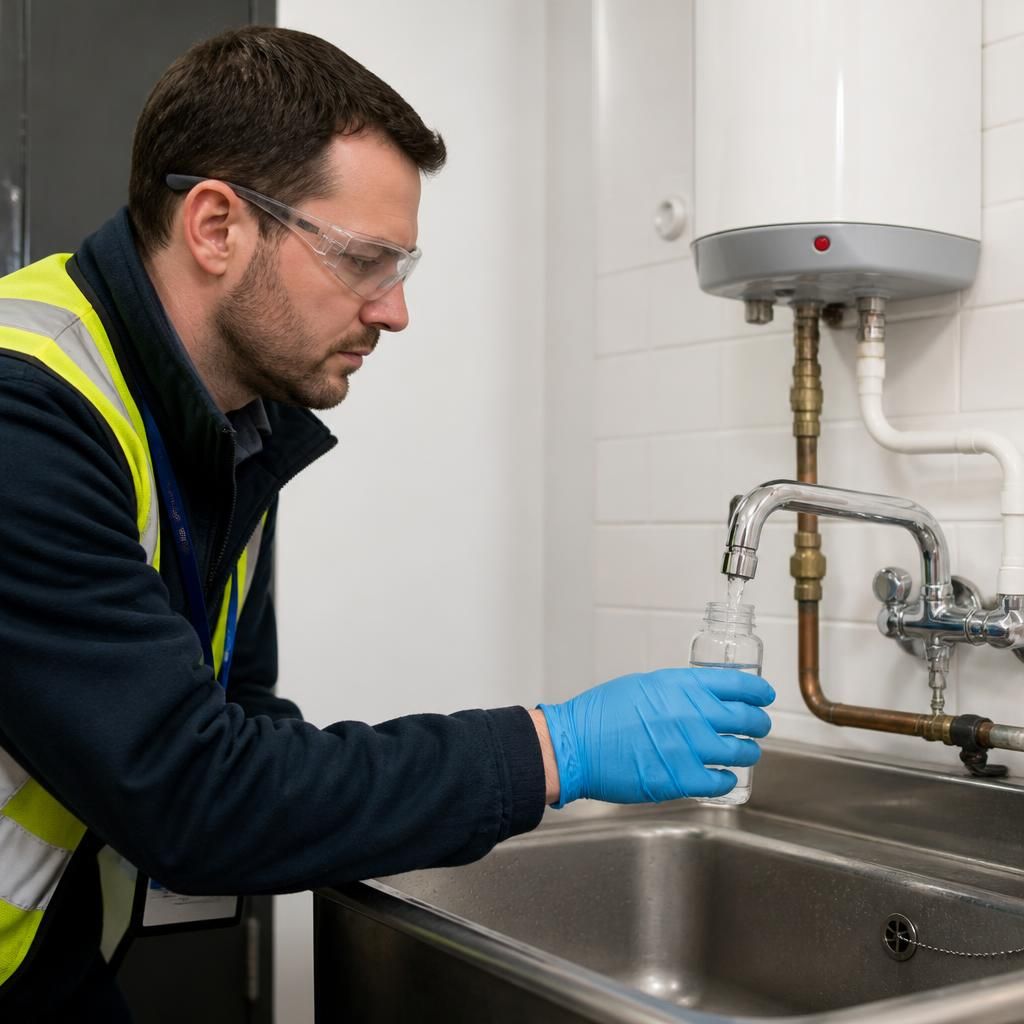
“Comprehensive” water testing does not describe a fixed package with the same scope for every premises. Its value depends on whether the additional samples and analytical parameters answer a defined question that a narrower programme cannot address. A higher price is therefore justified by the evidence required, not by the label used on a quotation.
Before agreeing to the extra cost, ask for the proposed scope to be linked to the water system risk assessment and the decision it will inform. The sampling plan should explain why each location and parameter is included, what a significant result would mean, and how the findings will be recorded and acted upon. This makes it easier to distinguish necessary assurance from testing that produces information without a clear management purpose.
Discuss Your Comprehensive Water Testing Requirements
Discuss your comprehensive water testing requirements with Blue Fish Water Management Ltd to clarify the evidence needed for your premises and the most appropriate scope for the investigation.