
What should a water testing quote include?
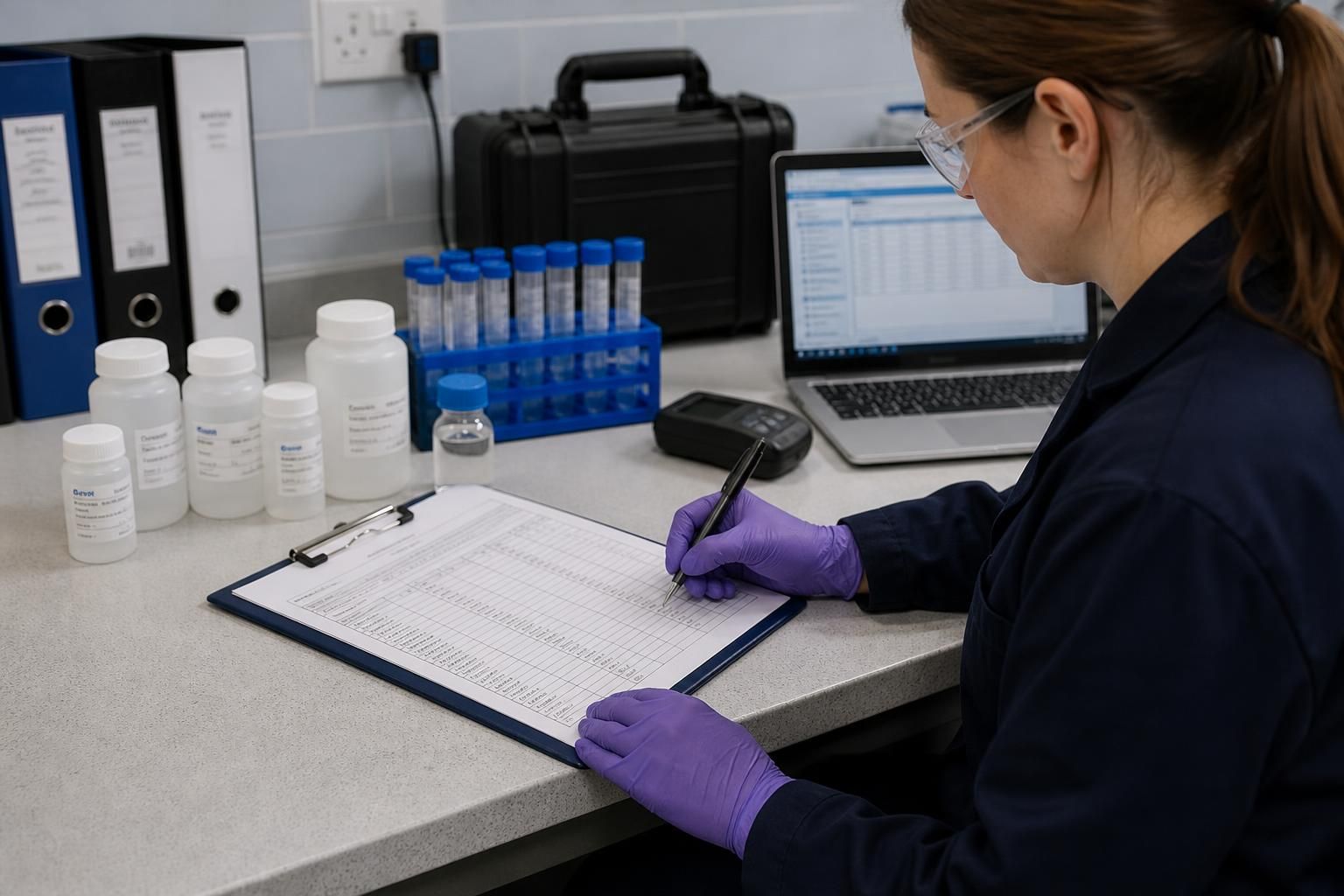
A water testing quote should define the work being priced, the basis for the recommendations and every cost that could affect the final invoice. For a business site, it should provide enough detail to confirm that the proposed testing is suitable for the water systems, the compliance objective and the level of risk identified.
Site and client details: The quotation should identify the organisation, premises and relevant water systems or buildings covered. It should also state whether the price applies to one site, several properties or a wider programme. This prevents a quote for a limited area or single system being mistaken for a whole-estate service.
Testing purpose and frequency: A clear proposal explains whether the work is intended as an initial investigation, routine monitoring, verification after remedial work or part of an ongoing water hygiene programme. If repeat visits or scheduled sampling are recommended, the quote should state the proposed frequency, contract period and circumstances that could require the programme to be reviewed.
Technical basis: The supplier should explain how the proposed work relates to the type, use and condition of the water system. This may include consideration of hot and cold water services, storage, outlets, vulnerable occupants, changes in operating conditions or a previous result that requires further investigation. Where a particular test or sampling approach is recommended, the reason should be stated rather than presented as an unexplained line item.
Itemised pricing: Charges should be separated sufficiently to show what is included. Depending on the proposal, this may include professional attendance, sample handling, laboratory analysis, certificates or reporting, administration, travel and any follow-up review. If the quote includes a package price, it should still explain the elements within that package. VAT should be identified separately where applicable.
Results and interpretation: The quotation should describe how findings will be communicated and whether the fee covers interpretation by a competent water hygiene professional. It is useful to establish whether the report will distinguish satisfactory results from results requiring investigation, and whether it will identify recommended next steps. Laboratory results alone may not explain the practical significance of a finding within the wider water system.
Additional work: Testing and remedial work should be treated as separate decisions unless the quote expressly combines them. The document should state whether follow-up sampling, repeat analysis, urgent investigations, extra samples or corrective work are excluded, included up to a stated limit, or charged at an agreed rate. This is particularly important where the initial findings may change the amount of work needed.
Assumptions and exclusions: A robust quote records the assumptions used to calculate the price. These might relate to access to plant rooms and outlets, the availability of site information, safe working conditions, escort requirements or the number of visits needed. It should also identify circumstances that could lead to a revised price, such as inaccessible sampling points, additional buildings or a change in the requested testing.
Responsibilities and information required: The proposal should make clear what the client must provide before the work starts, including relevant system records, previous results, site contacts and access arrangements. It should also identify who will receive the findings and who is responsible for deciding whether further action is required. Clear responsibilities reduce the risk of results being issued without reaching the person managing water safety.
Commercial terms: Check the quote’s validity period, payment terms, cancellation provisions and any conditions applying to repeat visits or additional work. A quote should also state whether prices are fixed for the defined work or may change if the agreed requirements alter. These details are part of comparing the real cost, rather than comparing headline prices only.
Before accepting a proposal, check that it answers the following points:
- What objective is the testing intended to meet?
- Which water systems, buildings and monitoring occasions are included?
- What analysis and professional review are covered by the price?
- What happens if a result requires investigation or repeat testing?
- Which charges, assumptions and exclusions could alter the final cost?
- What information, access and decisions are required from the client?
The most useful quote is not necessarily the one with the lowest total. It is the one that makes the testing rationale, deliverables, client responsibilities and potential additional charges sufficiently clear for an informed procurement decision.

A complete water testing quote should explain how sample integrity and traceability will be maintained from collection through to reporting. It should identify the records associated with each sample, such as the sampling point, collection date, reference number and handling arrangements, so that a result can be linked reliably to the correct outlet or system. This is particularly important where several buildings or sampling visits are included. The proposal should also clarify how samples are transferred for analysis and how any compromised, delayed or unrepresentative sample will be dealt with.
Request a water testing quote
Request a water testing quote based on your premises, systems and compliance requirements. Providing available site information and previous results will help ensure the proposal reflects the work you need.