
What testing frequency should a water testing quote cover?

A suitable water testing quote should set out a documented, risk-based programme covering routine checks, laboratory sampling and any additional testing triggered by a change in conditions. There is no single testing interval that applies to every UK business. The appropriate frequency depends on the type of water system, how it is used, who may be exposed, the effectiveness of existing controls and the conclusions of the legionella risk assessment.
Routine monitoring and laboratory testing should be separated. Water hygiene programmes often include operational checks such as temperature monitoring, inspection of sentinel outlets, review of tank conditions and checks for signs of stagnation. These activities are not the same as collecting samples for laboratory analysis. A quote should identify each activity separately, explain how often it is proposed and state whether the cost of attendance, sampling, analysis and reporting is included.
The quote should show the frequency for each system. A site may have several systems with different levels of risk, including hot and cold water services, stored water, showers, spa facilities, process water or cooling systems. The supplier should not apply one site-wide interval without explaining why it is appropriate. The quotation should instead show the relevant system, the tests required, the planned interval and the reason for that interval.
For laboratory sampling, the proposed programme should identify the parameters being tested. Legionella analysis may be required where the risk assessment or control strategy indicates it, while other tests can help assess general water quality or investigate a particular concern. The quote should state whether each sample is part of routine surveillance, an investigation or verification after remedial work. This distinction matters because investigative and verification samples may be required in addition to the normal programme.
Higher-risk circumstances may require more frequent coverage. The schedule may need strengthening where water is stored or recirculated, outlets are infrequently used, temperatures are difficult to control, biofilm or scale is present, there has been a history of poor results, or vulnerable people could be exposed. Areas with changing occupancy, intermittent use or long periods of low demand may also need specific monitoring arrangements. The quotation should explain how these factors have been considered rather than simply offering a standard package.
Additional testing should be priced separately or clearly included. A complete quote should explain what happens if:
- a laboratory result requires investigation;
- control temperatures or other monitoring results fall outside the required range;
- the system is altered, extended, recommissioned or brought back into use;
- an outlet, tank or section of pipework has remained unused;
- cleaning, disinfection or other remedial work has been completed; or
- the risk assessment identifies a new exposure or a change in the people using the premises.
These events can call for extra samples or follow-up visits. They should not be assumed to be included in the routine price, and the quote should make clear whether they are covered, excluded or charged on an additional basis.
Frequency should be reviewed when the risk changes. A testing schedule is not a substitute for ongoing water hygiene management. Results from monitoring and laboratory analysis should be considered alongside maintenance records, incidents, changes in occupancy and alterations to the water system. If the evidence shows that controls are unreliable or exposure has increased, the responsible person may need to revise the control regime and obtain further professional advice. Conversely, a stable and well-controlled system may not require unnecessary sampling, provided the decision is supported by the risk assessment and applicable guidance.
When comparing quotations, check that each provider has allowed for the same number and type of visits, sampling points, tests, reports and follow-up actions. Ask whether travel, sample collection, laboratory analysis, interpretation of results and recommendations are included. A lower price may reflect less frequent sampling, fewer locations or the exclusion of investigation work rather than a genuinely more efficient programme.
For a business commissioning a quote, the most useful supporting information includes the current legionella risk assessment, water system schematic, asset and outlet lists, previous laboratory results, temperature records, maintenance history and details of any vulnerable occupants or areas of intermittent use. Supplying this information allows the proposed frequency to be matched to the actual risk instead of estimated from the building type alone.
A well-defined quote therefore gives the business a traceable testing plan: each system and sampling location is linked to a stated activity, a justified interval and a clear process for responding to results. That level of detail makes it easier to assess compliance, budget for the full programme and identify when the schedule needs to change.
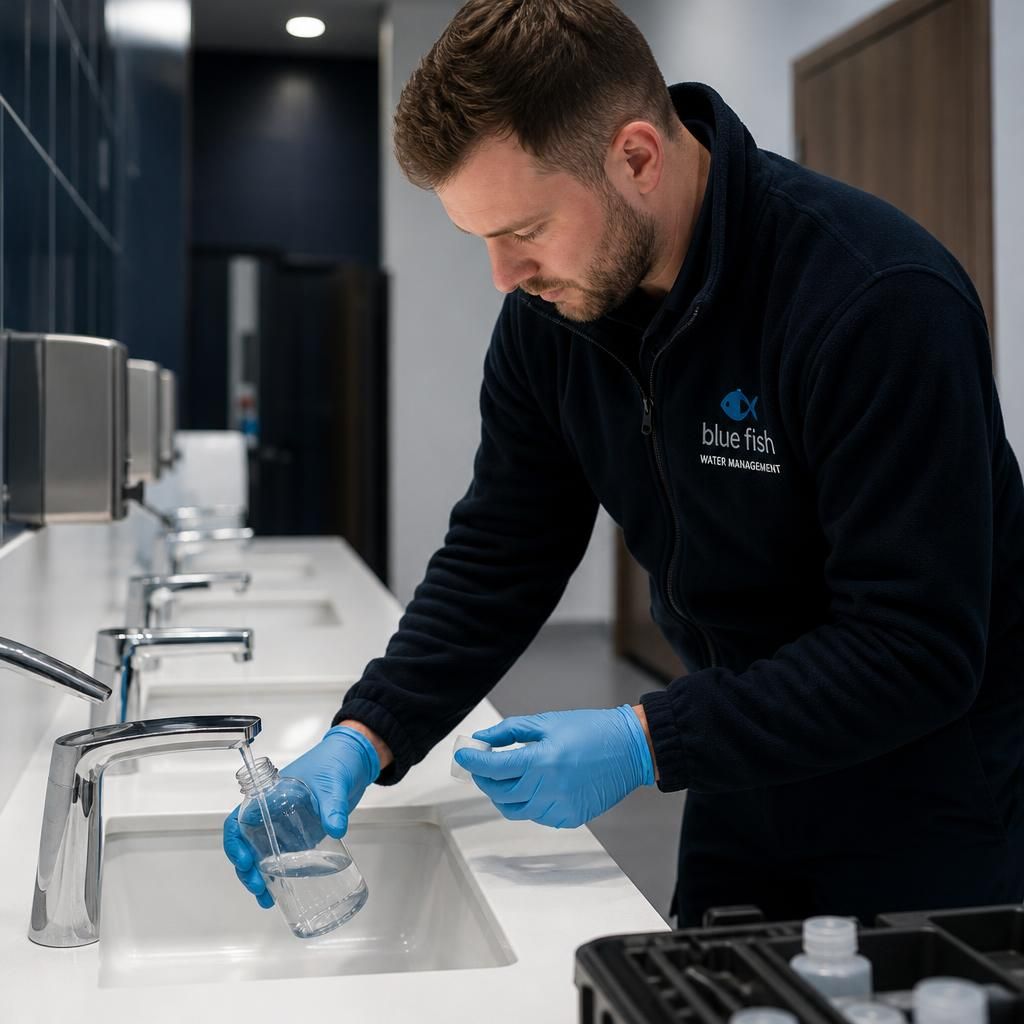
Testing frequency should be expressed in a way that can be checked against the service record. A quotation should clarify whether an interval means a fixed calendar period, a period measured from the previous visit or a set number of planned visits during the contract. Terms such as “regular testing” do not show when samples will be taken or whether the agreed coverage has been delivered.
Ask the provider to explain how the schedule will operate in practice, including:
- the intended timing of each planned sampling visit;
- whether visits can be moved and how the next due date is then calculated;
- how missed or incomplete sampling is recorded;
- whether the quoted frequency applies throughout the year or changes with site use; and
- when the programme will be reviewed against new results or revised site information.
This level of definition helps the business distinguish a genuinely comprehensive testing programme from a quote that uses a broad interval but leaves the actual delivery pattern unclear.
Discuss Your Water Testing Frequency Requirements
Contact Blue Fish Water Management Ltd to discuss your proposed testing schedule and obtain a quote that clearly defines the planned coverage.