
How do laboratory methods affect water testing quotes?
Laboratory methods affect water testing quotes because the analytical technique, range of parameters, detection limits and sample-handling requirements determine the work involved. A quote should therefore be assessed alongside the proposed test method and reporting requirements, not by price alone.
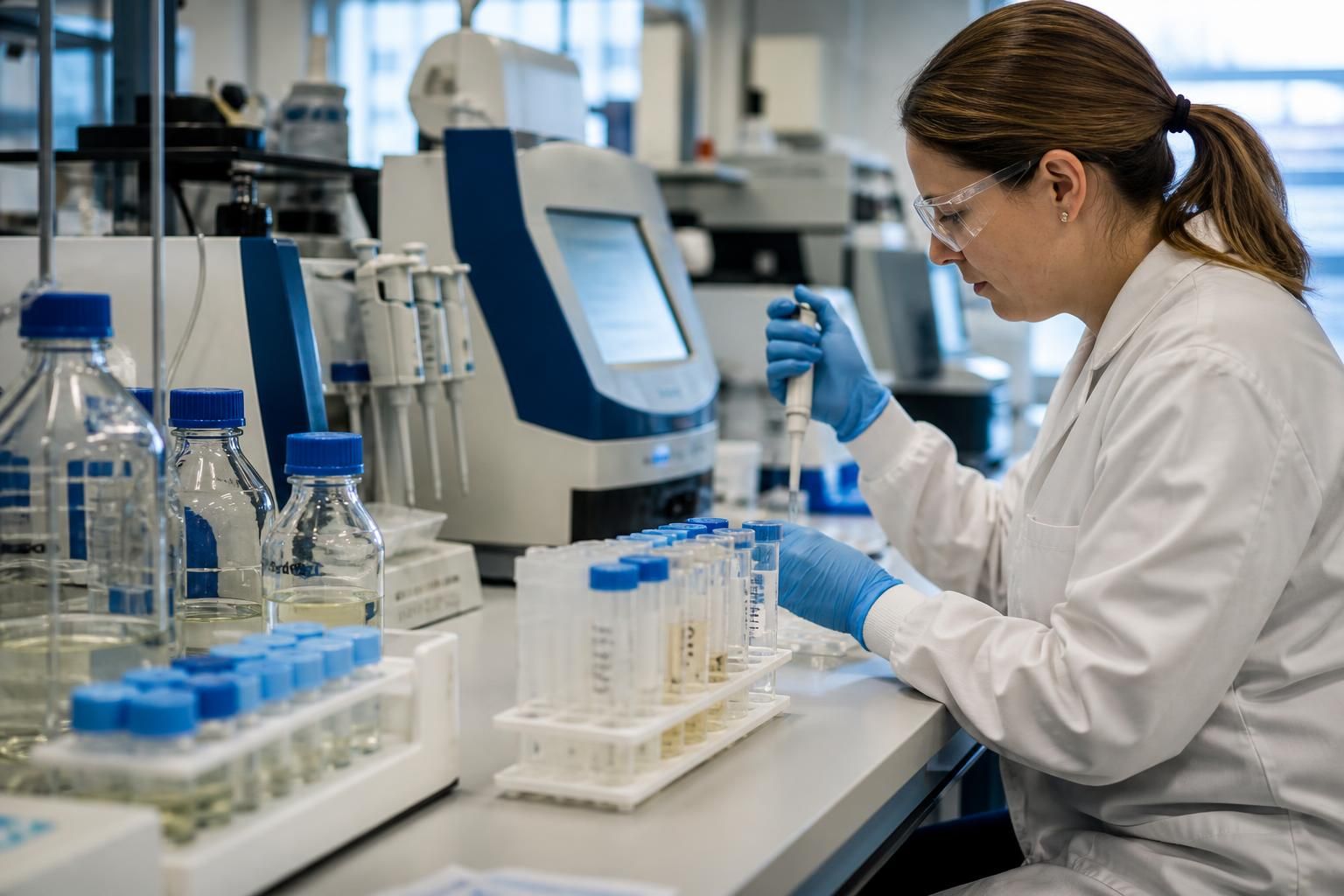
A laboratory method affects a water testing quote by changing the level of analytical work required, the equipment and controls used, the type of result produced and the way samples must be handled. Two quotes covering the same number of samples may therefore differ because one uses a basic screening method while the other includes a method intended to confirm, quantify or identify specific organisms.
The main cost differences come from the following areas:
- the analytical technique selected;
- the number and type of parameters being tested;
- the sensitivity and reporting limit required;
- sample preparation and concentration procedures;
- quality control, validation and result verification;
- special storage, transport or processing requirements; and
- the reporting and interpretation needed for the intended compliance decision.
Culture-based testing involves placing a sample into suitable growth media and allowing target organisms to develop under controlled laboratory conditions. Analysts then examine the growth and may carry out further confirmation or counting. This approach can provide information about organisms capable of growing under the test conditions, which can be important when assessing microbiological risk and determining whether follow-up action is needed.
Culture methods can require more laboratory time than rapid screening techniques because incubation, examination and confirmation take place in stages. A quote may therefore include costs for media, controlled incubation, counting, confirmation and additional handling. The final price can also depend on whether the test is reported as presence or absence, an estimated count or a quantified result.
PCR and qPCR methods detect genetic material from a target organism. They can be useful where a rapid indication is required or where the laboratory needs to detect a target that may be difficult to recover by culture. However, a genetic signal does not automatically establish that the organism is viable or capable of multiplying. The meaning of the result must therefore be considered alongside the purpose of the test, the site conditions and any other evidence available.
PCR-based analysis may involve specialist reagents, extraction of genetic material, amplification controls and interpretation of potential inhibition or contamination. These requirements can make the quote higher than a routine test, even where the result is delivered using a similar sample volume. A quotation should make clear whether PCR is being used as a standalone method, as a screening test or alongside culture.
Routine indicator testing uses methods designed to assess organisms or characteristics that indicate general water quality. Examples can include tests for coliform organisms, Escherichia coli, enterococci or other specified indicators, depending on the system and the assessment objective. These analyses are not interchangeable with legionella testing, and a quote containing several routine parameters is not necessarily equivalent to one focused on a specific pathogen.
Some tests require the sample to be concentrated or filtered before analysis. This can be relevant where the target is present at a low level or where a larger volume of water must be examined. Filtration, elution and concentration add preparation steps, consumables and opportunities for quality checks. They can therefore affect the price even when the underlying parameter appears straightforward.
Detection limits also influence cost. A method with a lower reporting limit generally requires greater sensitivity, more controlled preparation or a larger amount of analytical work. The lowest available detection limit is not automatically the most appropriate choice. The required limit should reflect the risk assessment, the type of water system, the reason for sampling and how the result will be used.
Quotes can also differ in the way results are expressed. A qualitative report may state whether a target was detected, while a quantitative report may provide a concentration or count. Quantification can require calibration, reference controls and additional checks. If a quote only says “microbiological testing”, ask whether the result will be qualitative or quantitative and what units will appear on the report.
Turnaround provisions are linked to method, but a faster option is not always a direct substitute for a standard method. A rapid technique may reduce incubation or processing time, while a conventional method may require longer observation before the laboratory can issue a complete result. The quote should identify whether any stated turnaround relates to receipt of the sample, the start of analysis or the issue of the final report. It should also explain whether confirmation or repeat analysis falls outside the basic price.
Sample handling can add to the cost where the method has strict requirements. The laboratory may specify a container type, preservative, minimum volume, storage temperature, protection from light or maximum period between collection and receipt. If a sample arrives outside those conditions, the laboratory may have to reject it, qualify the result or request a replacement sample. A reliable quote should state any handling requirements that could affect whether the analysis is valid.
Quality assurance is another part of the laboratory method. Appropriate controls can include blanks, positive or negative controls, calibration checks, duplicate analysis and review by a competent analyst. These activities may not be visible in the headline price, but they support the reliability and traceability of the result. For compliance-related testing, check that the quoted analysis is performed by a suitably competent laboratory and that the report identifies the method used and any relevant limitations.
Laboratory methods can also affect whether further work is needed. For example, an initial screening result may lead to confirmatory analysis, repeat sampling or testing by a different method. A quote should distinguish between the initial test and optional follow-up work rather than presenting them as though they are automatically included.
When comparing water testing quotes, ask for these details:
- the exact method or method reference for each parameter;
- whether the analysis is culture-based, molecular, chemical, physical or a combination;
- whether the result is qualitative or quantitative;
- the reporting or detection limit;
- any sample concentration, filtration or confirmation stage;
- the expected reporting timeframe and what it includes;
- sample container, volume, storage and transport requirements;
- how failed, unsuitable or contaminated samples are treated; and
- whether interpretation, advice or follow-up testing is included in the quoted price.
The most suitable method is the one that answers the compliance or risk question reliably, rather than simply the method with the lowest quoted cost. A clear quotation should allow the purchaser to compare like for like: the same parameters, sample numbers, analytical method, reporting limit, quality controls and reporting scope. If those details are missing, a lower headline price may reflect a narrower test rather than a more efficient laboratory process.

The water matrix being tested can affect both the laboratory method and the quoted price. A method suitable for a relatively clear supply may not transfer directly to hot-water systems, cooling water or process water, where suspended solids, disinfectants or other substances can interfere with analysis.
When requesting a quote, identify the type of water and any treatment or contamination factors known at the site. The laboratory can then confirm that its method is appropriate for that matrix and explain whether additional preparation, controls or result qualifications are required. This prevents a low-cost test from being compared with a method designed for more complex water.
Request a water testing quote based on the right laboratory method
Need to assess whether a proposed laboratory method is appropriate for your water testing requirements? Contact Blue Fish Water Management Ltd to discuss your sampling objectives and request a quote that clearly sets out the analysis and reporting included.