
Is legionella water sampling needed after water system changes?
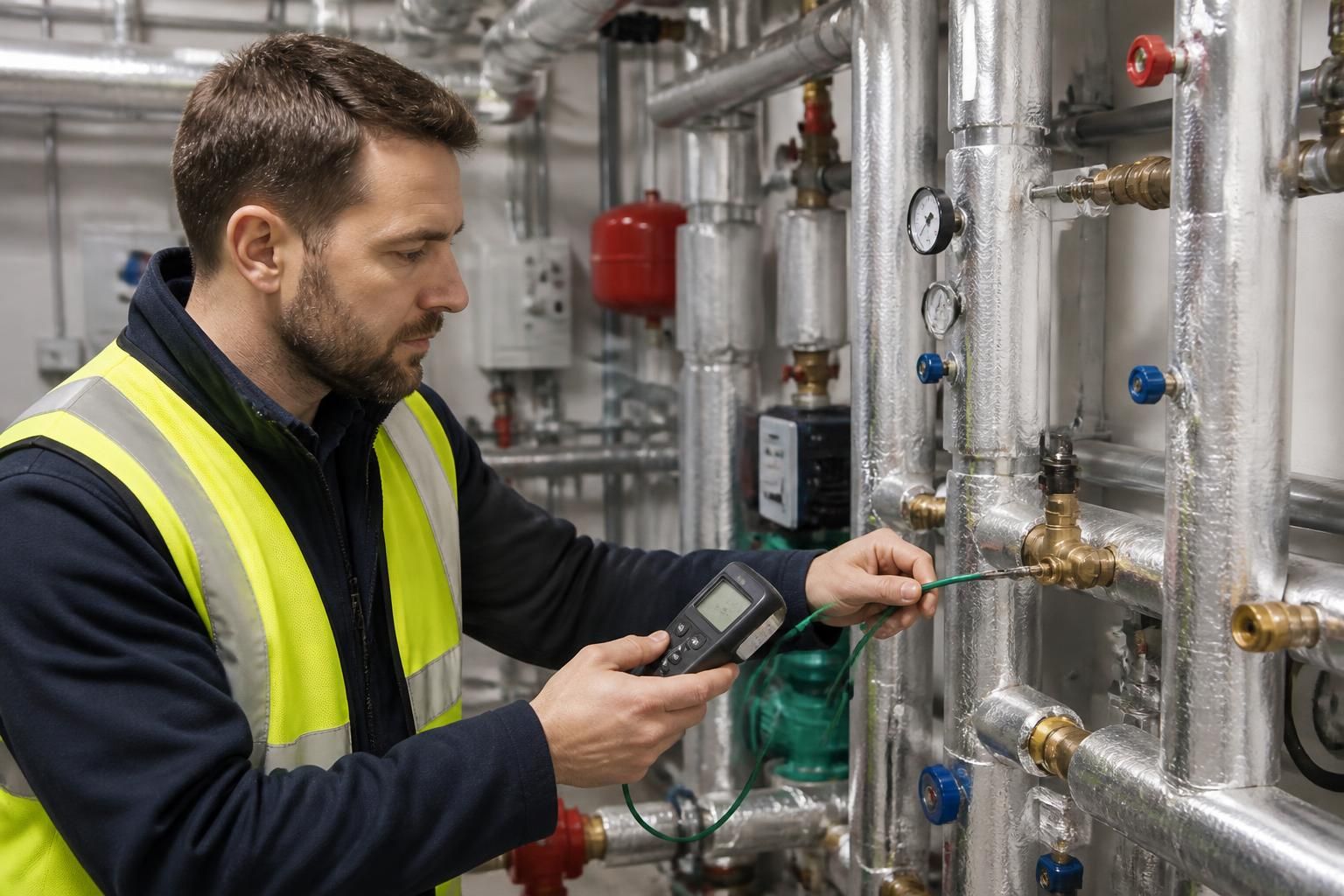
Legionella water sampling is generally appropriate after a significant water system change, but it is not an automatic requirement for every minor alteration. The decision should be based on an updated legionella risk assessment, the nature of the work and whether the change could affect conditions that allow Legionella bacteria to grow or spread.
Sampling is more likely to be required where work has altered or introduced:
- cold-water storage tanks, hot-water cylinders, calorifiers or other plant;
- pipework, secondary returns, dead legs or low-use outlets;
- temperature control, circulation, flow rates or water turnover;
- showers, taps, safety outlets or other aerosol-generating equipment;
- water treatment, dosing equipment, filtration or disinfection arrangements; or
- the building’s occupancy, operating patterns or areas of water use.
A change can create a risk even when the main plant has not been replaced. For example, an extended branch of pipework may reduce turnover, an incorrectly connected return may affect hot-water circulation, and an outlet that remains unused during building works may accumulate stagnant water. Changes to building use can also alter the risk by increasing the number of users or leaving parts of the system unused for longer periods.
The first step is to establish what was changed and compare the current system with the existing schematic, written control scheme and risk assessment. A competent person should check whether the work has affected sentinel outlets, temperature control, storage conditions, access for inspection, flushing arrangements or any population particularly vulnerable to legionellosis. The assessment should then specify whether sampling is needed, which points should be sampled and what other verification is required.
Sampling may form part of a wider post-change verification programme. Depending on the work, this can include:
- checking hot and cold-water temperatures at representative outlets and storage points;
- confirming that hot water circulates properly through the system;
- inspecting tanks, calorifiers, pipework and outlets for contamination, corrosion or stagnation;
- flushing outlets and removing temporary connections or redundant sections;
- carrying out cleaning, disinfection or other remedial work where the assessment identifies a need; and
- reviewing whether monitoring frequencies and control limits remain suitable.
Where the system has been cleaned, disinfected or substantially recommissioned, samples should be collected in accordance with the documented control plan and competent technical advice. Taking a sample immediately after work is not necessarily enough to demonstrate that the system is being controlled under normal operating conditions. The sampling approach should account for how the system has been returned to service, whether outlets have been used or flushed, and which locations best represent the risk.
Results should be interpreted alongside the system inspection and control data rather than in isolation. A negative result does not remove the need for effective temperature control, regular flushing, cleaning and monitoring. Conversely, a positive result should prompt a review of the risk assessment and control measures, with further investigation or remedial action determined by the result, sampling location, system condition and vulnerability of users. Follow-up samples may be needed to verify that corrective action has been effective.
Businesses should retain a clear record of the change, commissioning or disinfection work, updated system drawings, temperature checks, sample locations, laboratory reports, decisions made and any follow-up actions. This evidence helps demonstrate that the change was assessed and that legionella controls were reviewed in line with the principles set out in the Health and Safety Executive’s relevant guidance, including the Approved Code of Practice L8 and HSG274.
Blue Fish Water Management can support businesses with post-change risk reviews, water sampling, compliance audits, system monitoring and remedial advice. Its UKAS-accredited water testing service can be incorporated into a documented programme suited to the altered system and the risks identified.
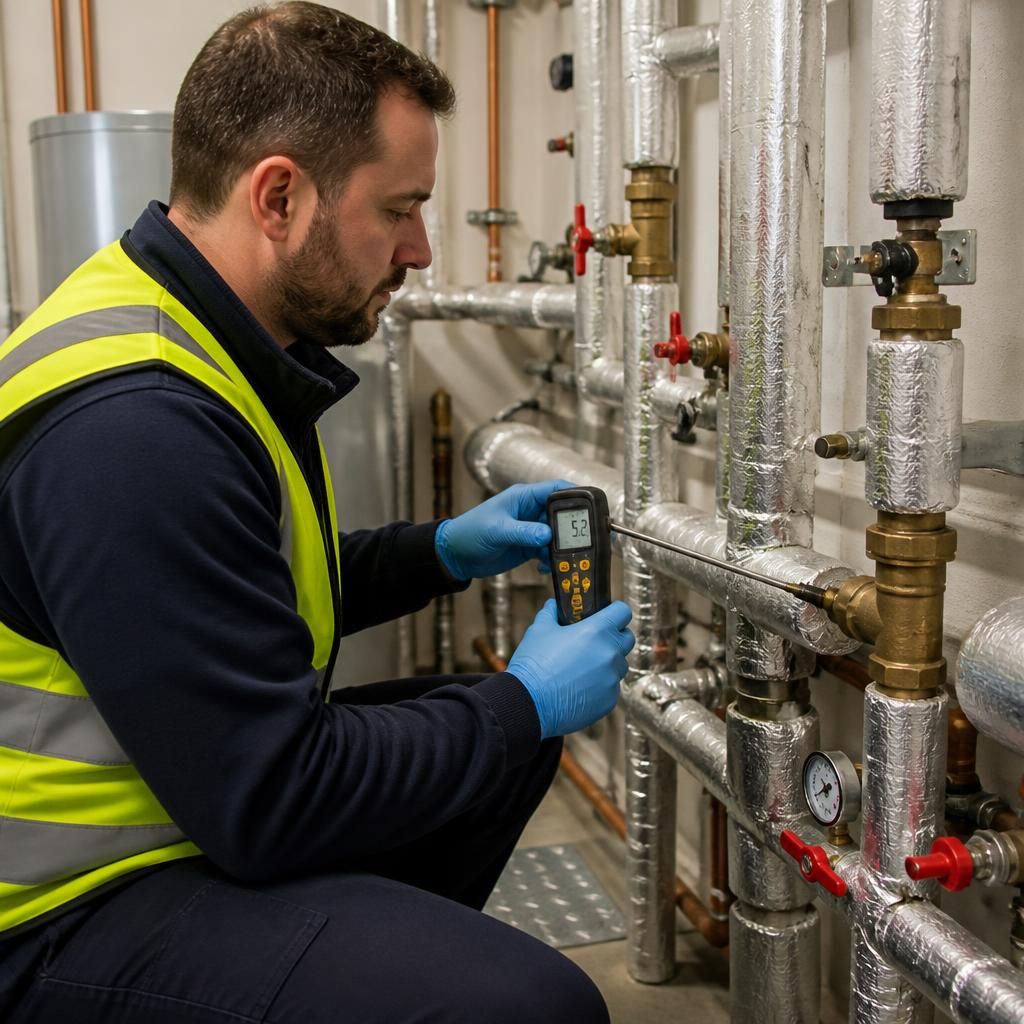
A sample from one convenient outlet cannot establish that an altered water system is controlled throughout. The sampling plan should reflect the part of the system that was changed, rather than relying solely on established sentinel points.
Where work affects a branch, outlet or circulation route, the assessment may justify sampling at the modified location as well as at suitable upstream or downstream points. This helps identify whether the change has created a localised problem, such as poor turnover or inadequate circulation, that would not be evident from a sample elsewhere.
The reason for selecting each sample point should be recorded, along with the condition of the outlet and any flushing or commissioning carried out beforehand. This makes the result easier to assess and shows how the testing relates to the specific system change.
Discuss your post-change legionella sampling requirements
Speak to Blue Fish Water Management about your post-change legionella sampling requirements and the evidence needed to support compliance. The team can help determine the appropriate verification approach for your altered water system.