
Which water safety checks suit landlords’ properties versus dental practices?
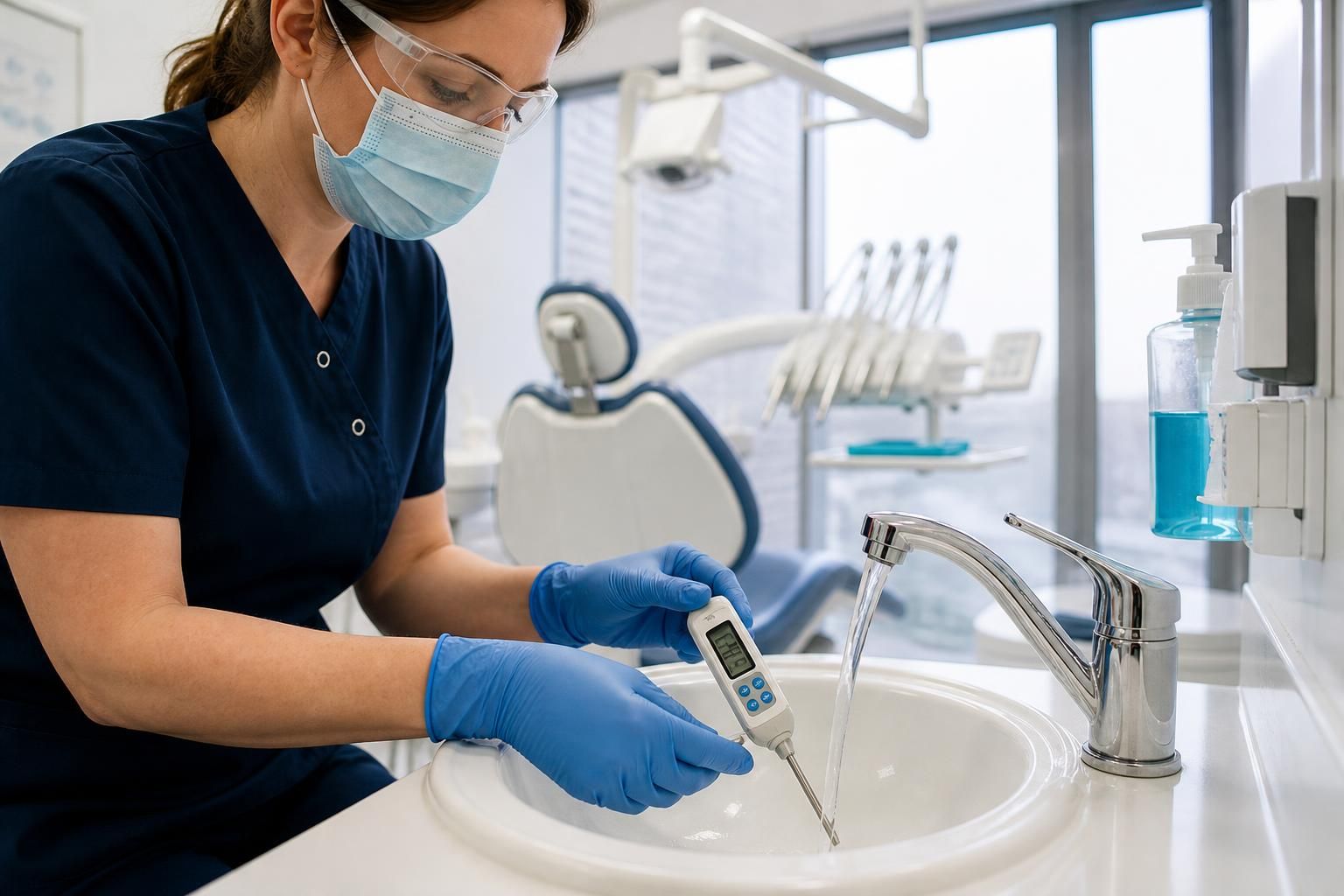
The suitable checks depend on how water is stored, distributed and used. A landlord’s programme usually centres on the domestic hot- and cold-water system serving tenants, whereas a dental practice needs additional checks for treatment areas, dental unit waterlines and infection-control procedures. The starting point for both is a documented legionella risk assessment that identifies the relevant systems, users, control measures and monitoring requirements.
Checks commonly relevant to landlords’ properties
For a rented house or self-contained flat, the assessment should examine the incoming supply, hot-water cylinder or other water-heating arrangement, cold-water storage, outlets, pipework and any sections that are rarely used. It should also consider how the property is occupied. Periods of vacancy, changes between tenants, low water use and unused bedrooms can allow water to stagnate.
- System information: record the type and location of water heaters, storage vessels, tanks, thermostatic mixing valves, outlets and infrequently used pipework.
- Temperature checks: confirm that hot and cold water are being maintained within appropriate control parameters, taking account of the system design and the risk of scalding.
- Stagnation checks: identify little-used taps, showers, stored water and redundant branches that may require removal, regular use, flushing or other control measures.
- Condition checks: look for damaged insulation, faulty valves, leaking components, scale, corrosion or other defects that could affect water quality or temperature control.
- Occupancy and handover controls: define what should happen when a property is empty, reoccupied or altered, and make sure tenants receive suitable information about using outlets that are not used frequently.
- Records: retain the assessment, monitoring results, maintenance information, remedial actions and evidence that identified actions have been completed.
Routine legionella sampling is not automatically necessary for every domestic rental property. It may become more appropriate where the assessment identifies higher risk, such as shared systems, stored water, complex distribution, persistent temperature problems, long vacancies or occupants who may be particularly susceptible to infection. Where sampling is selected, the laboratory method, sampling points and interpretation should be appropriate to the risk rather than chosen as a standalone exercise.
Checks commonly relevant to dental practices
A dental practice has the building’s general water system as well as water used at or near clinical treatment. The assessment should therefore separate ordinary outlets from dental equipment and consider how each is supplied, used, maintained and disinfected. A practice can have acceptable temperatures at a washbasin while still having a separate issue within a dental unit waterline.
- Building water system: assess incoming mains water, storage tanks, hot-water systems, outlets, showers, sinks, pipework, deadlegs and any staff or patient facilities.
- Dental unit waterlines: review the design, internal condition, use, flushing, cleaning and disinfection arrangements for each relevant unit.
- Clinical water use: identify where water or aerosols may contact the patient, enter the oral cavity or be generated during treatment, then confirm that the control procedure matches that use.
- Maintenance and dosing records: check manufacturer instructions, cleaning schedules, disinfectant use, filter or component changes and evidence that procedures are followed consistently.
- Microbiological testing: select sampling and organisms according to the practice’s risk assessment and infection-control requirements. Testing may need to distinguish the building supply from water collected at dental equipment.
- Staff procedures: verify that personnel understand flushing, cleaning, disinfection, equipment isolation and escalation requirements, including what to do after a prolonged closure or an abnormal result.
Dental practices may also contain equipment such as sterilisation systems, treatment sinks and other specialist water-using devices. These should be considered separately because their operating requirements, maintenance instructions and water-quality expectations may differ from those of a normal outlet. A general building sample cannot, by itself, demonstrate that every clinical water system is controlled.
How testing differs between the two settings
For landlords, testing is generally used to investigate or verify a risk identified in the domestic system. The sample plan may focus on representative hot- and cold-water outlets, storage vessels or areas affected by stagnation and temperature irregularities. Results should be assessed alongside system conditions and recent events, such as a vacancy, plumbing alteration or failure of a control measure.
For dental practices, samples may need to be taken from both the premises’ general water system and selected dental units. Sampling points should reflect the way water is used clinically, not simply the easiest taps to access. A result from a dental unit waterline may require a different response from a result taken from a staff kitchenette, and the action should be determined with reference to the practice’s risk assessment and infection-control arrangements.
UKAS-accredited water testing can provide laboratory analysis where testing is required. However, accreditation does not remove the need for suitable sampling points, correct sample handling, clear chain-of-custody records and competent interpretation. A laboratory result is evidence for a decision; it is not a substitute for investigating the system that produced it.
Checks that apply to both property types
Both landlords and dental practices should be able to show who is responsible for water safety, what systems have been assessed, which controls are in place and how failures are managed. A useful record normally links the initial assessment to monitoring sheets, test reports, maintenance records and completed corrective actions. It should also be reviewed when the property is altered, equipment is replaced, occupancy or use changes, or monitoring identifies an emerging problem.
Remedial work may include removing redundant pipework, repairing insulation, correcting temperature or flow problems, improving flushing arrangements, cleaning or disinfecting a system, replacing defective components or reviewing a dental unit’s operating procedure. The appropriate action depends on the underlying cause. Repeated sampling without correcting stagnation, poor design or ineffective maintenance is unlikely to provide adequate control.
In practical terms, a landlord should ask whether the domestic system remains controlled through tenancy changes and periods of low use. A dental practice should ask the same question of its premises while also checking whether each clinical water device is covered by a specific procedure. That distinction helps prevent a generic property inspection from overlooking the water systems most relevant to patient care.
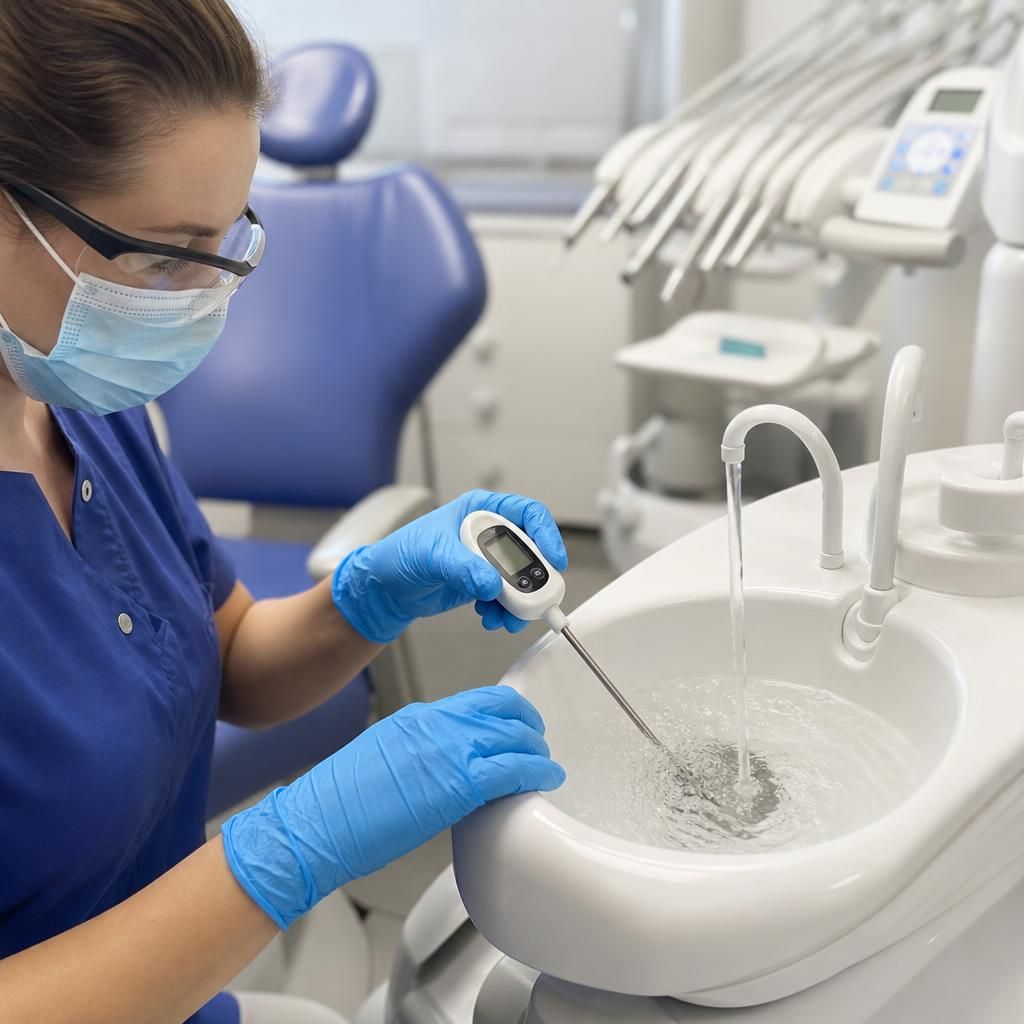
The most useful water safety check is one that matches the person controlling the risk. For a landlord, the records should make clear who arranges inspections, communicates with tenants and acts when a defect or change in occupancy is identified. For a dental practice, responsibility should also extend to the staff managing treatment equipment, cleaning procedures and infection-control records.
This distinction matters because a satisfactory building inspection does not confirm that clinical water procedures are being followed, while a dental unit check does not demonstrate that the wider rented or occupied premises are properly managed. Each property should therefore have a clearly defined scope of checks, named responsibilities and records showing how findings are reviewed and acted upon.
Plan the right water safety checks for your property
Review your property’s water systems and current records to identify which checks require clarification or updating. Blue Fish Water Management Ltd can help you determine whether a landlord or dental practice water safety assessment is the appropriate next step.