
What factors determine the right water safety option for each property?
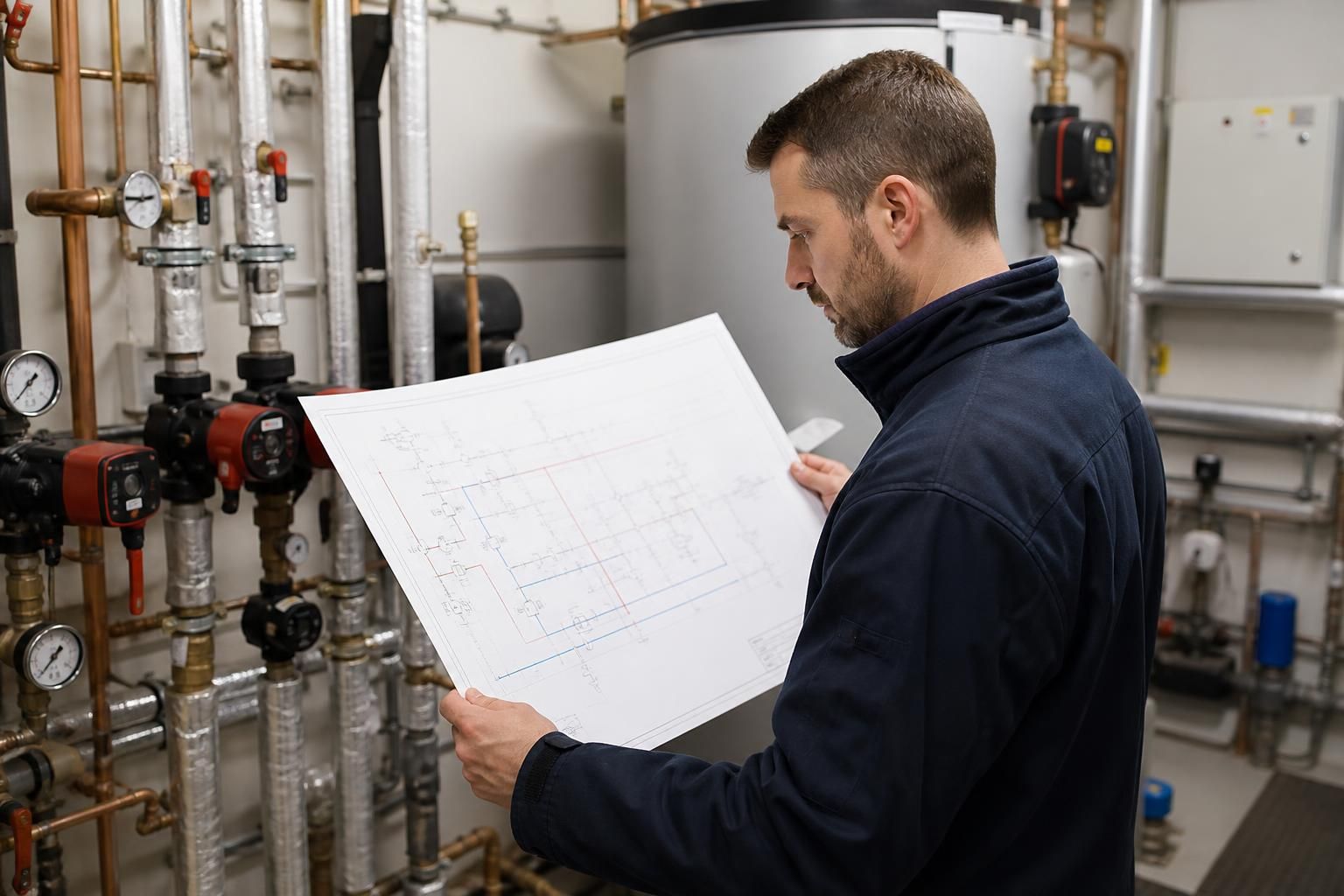
The appropriate water safety option is the one that addresses the property’s actual exposure to legionella and produces evidence that control measures are suitable and maintained. In practice, the decision should be based on how the water system operates, how it is managed, how often areas are used, the quality of available records and whether any conditions could allow stagnation or bacterial growth.
Start with the water system itself. A simple hot and cold water arrangement with regular use may require a different level of control from a larger or more complicated installation. The assessment should consider stored hot water, tanks, calorifiers, distribution pipework, outlets, showers, thermostatic mixing valves, dead legs, little-used branches and any equipment that produces water droplets. Features that increase system complexity generally require more detailed documentation, monitoring and verification.
The condition and design of the system also matter. Poor insulation, inappropriate temperature settings, insufficient circulation, redundant pipework, scale, corrosion or areas that are difficult to drain can affect the control approach. Where the system has design limitations, testing alone will not resolve the underlying issue. The appropriate response may include technical investigation, planned maintenance or remedial work alongside continued monitoring.
Consider how the premises are used. A property occupied continuously has a different pattern of water demand from one that is intermittently occupied, partly vacant or used only on particular days. Changes in occupancy can leave outlets unused and may require flushing arrangements, recorded checks or a review of the control scheme. Landlords should take account of void periods, tenant changes and access to individual dwellings. Dental practices should consider treatment rooms, staff facilities, patient toilets and any areas that are used less frequently than the main clinical space.
The presence of showers, spray taps, dental equipment or other aerosol-generating outlets can influence the importance of outlet management and maintenance. Water used in clinical or patient-facing areas may also require clearer responsibilities between the practice, landlord, managing agent and contractors. The chosen option should identify who carries out each task, who records it and who reviews the results.
Match the control to the evidence required. A legionella risk assessment establishes the hazards, responsible persons and necessary controls. It is the starting point where arrangements are absent, outdated or not clearly proportionate to the property. Water testing can provide useful evidence when there is a defined reason to sample, such as validating controls, investigating concerns or checking a higher-risk part of the system. Sampling should be planned and interpreted in relation to the system rather than treated as a standalone pass-or-fail exercise.
Routine monitoring may be appropriate where regular records are needed to demonstrate that key conditions remain within the intended control range. This can include temperature checks, inspection of storage and distribution components, outlet-use records and confirmation that cleaning or maintenance has taken place. A compliance audit is particularly useful where records exist but their completeness, ownership or consistency is uncertain.
Review the quality of existing information. The right service may be determined as much by missing evidence as by the physical installation. Useful records can include schematic drawings, asset registers, temperature logs, flushing records, cleaning certificates, previous sample results, maintenance reports and details of alterations. If these are incomplete or contradictory, a more fundamental review may be needed before a monitoring programme can be designed reliably.
Previous results should be considered in context. A single laboratory result does not explain why a result occurred or whether the condition is present throughout the system. The significance of a finding depends on sampling locations, system operation, recent maintenance, control records and any changes since earlier samples were taken. UKAS-accredited water testing can support decision-making, but the laboratory result still needs competent interpretation and appropriate follow-up.
Take account of management capability. A technically suitable control scheme must also be practical for the person or organisation responsible for carrying it out. The decision should consider whether staff understand their duties, whether they can access relevant plant and outlets, whether readings are recorded consistently and whether someone has authority to arrange corrective action. Training may be appropriate where the system is manageable in-house but staff need clearer knowledge of legionella controls, record keeping or escalation procedures.
For rented properties and dental practices, responsibilities may be shared. A landlord, managing agent, tenant, practice manager, facilities provider or specialist contractor may each control part of the system. A suitable option should therefore define interfaces rather than assuming that one party controls every component. Written arrangements should cover access, reporting, maintenance, sampling, remedial action and review.
Use remedial work where the risk cannot be controlled by monitoring alone. Remedial action may be indicated by persistent temperature problems, defective components, redundant pipework, contamination, inaccessible assets or a system that cannot be managed as designed. Possible actions depend on the finding and may include cleaning and disinfection, component replacement, pipework alterations, improved insulation, removal of dead legs or changes to operational procedures. The work should be based on an identified cause and followed by verification that the intended control has been restored.
A proportionate decision can be made by asking:
- What parts of the system can create or distribute an aerosol?
- Are hot and cold water controls operating as intended?
- Which outlets, rooms or branches are used infrequently?
- Who has responsibility for each control and can they demonstrate that it has been completed?
- What records exist, and are they current enough to support a reliable decision?
- Is sampling needed to answer a defined question, or is a system review required first?
- Is there evidence of a defect or recurring problem that requires remedial work?
The outcome may be a single risk assessment, a combination of assessment and targeted testing, a documented monitoring programme, a compliance audit or a staged programme that includes remedial work and follow-up checks. The option should be reviewed when the building, water system, occupancy, management arrangements or use of clinical areas changes. This keeps the water safety plan aligned with the property rather than applying the same package to every site.
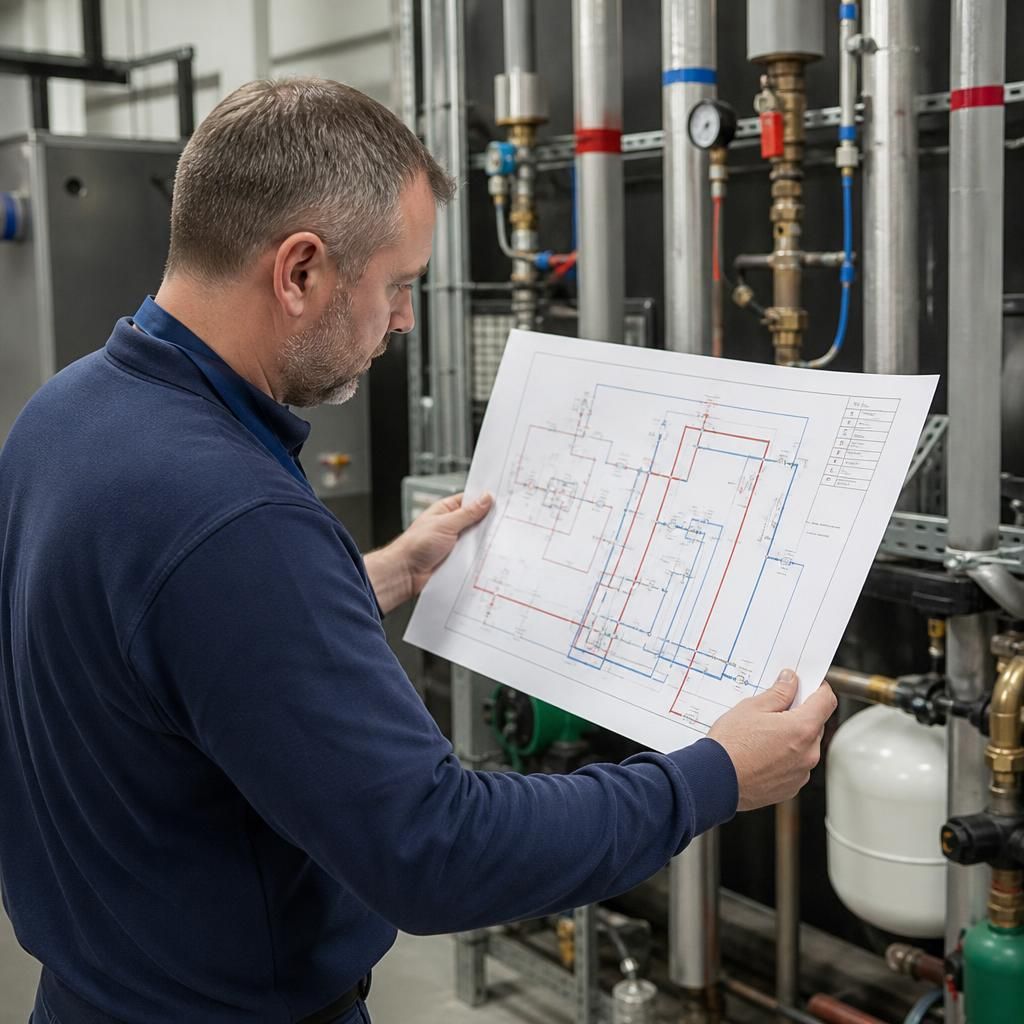
The right water safety option should be selected for each distinct water system, not simply for the property as a whole. A building may contain separate systems serving different floors, extensions, treatment rooms, communal areas or residential units, with different temperatures, usage patterns and levels of control.
Where systems operate independently, each should be considered within the appropriate scope of the assessment or monitoring arrangement. Combining them into one generalised review can conceal differences between well-used outlets and poorly used branches, or between areas managed by different parties. Defining the system boundaries first helps ensure that the chosen option produces relevant evidence and assigns actions to the person responsible for that part of the installation.
Discuss the right water safety option for your property
If you are unsure which water safety option fits your property, discuss the building’s requirements with Blue Fish Water Management Ltd. A specialist review can help identify the most appropriate next step for your water system and management arrangements.