
Should landlords and dental practices choose routine testing or risk-based monitoring?
Landlords and dental practices should use a risk-based monitoring plan, with routine legionella testing included where the risk assessment shows it is necessary. The appropriate frequency and scope depend on factors such as system design, water use, vulnerable occupants or patients, temperature control and previous findings.
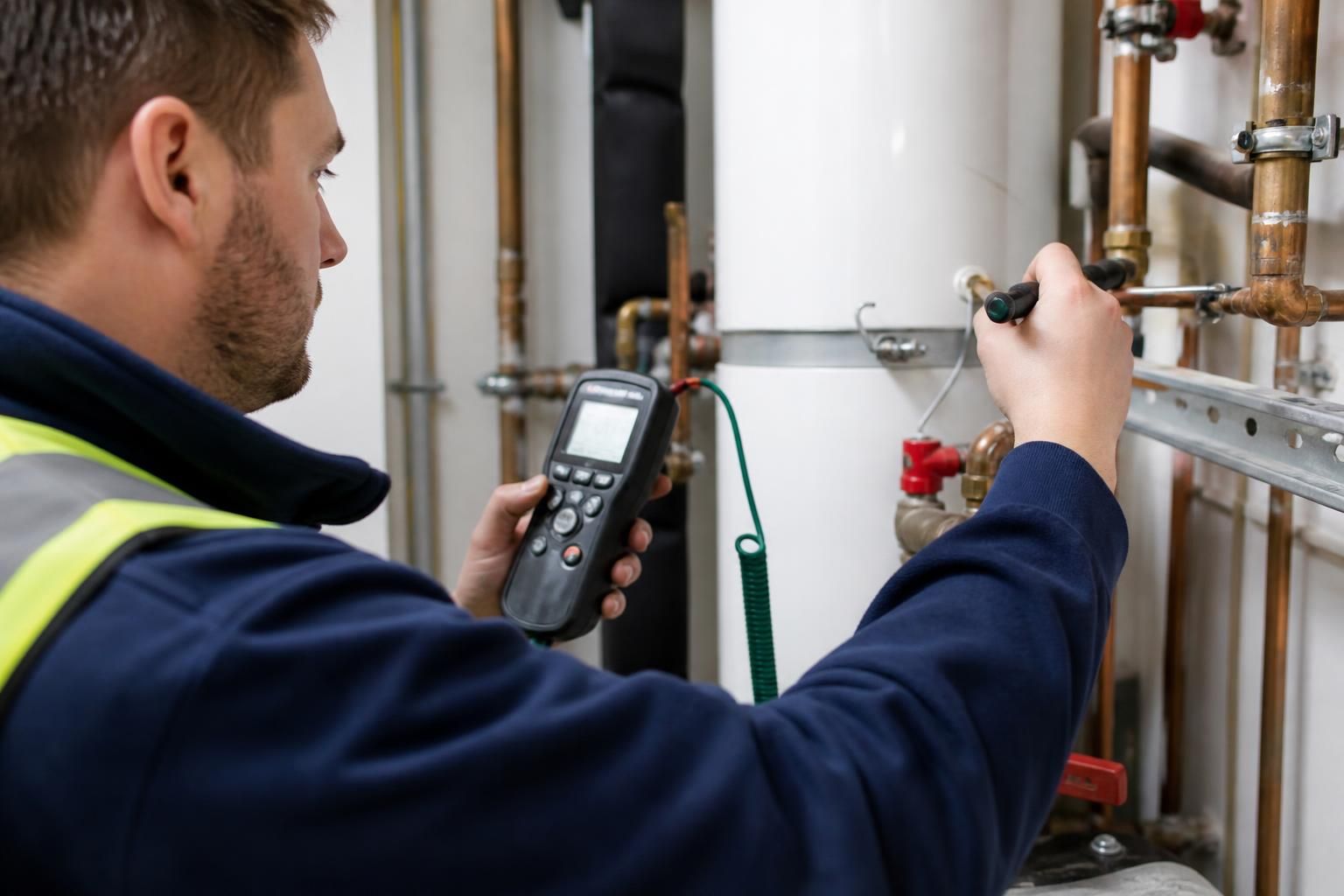
Routine legionella testing and risk-based monitoring are not competing choices. Routine testing is a scheduled programme of water sampling, whereas risk-based monitoring is the wider process of checking whether controls are working and deciding when sampling is justified. For most landlords and dental practices, the defensible approach is to monitor the system according to its assessed risks and use microbiological testing as one part of that programme.
Routine testing alone does not demonstrate effective control. A negative sample is a result from one point in time. It cannot compensate for poor temperature management, infrequently used outlets, inadequate maintenance or an incomplete understanding of the water system. Conversely, a positive result does not by itself explain the source or severity of the problem. Results need to be interpreted alongside system information, monitoring records and the findings of the risk assessment.
Risk-based monitoring is broader than sampling. It may include checks that hot water is being stored and distributed at suitable temperatures, confirmation that cold water is not being unnecessarily warmed, inspection of tanks and outlets, review of little-used parts of the system, flushing arrangements, cleaning records and evidence that identified defects have been addressed. The exact checks should reflect the system’s design and the people who may be exposed to aerosols.
This approach also prevents a common mistake: applying a fixed testing interval to every property. A simple domestic arrangement with good control may need a different programme from a building with stored water, multiple outlets, shared services or areas that are not regularly occupied. The frequency of checks should be set out in the written control scheme and reviewed when the building, occupants, equipment or use changes.
For landlords, the first issue is the extent of control over the water system. A landlord may be responsible for an entire building, shared hot and cold water services, communal outlets or plant serving several dwellings. In other arrangements, responsibilities may be divided between the landlord, managing agent, maintenance contractor and tenant. Those boundaries should be recorded rather than assumed. A testing schedule that does not cover communal plant, dead legs or seldom-used outlets can leave an important part of the system outside the control process.
Landlords should therefore consider routine sampling where the assessment identifies a credible exposure risk, where the system is difficult to control consistently, or where previous investigations have produced concerning results. Where sampling is not required, the reason should still be clear in the risk assessment and supported by suitable operational checks. A routine sample taken simply because a calendar date has arrived is less useful than a targeted sample linked to a known risk or a change in conditions.
For dental practices, the assessment should account for both the premises and the clinical environment. Staff, patients, contractors and other visitors may use different parts of the building, while dental treatment areas can contain several water-fed devices and outlets. The practice should establish which systems fall within the legionella control programme, how water is supplied, who maintains shared building services and whether any clinical equipment has separate manufacturer or healthcare requirements.
Dental unit waterlines should not automatically be treated as interchangeable with the building’s hot and cold water system. They may require their own maintenance, disinfection and quality controls, depending on the equipment and applicable guidance. Legionella sampling from a building outlet will not, on its own, verify every aspect of dental equipment hygiene. The monitoring plan should define these boundaries and allocate responsibility for each relevant system.
Routine testing is more likely to be appropriate when:
- the risk assessment identifies conditions that make bacterial growth or exposure more plausible;
- there is a history of unsatisfactory results, control failures or remedial work;
- the water system is extensive, complicated or poorly documented;
- the premises include people who may be particularly susceptible to infection;
- the building has changed use, undergone refurbishment or had prolonged periods of low occupancy; or
- the responsible person needs evidence to verify that newly introduced controls are working.
These circumstances do not automatically prescribe a particular sampling interval. They indicate that the assessment should consider sampling and explain its scope, locations and frequency. Samples should be taken by a competent provider using appropriate methods, with the sampling points selected to answer a defined question rather than chosen at random.
Risk-based monitoring may be suitable without frequent routine sampling where:
- the system is well understood and straightforward to control;
- control measures are being checked consistently and records support their effectiveness;
- there is no relevant history indicating a need for increased surveillance; and
- the assessment identifies no additional reason for regular microbiological verification.
Even in that situation, monitoring should not be passive. Missed temperature checks, repeated flushing failures, loss of hot water control, unexplained changes in use or alterations to plant should trigger a review. The response may include further inspection, temporary precautions, targeted sampling or remedial work, depending on the findings.
Results should lead to a documented decision. A report should record the sample locations, date, system conditions, laboratory findings and any limitations affecting interpretation. Where a result is unsatisfactory, the responsible person should investigate possible causes, consider whether other outlets may be affected, take proportionate corrective action and decide whether follow-up sampling is needed. Simply repeating the same sample without addressing the underlying condition provides limited assurance.
The most suitable option can therefore be summarised as follows: use the risk assessment to establish the control programme; use routine operational checks to verify day-to-day performance; and use legionella testing where the assessment, system history or a change in circumstances makes it a meaningful control or verification measure. Landlords and dental practices should be able to explain not only which tests are carried out, but also why those tests, locations and intervals have been selected.
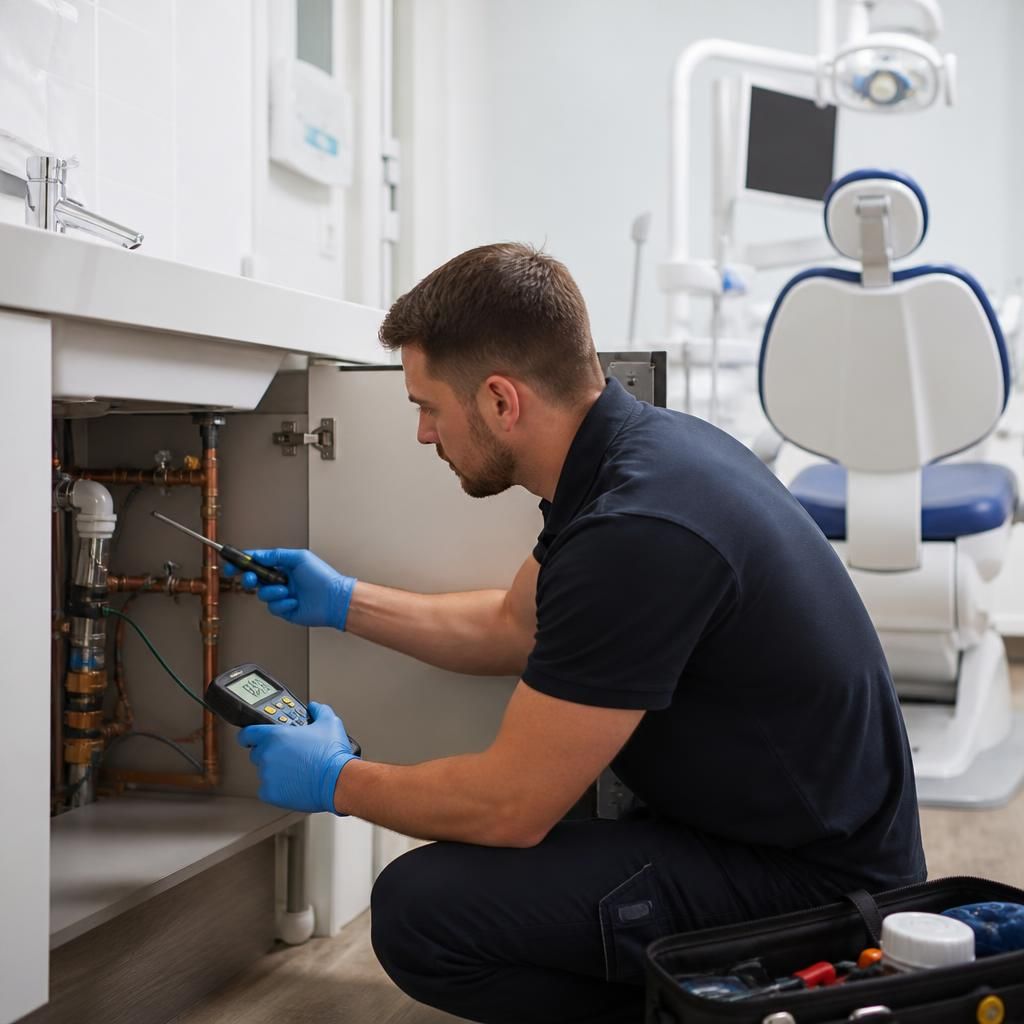
The choice between routine testing and risk-based monitoring can be made by system zone rather than for the whole property. A landlord’s communal hot water service, a seldom-used outlet and a dental practice’s clinical water system may present different control questions, even when they are located in the same building.
This means one written plan may reasonably contain different measures for different areas. For example, well-controlled domestic outlets may be managed through documented operational checks, while a shared plant room or higher-concern clinical area may require targeted sampling to verify that controls remain effective. The important point is that each measure has a defined purpose, responsible person and review trigger.
For landlords and dental practices, this zoned approach avoids both under-testing and unnecessary sampling. It also makes the monitoring record easier to interpret because a result can be linked to the specific part of the system, its users and the control measure it was intended to assess.
Get advice on the right legionella monitoring approach
Speak to Blue Fish Water Management Ltd about reviewing your property’s legionella control arrangements and identifying a monitoring approach suited to the systems and responsibilities involved.