
When should a dental practice arrange Legionella testing?
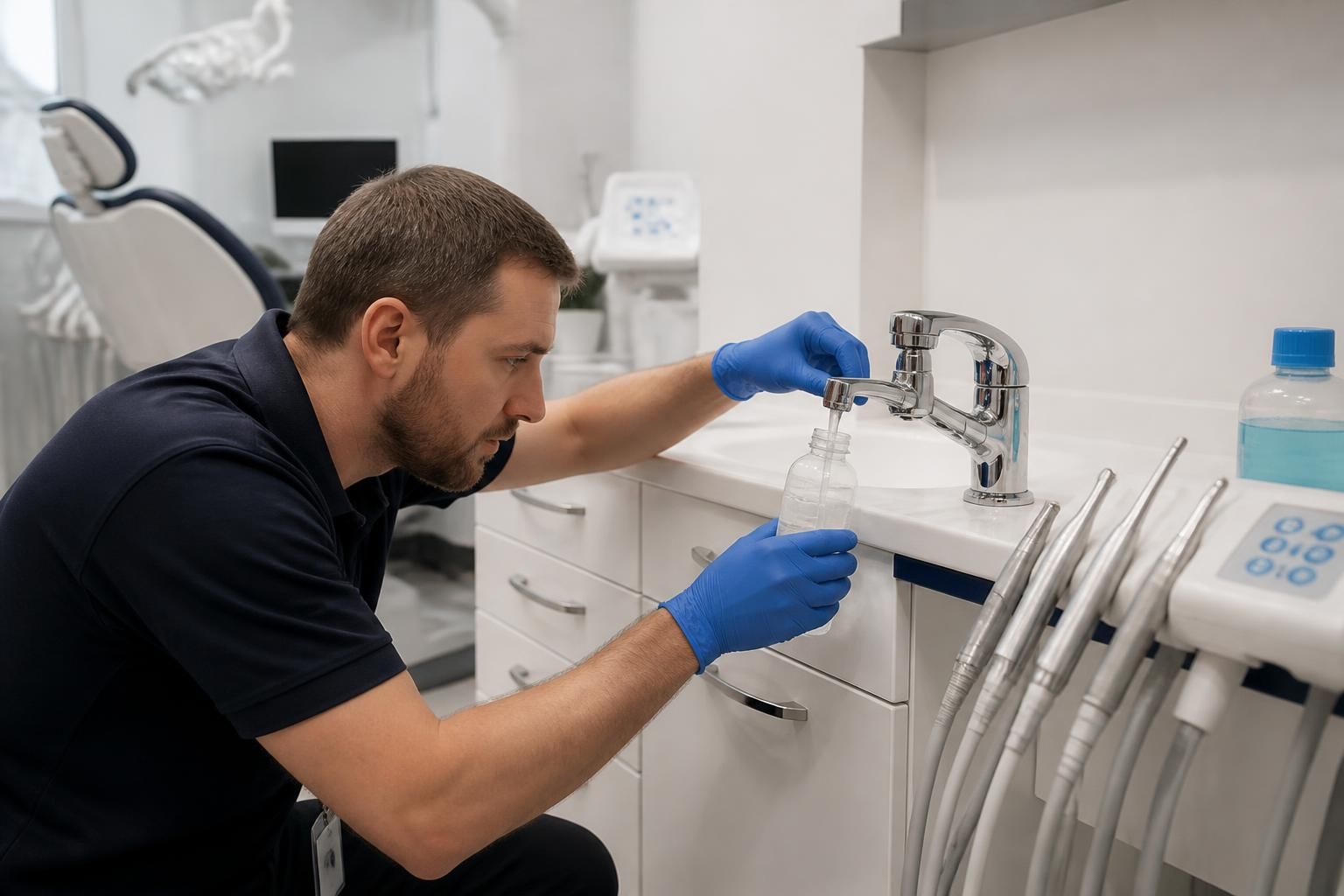
A dental practice should arrange Legionella testing at the points defined by its water safety risk assessment and written control arrangements. Testing is most useful when it answers a specific question about control, such as whether the system is operating within the required parameters, whether a suspected problem needs investigating, or whether corrective work has been effective.
Testing should be considered during the following stages of a practice’s water safety management:
- Before a new or substantially altered system is brought into normal use. Commissioning checks can help confirm that storage, distribution, temperature control and outlet arrangements have been properly addressed. This is particularly relevant where refurbishment introduces new pipework, equipment or areas that may have low water use.
- When the practice’s risk profile changes. A change in occupancy, patient vulnerability, room use, operating procedures or water demand may alter the likelihood of stagnation or exposure. The risk assessment should determine whether sampling is needed rather than relying on a standard testing interval.
- Where control records raise questions. Unusual temperatures, incomplete monitoring records, recurring issues with outlets or evidence of poor flushing can justify investigation. A test can provide supporting evidence, but it should be considered alongside temperature measurements, inspection findings and maintenance records.
- Following a period in which parts of the system have had little or no use. Unused rooms, spare surgeries, seasonal closures and isolated outlets can allow water to stagnate. Before those areas return to normal use, the practice should follow its written recommissioning procedure and arrange sampling if the assessment identifies a need.
- When there is a suspected case or credible concern about exposure. Testing should be coordinated with the responsible person and appropriate professional advice. Samples should be taken from relevant parts of the system using a documented plan, rather than selecting convenient outlets at random.
The scope of testing should reflect the dental practice’s actual water systems. This may include hot and cold water services, storage vessels, infrequently used outlets, thermostatic mixing points and other components that could create conditions favourable to Legionella. Dental unit waterlines may require separate consideration because their design, maintenance and sampling requirements are not necessarily the same as those for the building’s general water services.
Timing also matters operationally. Sampling should be planned so that the findings can be assessed against the practice’s control records and any necessary action can be taken. A single negative result does not remove the need for temperature control, flushing, cleaning, maintenance and inspection. Conversely, a positive result should be investigated in context; it does not by itself explain the source or extent of the problem.
The practice’s responsible person should keep a clear record of why testing was commissioned, which outlets were sampled, the sample conditions, laboratory findings and any action that followed. A competent provider can help design a representative sampling plan and use a UKAS-accredited laboratory where appropriate. The resulting evidence can then be incorporated into the risk assessment and water safety records.
In practical terms, the right time to test is when the assessment, monitoring evidence or a change in circumstances creates a defined need for information. A fixed calendar date may be appropriate for some practices, but it should be justified by the system’s risks and reviewed when those risks change.
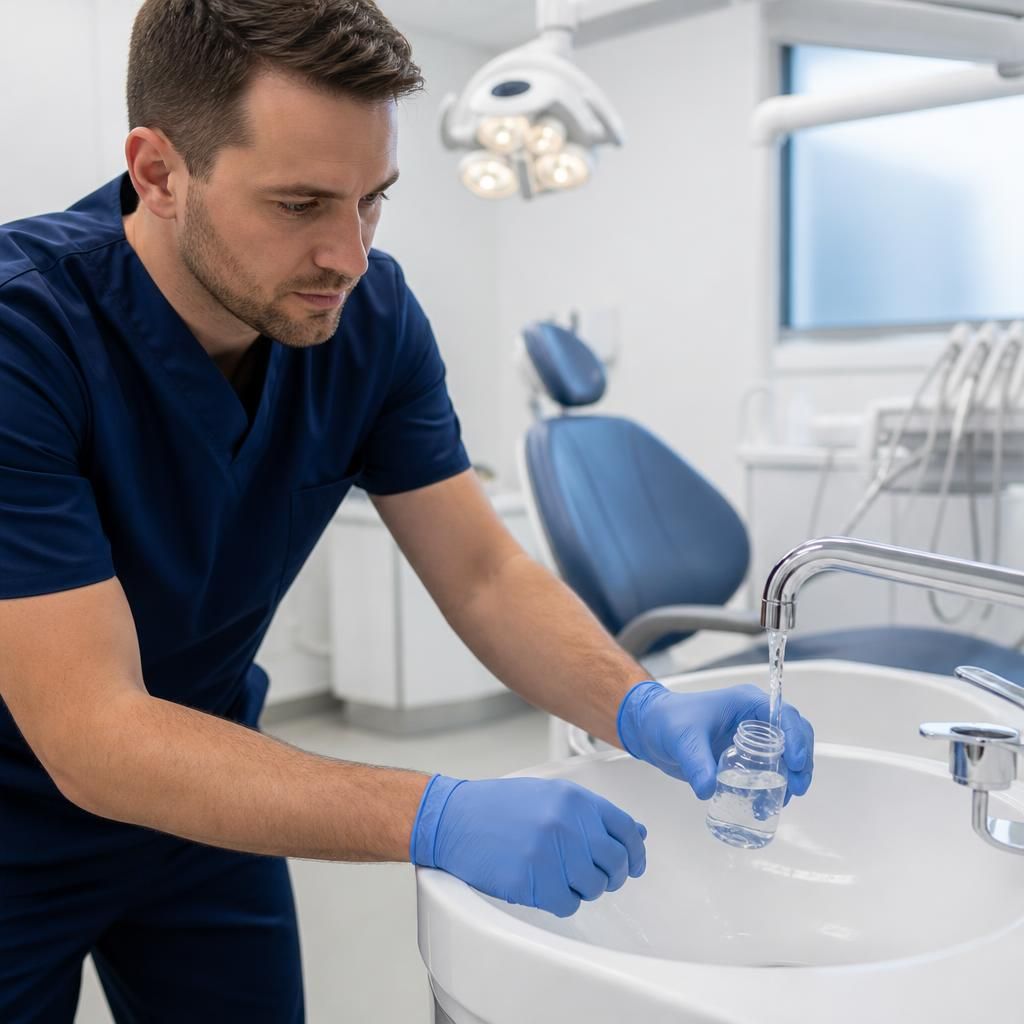
Legionella testing should be arranged for conditions that represent the question the practice needs to answer. If the purpose is to assess routine control, sampling should reflect normal operation rather than an unusual period of flushing, closure or restricted use. The person arranging the work should tell the provider about recent disinfection, maintenance, alterations and changes in outlet use, as these details affect how the results should be assessed.
Where testing follows remedial work, the sampling plan should distinguish between confirming that the work was completed and checking whether control has been maintained in normal operation. Keeping these purposes separate makes the findings more useful and avoids treating one sample as evidence that every part of the system is controlled. The practice should also ensure that the relevant areas are accessible and that outlet identification, sample conditions and associated records are captured at the time of collection.
Discuss your dental practice’s Legionella testing needs
Discuss your dental practice’s Legionella testing needs with Blue Fish Water Management Ltd to identify an appropriate sampling approach based on your water system, records and current risk assessment.