
How do landlord and dental practice water safety responsibilities differ?
The main difference is the source of each party’s legal and practical responsibility. A landlord’s duty is generally connected to the water systems provided for residents and the extent of the landlord’s control over the property. A dental practice’s duty is connected to the risks created by its business activities, including clinical water equipment, staff exposure and patient care. The party with control of a water system cannot normally transfer all responsibility simply by appointing a contractor or relying on another organisation.
For landlords, the assessment should cover the water systems serving the rented property or properties. This includes storage tanks, hot and cold-water outlets, showers, little-used outlets, secondary accommodation and any communal or shared systems within the landlord’s control. The assessment should consider factors such as water temperature, stagnation, infrequently used outlets, dead legs, scale, corrosion, tenant turnover and access for inspection and maintenance.
A landlord’s responsibilities can vary according to the type of property and the management arrangements. A single domestic dwelling with a straightforward mains-fed system may present different hazards from a block of flats with communal plant, stored hot water or a complex distribution network. Where a managing agent, facilities provider or maintenance contractor is involved, the landlord should establish who is responsible for each control measure, how information is exchanged and who checks that agreed actions have been completed.
The landlord should provide suitable information to those who use or manage the property. This may include instructions for reporting defects, arrangements for maintaining temperature and flushing seldom-used outlets, details of access requirements and records of inspections or remedial work. Tenants may have day-to-day control over outlets inside their accommodation, but that does not automatically remove the landlord’s responsibilities for the system’s design, communal equipment or planned maintenance.
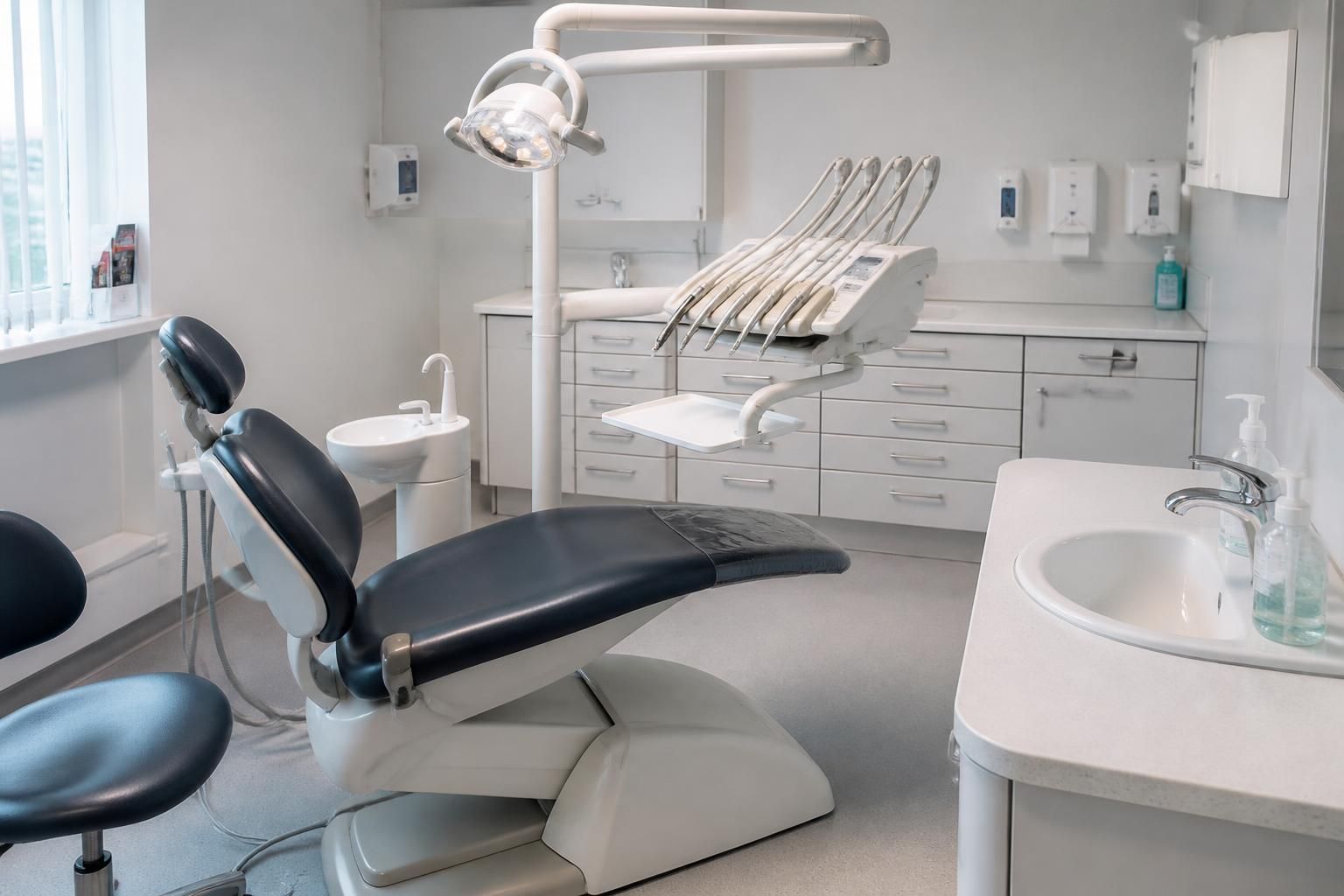
In a dental practice, the assessment must look beyond the building’s general hot and cold-water services. It should examine how water is used in treatment rooms, how dental units are supplied, whether water remains stagnant within equipment, how lines are disinfected, and how equipment is cleaned and maintained. The practice should also consider water used for hand hygiene, instrument processing, surgery cleaning and other activities where water quality or contamination control may affect patients or staff.
Dental unit waterlines require particular attention because their narrow internal tubing and intermittent use can allow biofilm to develop. The practice should have documented procedures for operating, flushing, cleaning and disinfecting the equipment, based on the equipment manufacturer’s instructions and the practice’s infection prevention arrangements. Where treatment involves vulnerable patients or procedures with increased exposure to aerosols, the risk assessment may require additional controls and closer review.
Dental practices also have responsibilities as employers and occupiers of clinical premises. Their arrangements should connect legionella control with wider health and safety and infection prevention systems. Relevant staff need to understand their duties, know how to report a water safety concern and follow procedures for equipment disinfection, outlet use and incident escalation. A practice should be able to demonstrate not only that a policy exists, but that controls are implemented and checked.
- Landlords generally focus on: the condition and management of residential or communal water systems, tenant exposure, stored water, distribution pipework, outlet use and the division of duties between the landlord, agent, contractor and tenant.
- Dental practices generally focus on: building water systems under their control, dental unit waterlines, clinical procedures, staff practices, patient exposure, infection prevention and the maintenance of treatment equipment.
The party commissioning a legionella risk assessment should ensure that it covers the systems and activities for which that party has responsibility. A landlord’s assessment may need information from a dental practice occupying part of a building, while the practice’s assessment may need details from the building owner about incoming supplies, storage tanks, calorifiers and shared distribution systems. Separate assessments can be appropriate, but they should not leave gaps at the boundary between the building and the clinical equipment.
Responsibility is particularly important where a dental practice rents its premises. The lease may allocate responsibility for plant, pipework, servicing or access, but contractual wording does not replace the need to manage an actual health risk. The landlord and practice should identify which organisation controls each part of the system and agree how faults, test results, access, shutdowns and remedial recommendations will be communicated. Shared responsibility should mean coordinated control, not an assumption that the other party is dealing with it.
Monitoring arrangements should reflect the hazards identified rather than follow an identical schedule for every property. For a landlord, this may involve temperature checks, outlet flushing, inspection of storage and heating equipment, review of tenant or contractor records and testing where the assessment indicates it is justified. For a dental practice, monitoring may additionally include dental unit maintenance records, disinfection logs, water quality checks where appropriate and evidence that clinical equipment is managed in accordance with its instructions.
Testing is not a substitute for control measures in either setting. A negative sample does not remove the need to manage stagnation, unsuitable temperatures, poor maintenance or biofilm. Conversely, a test result that identifies an issue should trigger a documented response proportionate to the risk. This may include confirming the result, reviewing the assessment, restricting use of an outlet or item of equipment, carrying out cleaning or disinfection, and verifying that corrective action has been effective.
Both landlords and dental practices should retain clear records, but the content will differ. Landlord records may include the risk assessment, system information, monitoring results, maintenance certificates, flushing arrangements, contractor reports and evidence that residents or managing agents have received relevant instructions. Dental practice records may also need to show staff training, dental unit servicing, waterline disinfection, infection-control checks, incidents affecting patients or staff and decisions made following unusual results.
Reviews should take place when the system or use of the premises changes, after significant work, following an incident, when monitoring identifies a problem or when responsibilities change. Examples include installing a new dental unit, altering pipework, adding a treatment room, changing occupancy, bringing a vacant area back into use or replacing water-heating equipment. A landlord and a dental practice may therefore share a building but require different assessments, controls and records because their activities and exposure pathways are not the same.
In practice, the most reliable approach is to define responsibilities by system component and task: who owns it, who controls its use, who maintains it, who monitors it, who receives the results and who authorises remedial work. This produces a more useful compliance arrangement than assigning a general label such as “the landlord” or “the practice” to every water safety duty.
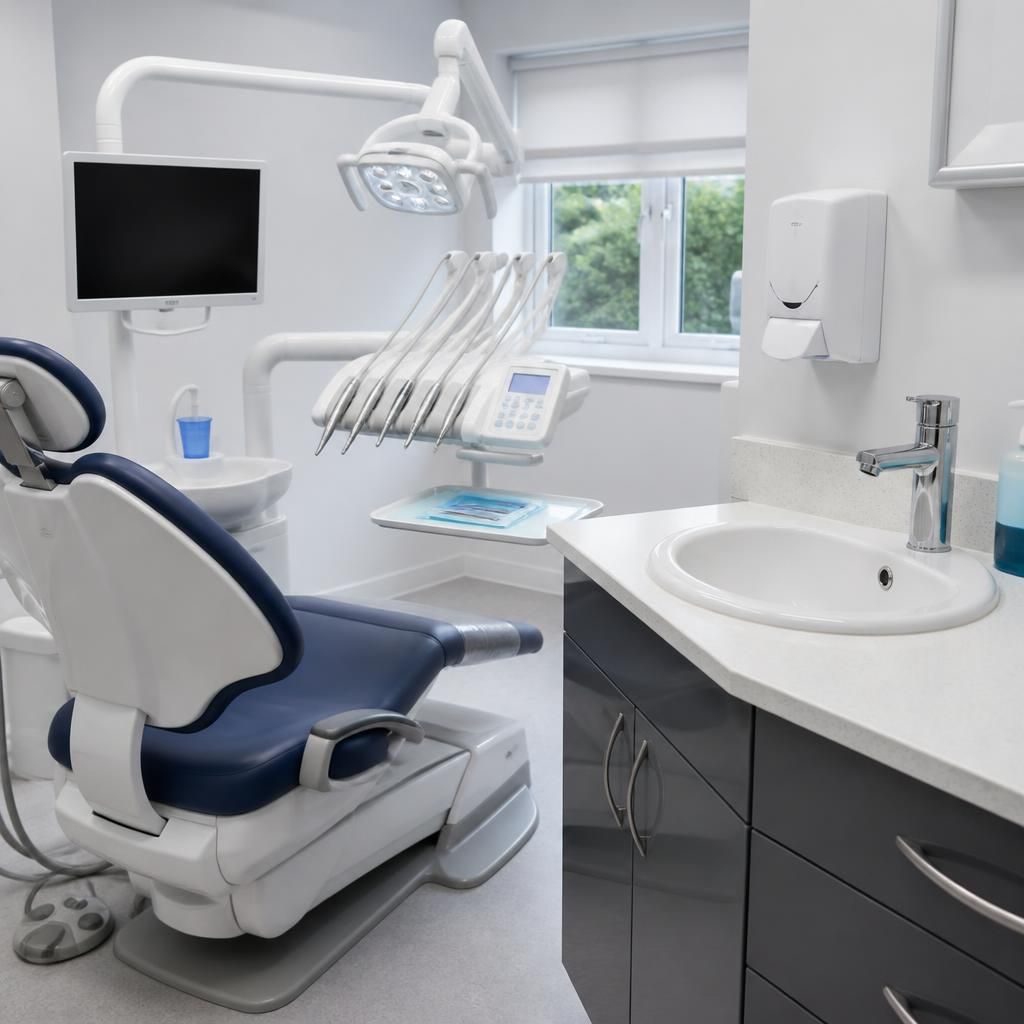
The distinction becomes especially important when a dental practice occupies premises managed by a landlord. Before clinical activity begins, both parties should confirm the information needed to operate the water systems safely, including system drawings, known restrictions, maintenance arrangements and the location of isolation points. This gives the practice a clear basis for managing its clinical equipment without making assumptions about building services.
A landlord may manage water safety across several properties using consistent administrative processes, but each dental practice still needs an assessment that reflects its own layout, equipment and procedures. The practice should therefore treat water safety as part of its clinical governance, while the landlord retains responsibility for the building systems within its control. This division helps prevent a gap between property-level management and point-of-use clinical risks.
Get Advice on Your Water Safety Responsibilities
Speak to Blue Fish Water Management Ltd for an expert review of how water safety responsibilities apply to your property, premises and working arrangements.