
How are water monitoring results interpreted?
Water monitoring results are interpreted by comparing measured values with relevant control limits, expected conditions and previous results for the system. The findings are then considered alongside sampling methods, site conditions and trends to determine whether routine controls are adequate or further investigation and remedial action are needed.
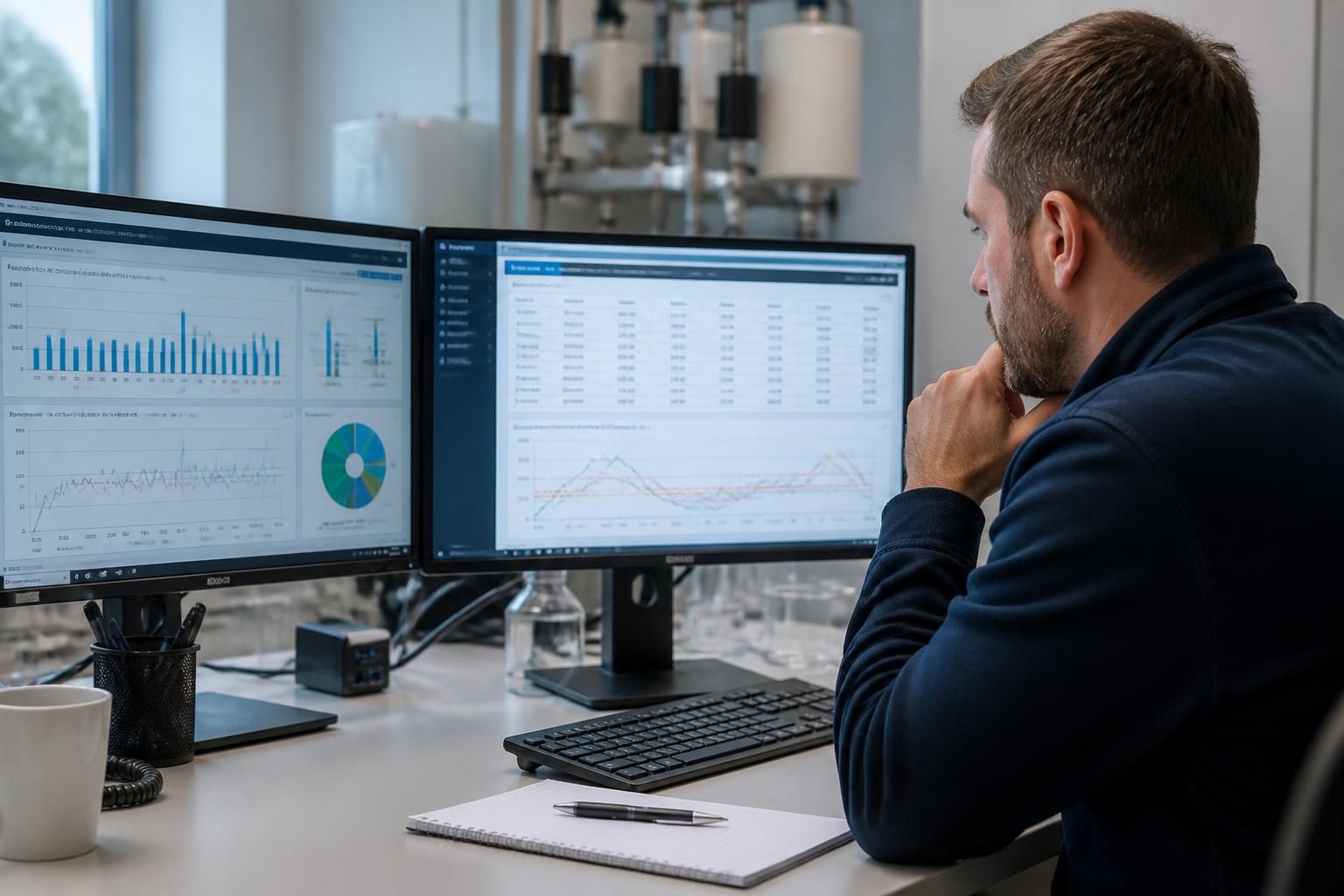
Interpreting water monitoring results means assessing what each finding indicates about the control of a water system, the reliability of the sample and the level of risk it presents. A result is not considered in isolation: its significance depends on the parameter tested, the location and method of sampling, the condition and use of the system, and the control measures already in place.
Microbiological results require particular care. A laboratory finding may indicate contamination, inadequate control or a need for further investigation, but it does not automatically describe the condition of the entire system. The sample point, volume, transport conditions and time between collection and analysis can all affect how representative the result is. A competent review therefore checks the sampling record and laboratory information before deciding what the result means.
Where Legionella is identified, the finding is assessed alongside the type of system, the people exposed, the likely route of exposure and the effectiveness of existing controls. The appropriate response may include checking temperatures and disinfection arrangements, reviewing the risk assessment, carrying out additional sampling or undertaking remedial work. The result should be acted on through the site's water safety management arrangements rather than treated as a standalone laboratory event.
Other microbiological indicators can help identify general changes in water quality or system performance. An unexpected increase may point to stagnation, low use, poor turnover, biofilm development, ingress or an issue with cleaning and disinfection. It can also justify checking whether the sample was taken correctly. A low or satisfactory result does not remove the need for routine control, because conditions can change between sampling visits.
Temperature results are interpreted by reference to the system's intended operating conditions and the points at which water is stored, distributed and used. Readings that are lower or higher than expected may indicate inadequate heating, excessive storage, poor circulation, dead legs, infrequently used outlets or a fault in mixing or temperature control equipment. Results from several outlets are more informative than a single reading, particularly when they show a pattern in one branch, floor or area.
Disinfectant residuals, where relevant to the system, are considered in the same practical way. A reduced residual may indicate demand, stagnation, dosing problems or a distribution issue, while an unusually high reading may require investigation of dosing controls and potential user exposure. The meaning depends on the treatment process and the operating requirements for that system; there is no universal interpretation that can be applied without context.
Trend analysis helps distinguish an isolated variation from deteriorating control. Results should be reviewed against previous records for the same location, using comparable sampling methods and conditions where possible. Repeated adverse or borderline findings generally carry more significance than one unexplained result. A trend may reveal gradual loss of temperature control, recurring contamination at a particular outlet or a weakness in the monitoring schedule.
Interpretation also involves checking the quality and completeness of the data. The review should consider:
- the date, time and exact location of each sample or measurement;
- the identity of the person who carried out the monitoring;
- the sampling method, equipment and any preservation or transport details;
- the laboratory method and reporting units;
- whether the sample was taken before or after flushing, cleaning or remedial work;
- any maintenance, occupancy or operational changes that could affect the result; and
- whether the result is comparable with earlier data.
Results should then be classified according to the action required. A normal finding may support continuation of the existing regime. An unusual result may require confirmation, closer monitoring or a review of controls. A significant adverse finding may require immediate operational measures, escalation to the responsible person and documented remedial action. The decision should be proportionate to the potential exposure and supported by the risk assessment and relevant water safety procedures.
When further sampling is recommended, it should answer a defined question rather than simply repeat the original test. For example, samples may be collected from adjacent outlets to establish whether a finding is localised, from storage or return points to assess the wider system, or after remedial work to verify that controls have been restored. Re-sampling does not replace corrective action where the available evidence already indicates a meaningful risk.
Monitoring records should show the result, interpretation, decision, responsible person and completion of any follow-up action. This creates an auditable link between test data and water safety management. For complex or adverse findings, an appropriately competent water hygiene specialist can help evaluate the evidence, coordinate UKAS-accredited testing where appropriate and identify proportionate corrective measures.

Water monitoring results must be read alongside the laboratory report’s reporting limits and explanatory notes. A result described as “not detected” means the target was not detected using that method at its reporting limit; it does not prove that none was present. Similarly, a result reported as estimated, below the quantification limit or unsuitable for analysis may not support the same decision as a fully quantified result.
These qualifiers affect how much confidence can be placed in the finding. The reviewer should confirm what was tested, the units used, the analytical method and any limitations identified by the laboratory before comparing the result with a control requirement. If the report is unclear, the laboratory or a competent water hygiene specialist may need to clarify its meaning before the responsible person decides whether further action is appropriate.
Need help interpreting your water monitoring results?
If you need an independent review of water monitoring findings or support deciding what to do next, contact Blue Fish Water Management Ltd to discuss your requirements with a water hygiene specialist.