
Who should collect potable water samples?
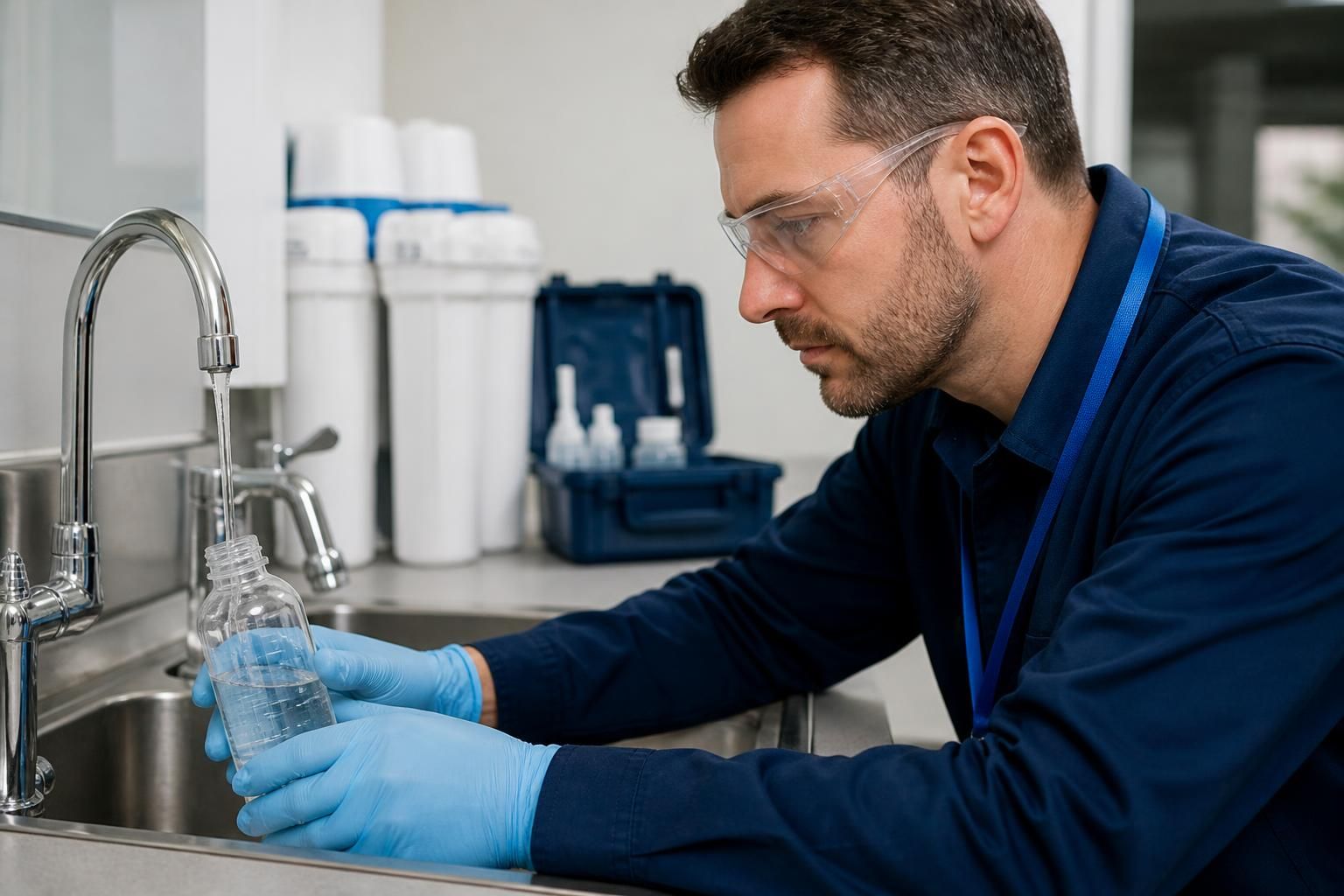
Potable water samples should be collected by someone who can demonstrate competence for the specific water system, sampling method and intended analysis. This may be a suitably trained member of the organisation or an appropriately qualified water hygiene contractor, provided they can follow an approved sampling plan and maintain the integrity of each sample from collection through to laboratory receipt.
Competence is more than knowing how to fill a bottle. The sampler should understand:
- how the relevant hot and cold water systems are configured;
- which outlets, tanks, calorifiers or other locations need to be sampled;
- how to select a representative sample without introducing contamination;
- the correct preparation, flushing and collection method for each parameter;
- how to label, document, store and transport samples; and
- when an unusual result, access issue or system change must be referred to the responsible person.
The individual should have suitable training and practical experience, with their competence reviewed rather than assumed from job title alone. Evidence may include training records, supervised sampling, documented procedures and periodic checks of how the work is carried out. A person who normally manages premises, maintains equipment or performs cleaning duties is not automatically competent to collect compliance samples.
An organisation can use its own staff where the relevant knowledge, training, equipment and quality controls are in place. This can work well when the same people regularly access the system and can identify changes in occupancy, use, temperature control or maintenance. Internal sampling should still follow a written procedure, and staff should not be asked to improvise methods or substitute convenient outlets for the locations specified in the sampling plan.
External sampling is appropriate where the system is complex, the results have significant compliance implications, specialist analysis is required or the organisation cannot demonstrate in-house competence. The appointed provider should be able to explain who will collect the samples, what procedure they will use, how samples will be preserved and how the laboratory’s acceptance requirements will be met. The laboratory report should make it possible to link each result to the sampler, location, date, time and sample reference.
Sampling should be planned by the person responsible for water safety, using information about the building and its water systems. The plan may need to distinguish between outlets used for drinking, outlets representing stored or heated water, low-use points, areas with vulnerable occupants and locations where previous results or system conditions indicate a need for closer investigation. The collector must be given enough information to select the correct points and record any deviation.
Good practice during collection includes checking the outlet condition, using clean sampling equipment, avoiding contact with the inside of containers or caps, recording whether the sample is taken before or after flushing where relevant, and noting observations such as discolouration, unusual odour, poor flow or damaged fittings. Samples should then be secured and transferred according to the documented requirements for the analysis. Delays, incorrect temperatures or incomplete records can affect how confidently a result can be interpreted.
The person collecting the sample should also understand the limits of their role. They can record conditions and report concerns, but should not alter the sampling plan, disregard an unsuitable outlet or explain away an unexpected result without appropriate review. Results should be considered alongside system records, maintenance activity, previous findings and any relevant risk assessment. Where sampling identifies a potential problem, the responsible water safety lead should decide whether further investigation, remedial work or repeat sampling is required.
In practical terms, the best choice is the person who can show method-specific competence, understands the water system, follows controlled procedures and produces complete, traceable records. Whether that person is an employee or an external specialist, the organisation remains responsible for ensuring that the sampling arrangements are suitable for the purpose and that findings are acted on appropriately.
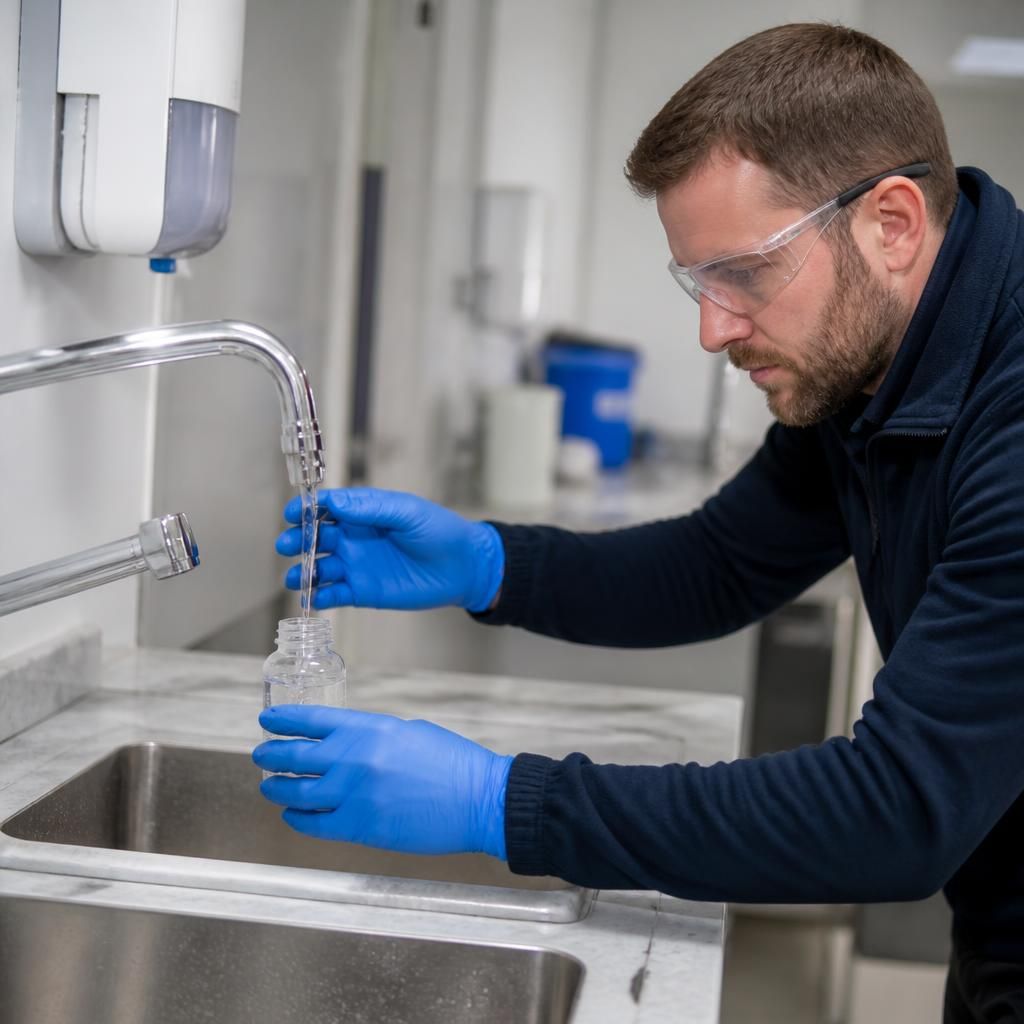
The right sampler depends on what the sample will be tested for. A person experienced in routine microbiological sampling may not be competent to collect samples for metals, chemicals or other analyses that require different containers, preservatives, flushing instructions or storage conditions.
Before collection, the sampler should confirm the test requirements with the laboratory and use the specified equipment and procedure. This is particularly important where the bottle contains a preservative or neutralising agent, as emptying it, rinsing it or using the wrong container can make the sample unsuitable for reliable analysis.
Discuss who should collect your potable water samples
Contact Blue Fish Water Management to discuss your potable water sampling requirements and review whether your current arrangements are suitable for your organisation.