
Which parameters should potable water testing cover?
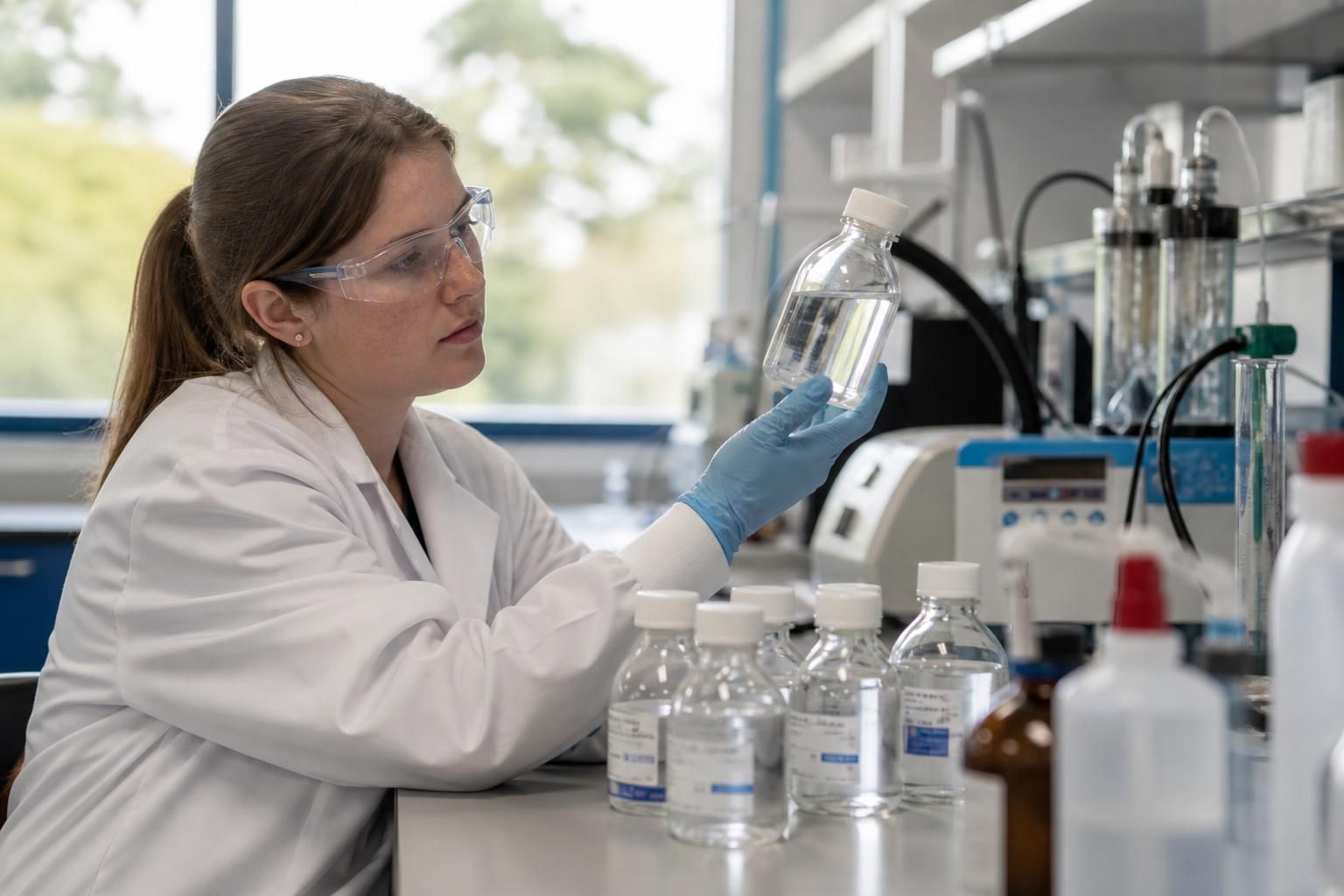
The appropriate parameter suite is a risk-based profile rather than a fixed checklist. It should reflect the water source, treatment process, distribution system, building use and any hazards identified through a documented assessment. A routine mains-water sample, a private supply and water from a complex commercial system may therefore require different tests.
Microbiological parameters
Microbiological analysis checks whether contamination may have entered the supply and whether treatment or storage is performing properly. In addition to the routine indicator organisms already identified, testing may include intestinal enterococci, sulphite-reducing clostridia or Clostridium perfringens, depending on the source and regulatory requirements. These organisms can provide evidence of faecal pollution or historic contamination, particularly where water is drawn from a surface source or passes through storage.
Additional microbiological testing may be appropriate after a treatment failure, interruption to supply, contamination event, remedial work or prolonged stagnation. In healthcare, care, hospitality and other higher-risk environments, the sampling plan may also need to consider organisms associated with the building water system. Legionella analysis is a separate water hygiene investigation rather than a standard indicator of potable-water compliance, but it can be relevant where the system creates a recognised exposure risk.
Chemical parameters
The chemical profile should be selected according to the geology, source and materials in contact with the water. Common examples include nitrate, nitrite and ammonium, which can indicate agricultural influence, sewage contamination or treatment issues. Chloride, sulphate, sodium, calcium, magnesium, alkalinity and hardness help describe the water chemistry and may identify corrosion or scaling risks.
Where treatment is used, analysis may need to include residual disinfectant and its by-products. Organic carbon measurements can help assess the level of organic material available to support biological activity, while conductivity can indicate changes in the overall mineral content or an unexpected source of contamination. The relevance of each test depends on how the water is abstracted, treated, stored and distributed.
Targeted analysis may also be necessary for pesticides, hydrocarbons, solvents, detergents, industrial chemicals or other substances associated with nearby land use and business activities. Private supplies and sites with a history of contamination may require a broader chemical screen than a standard check of treated mains water. Where buildings contain older or unsuitable plumbing, the assessment should consider the possibility of metals dissolving from fittings, tanks, solder or pipework rather than treating the incoming supply as the only potential source.
Metals and plumbing-related contaminants
Metal testing should be based on the construction and condition of the supply system. Lead is a particular concern in older installations, while copper, nickel, iron and zinc may be relevant where pipework, fittings or storage vessels could affect the sample. The result can vary significantly between a flushed sample and a first-draw sample, so the sampling method must be recorded and matched to the question being investigated.
A first-draw sample can help identify contamination that has accumulated in premises plumbing during stagnation. A flushed sample is more useful for assessing the water arriving from the wider supply. Comparing both approaches, where justified, can help distinguish a source-water issue from a problem within the building.
Radiological parameters
Radiological testing is not required for every supply. It may be considered for groundwater, private supplies or locations where the underlying geology creates a potential radiological risk. The assessment may determine whether gross alpha, gross beta, radon or specific radionuclides should be investigated. Specialist advice is appropriate because the relevant parameters depend heavily on the source and local geological conditions.
Operational and aesthetic parameters
Operational measurements help explain whether the system is being maintained correctly. Temperature, conductivity, alkalinity, hardness and disinfectant residual can be useful for trending changes, investigating complaints or checking treatment performance. Some are not, by themselves, evidence that water is unsafe; they provide context for interpreting microbiological and chemical results.
Aesthetic observations such as unusual staining, sediment, deposits, odour or a change in appearance should be recorded alongside laboratory results. These findings can indicate corrosion, ingress, stagnation or a treatment problem even when the initial laboratory screen does not identify a regulatory exceedance.
How to decide the final test suite
- Identify whether the supply is mains, private, borehole, spring, surface water or a blended source.
- Review treatment stages, storage tanks, water softeners, filters, dosing equipment and distribution pipework.
- Consider the premises’ activities, nearby agriculture or industry, previous results, contamination incidents and any vulnerable users.
- Define the purpose of the sampling: regulatory compliance, commissioning, investigation, routine monitoring or verification after remedial work.
- Specify sample locations, sample types, preservation requirements and laboratory detection limits before collection.
- Compare results with the applicable regulatory or project criteria and investigate trends, not only isolated failures.
Testing should be carried out by a competent laboratory using suitable methods, with chain-of-custody information and sampling conditions documented. A result is only meaningful when its parameter, unit, analytical limit and sampling method are understood. Where results are outside the applicable limit, further sampling and a review of the water system may be needed before deciding on corrective action.

A potable water test should distinguish between parameters used to assess compliance and those used to diagnose a problem. Microbiological and specified chemical results may be compared with the relevant regulatory criteria, while measurements such as hardness, conductivity, temperature or appearance can help explain why a result has changed. Keeping these purposes separate prevents an operational indication from being treated as proof of contamination, or a compliant result from concealing an emerging system issue.
When a result is unusual, interpret it alongside the sample location, collection method, previous results and condition of the water system. This context helps determine whether the finding relates to the incoming supply, premises plumbing, storage or treatment, and whether targeted follow-up testing is justified.
Need help defining your potable water testing parameters?
If you need help deciding which potable water testing parameters are appropriate for your premises, speak to Blue Fish Water Management Ltd about a risk-based testing plan. Their team can help review your supply, water system and testing objectives before sampling is arranged.