
What parameters are included in drinking water quality testing?
Drinking water quality testing can include microbiological parameters such as bacteria, chemical parameters such as metals and other substances, and physical indicators such as colour, odour, taste and turbidity. The parameters selected depend on the water source, building system, potential risks and the relevant compliance requirements.
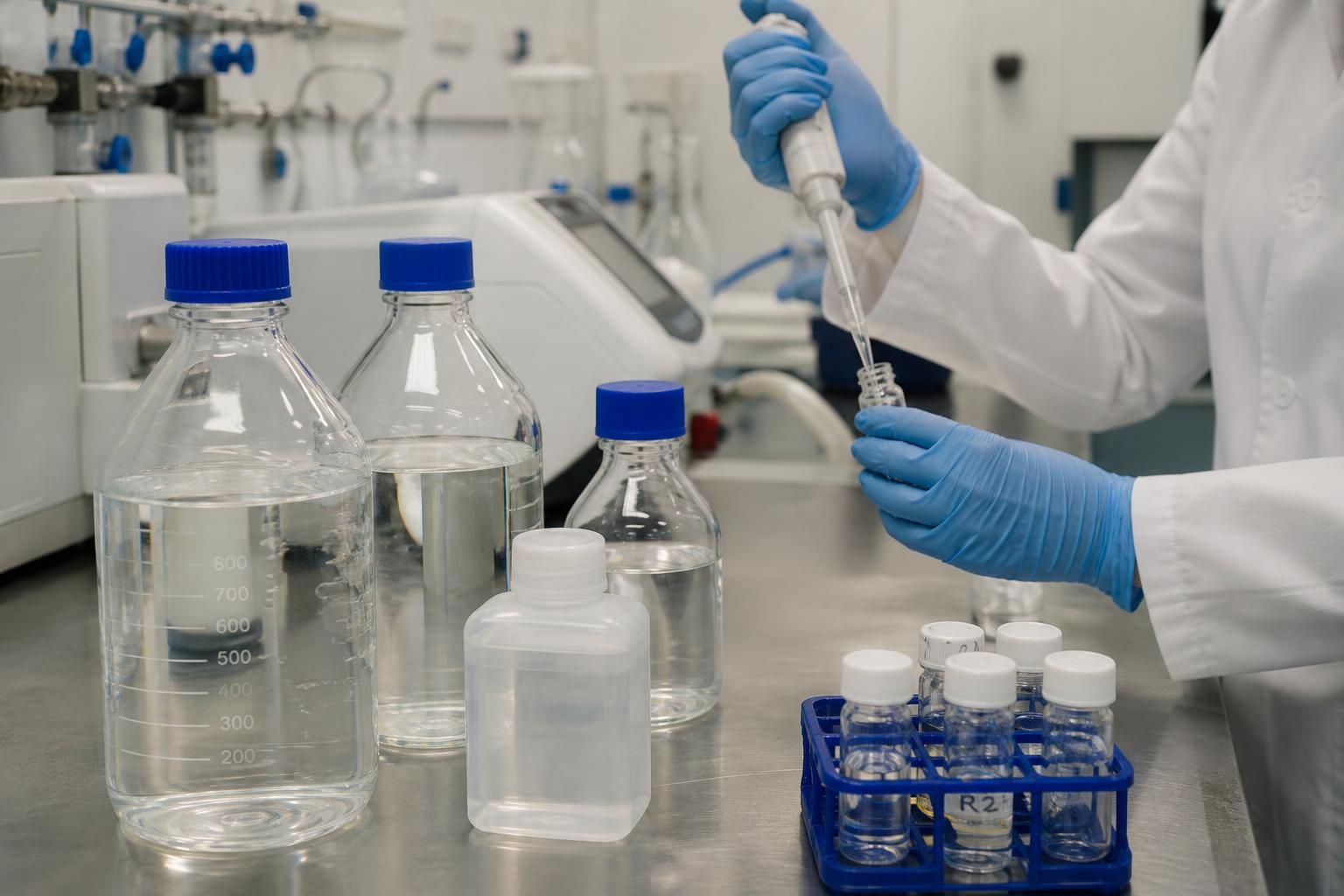
Drinking water quality testing may include microbiological, chemical, physical and operational parameters. The exact panel is determined by the source of the water, the type and condition of the building’s supply system, the intended use of the water and the compliance requirements that apply to the site.
Microbiological parameters
Microbiological analysis checks whether organisms that indicate contamination or a potential health risk are present. Common parameters can include:
- Escherichia coli (E. coli): an indicator of faecal contamination and a key parameter in assessing the microbiological safety of drinking water.
- Coliform bacteria: organisms used to indicate changes in water quality or possible contamination within a supply or building system.
- Intestinal enterococci: another indicator group associated with faecal contamination.
- Colony counts: general measures of bacterial growth under specified laboratory conditions. These do not identify every organism present, but can help reveal changes in the condition of the water or distribution system.
Where a building has risk factors associated with stored water, outlets, showers or complex hot and cold water systems, testing may also include Legionella. This is generally considered as part of a water system risk assessment and water hygiene programme rather than as a routine indicator of wholesome mains drinking water.
Chemical parameters
Chemical testing examines naturally occurring substances, materials introduced by the supply system and contaminants that may affect health, taste, appearance or asset condition. Depending on the assessment, analysis may include:
- Metals: lead, copper, nickel, iron and manganese can be investigated where pipework, fittings, storage arrangements or local geology create a potential source. Lead is particularly important in buildings with older plumbing materials.
- Ammonia, nitrate and nitrite: these compounds can provide information about the source and condition of the water and may be relevant where agricultural, environmental or treatment-related risks exist.
- Chloride and sulphate: these can affect taste and corrosivity and may help identify changes in the source or interaction between the water and plumbing materials.
- Fluoride: this may be included where it is relevant to the local supply or the purpose of the investigation.
- Organic contaminants: pesticides, hydrocarbons, solvents or other substances may be tested where land use, industrial activity, storage arrangements or a specific incident creates a credible risk.
- Disinfection indicators: free chlorine or other residual disinfectant measurements can help assess whether treated water is being maintained through the distribution system.
Some chemical results are also useful for diagnosing system conditions. For example, an unusual combination of metals, conductivity and pH may indicate corrosion, stagnation or an effect from internal plumbing rather than a problem at the original water source.
Physical and operational parameters
Physical observations and field measurements support the laboratory results. Depending on the testing objective, these can include:
- Temperature: relevant to water stability, storage conditions and the assessment of hot and cold water systems.
- pH: a measure of acidity or alkalinity that helps with assessing corrosion potential and the behaviour of other substances in the water.
- Conductivity: an indication of the amount of dissolved ionic material present, useful for identifying changes between samples or sources.
- Hardness: the concentration of calcium and magnesium, which can influence scaling, taste and the operation of equipment.
- Residual disinfectant: a site measurement that can help establish whether adequate treatment remains at the point of use, where relevant.
How the parameter list is selected
A commercial testing plan should not automatically use the same laboratory suite at every location. The selection normally considers whether the water comes directly from the public supply, a private supply, a tank or another source; whether it is used for drinking, food preparation or healthcare-related activities; and whether the building contains long, little-used or unusual pipework. Previous results, complaints, remedial work, changes in occupancy and evidence of stagnation may also justify additional analysis.
Samples may be taken from the incoming supply and from representative points of use. Comparing these locations can help distinguish a source-water issue from contamination, deterioration or metal release within the building. Sampling technique, flushing arrangements, sample containers, preservation and transport are important because poor sampling practice can produce misleading results.
The final report should identify each parameter, the result obtained, the applicable specification or reference value and any limitations on interpretation. A result outside a relevant requirement does not always identify the cause by itself. It may need confirmation sampling, a review of the sampling point and an investigation of the building water system before corrective action is selected.
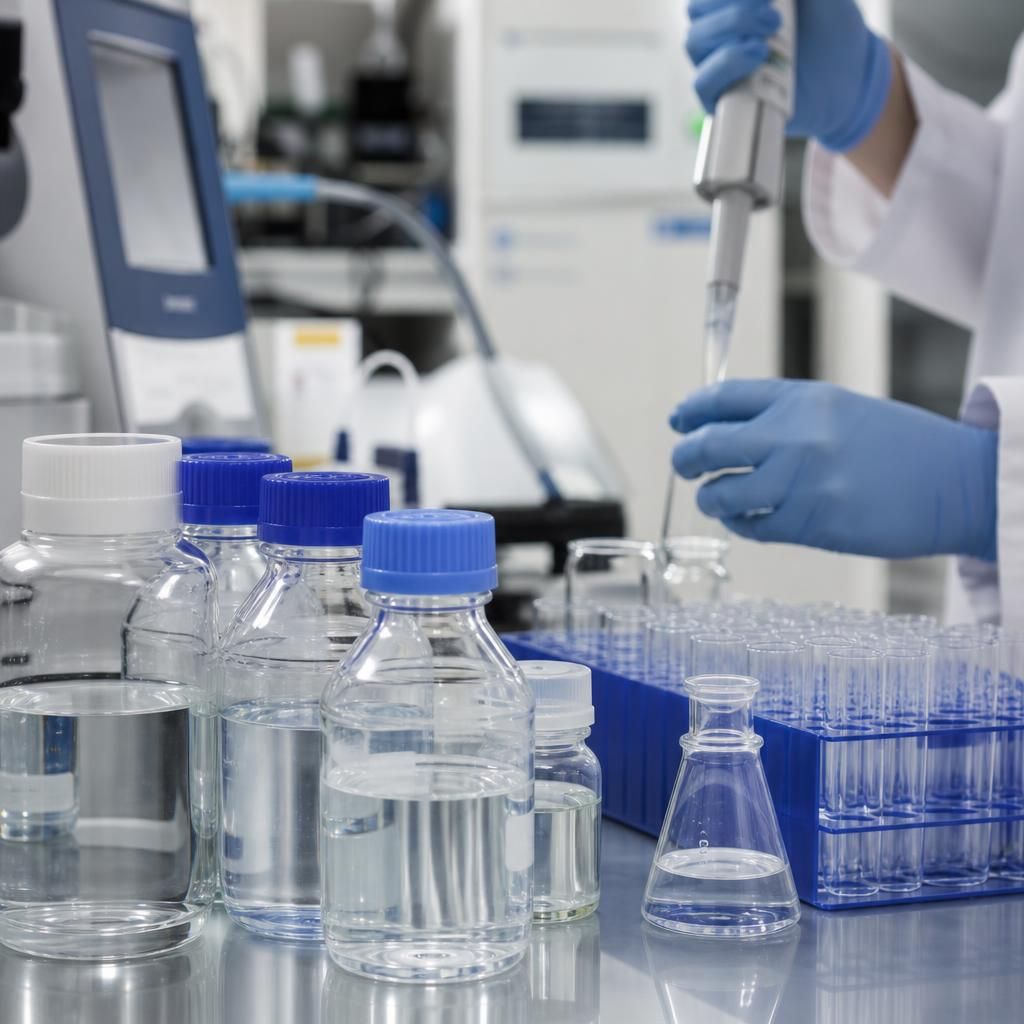
Drinking water parameters are reported in different ways, depending on what is being measured. Microbiological results may show whether an organism was detected or record bacterial growth as a count, while chemical analysis usually gives a concentration in a defined unit. Field measurements such as temperature, pH and residual disinfectant are recorded at the sampling location and can change more readily than results for stable chemical constituents.
Laboratory reports may also state a detection limit, meaning the lowest concentration the method can reliably identify. A result reported as below that limit does not necessarily mean that a substance is completely absent; it means that it was not detected at a measurable level using that method. This distinction is important when reviewing a panel of results and deciding whether further investigation is appropriate.
Discuss your drinking water testing requirements
Discuss your drinking water testing requirements with Blue Fish Water Management Ltd to identify an appropriate testing scope for your building, water source and intended use.