
How are water samples prepared for laboratory testing?
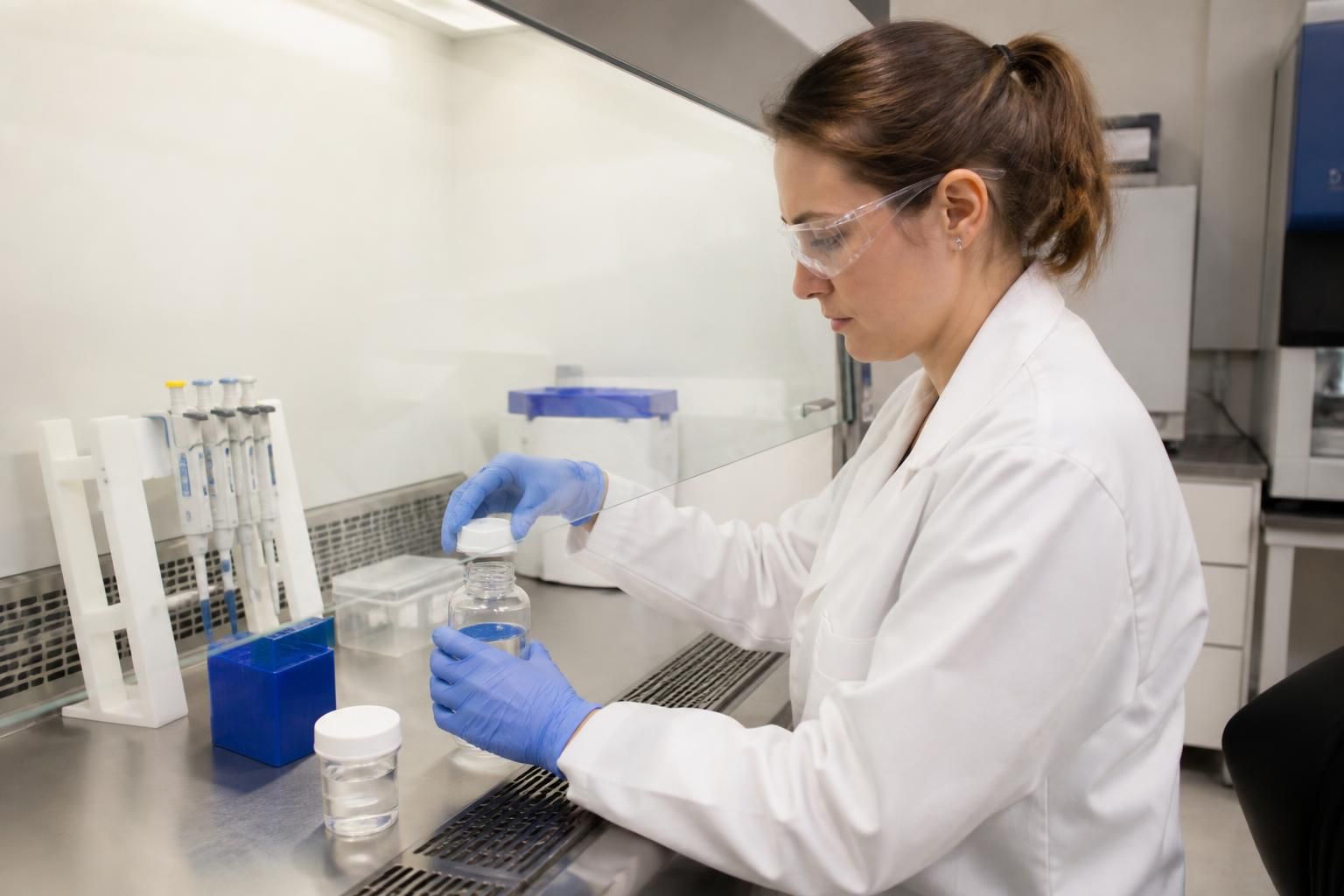
Water samples are prepared for laboratory testing through a controlled sequence of receipt checks, sample concentration, treatment and analysis. The exact preparation depends on the organism or indicator being investigated, the sampling purpose and the analytical method specified by the laboratory.
When a sample arrives, the laboratory checks that the container and accompanying information are suitable for testing. This may include confirming the sample identity, collection details, requested analysis, container condition and any relevant treatment information. The laboratory also records the condition of the sample on receipt. If there is a discrepancy, leakage, an unsuitable container or insufficient volume, the laboratory may qualify the result or contact the client before proceeding.
For samples intended for microbiological analysis, the laboratory first ensures that any disinfectant residual will not continue killing organisms after collection. Appropriate neutralisation is important because untreated chlorine or another disinfectant could reduce the organisms present in the bottle and produce an artificially low result. The laboratory uses the neutralising preparation specified for the test method and records any relevant limitations.
Legionella testing commonly requires the organisms to be concentrated before they are cultured. A laboratory may pass a measured portion of the sample through a membrane filter, allowing microorganisms to collect on the filter. The filter is then processed so that the retained material can be placed onto an appropriate growth medium. Depending on the method and sample characteristics, centrifugation or another validated concentration technique may be used instead.
Following concentration, the laboratory may apply a selective treatment designed to reduce competing background organisms while retaining the best possible recovery of Legionella. The prepared material is then inoculated onto a medium suitable for Legionella growth. Culture plates are incubated and examined at defined stages in accordance with the laboratory’s validated procedure. Suspect colonies require further examination because their appearance alone does not establish that they are Legionella.
Confirmation can involve microscopic assessment, biochemical or immunological testing, and other identification techniques specified by the method. Where the analysis distinguishes between Legionella species or serogroups, the laboratory carries out the additional identification required for the requested report. The final result therefore depends not only on growth, but also on the confirmation process and the reporting limit of the method.
Some laboratories also offer molecular analysis, such as polymerase chain reaction testing. This preparation is different from culture: the laboratory extracts genetic material from the concentrated sample and uses a validated assay to detect Legionella DNA. A molecular result indicates that target genetic material was detected or not detected by that method; it does not necessarily provide the same information as a viable organism count from culture. Businesses should therefore check which method has been used before comparing results from different reports.
Other water quality tests may require separate preparation. For example, a laboratory may divide a sample into portions so that each analysis is performed under conditions appropriate to its target organism or chemical indicator. Some tests require filtration, dilution or the addition of a specific reagent, while others are performed directly from a measured volume. The laboratory must prevent one test or reagent from affecting another.
Quality controls are processed alongside samples to identify contamination, confirm that the culture medium and reagents perform correctly, and demonstrate that the analytical procedure has operated as intended. Laboratories may also use positive and negative controls, equipment checks and documented method controls. These safeguards help distinguish a genuine finding from contamination introduced during preparation.
Results should be interpreted with the method and sample context in mind. A laboratory report should identify the analysis performed, the units used where applicable, any reporting or detection limit, and relevant qualifications. A result from a culture method should not be treated as directly interchangeable with a result from a molecular method, even when both refer to Legionella.
For reliable interpretation, businesses should retain the sampling point, system conditions and reason for testing alongside the laboratory report. If a result is unexpected, the laboratory can clarify whether it relates to sample condition, method limitations, an inhibited analysis or a confirmed finding. A water hygiene specialist can then consider the result alongside the site’s risk assessment and control measures rather than treating the laboratory value in isolation.
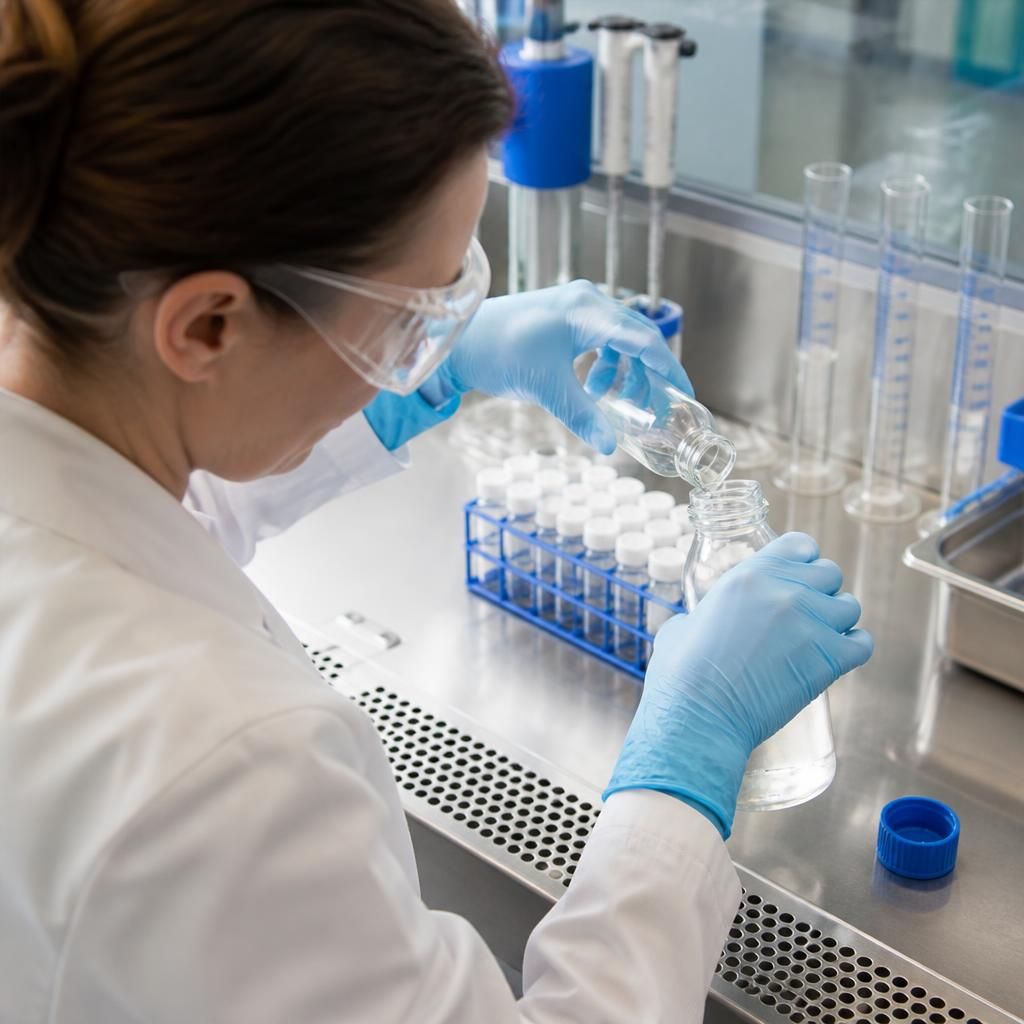
Laboratory sample preparation includes a documented record of every significant handling step. Analysts note the sample reference, portion or volume used, preparation method, reagents, processing times and any departure from the validated procedure. This creates traceability between the water collected at the site and the result issued in the report.
These records also help explain qualified or unexpected results. For example, a laboratory can identify whether a limited sample volume, damaged container or preparation deviation affected the analysis. Businesses should retain this information with the laboratory report, particularly where results will be used to review water hygiene controls.
Discuss Your Water Sample Testing Requirements
Discuss your water sample testing requirements with Blue Fish Water Management Ltd to identify the appropriate laboratory analysis and supporting information for your business.