
How do you choose a dissolved oxygen tester for your water system?
Choose a dissolved oxygen tester by matching its measurement range, required accuracy and probe design to the water system and sampling conditions. Also check that it supports suitable calibration, temperature compensation, maintenance and result recording so readings remain reliable and usable for monitoring.
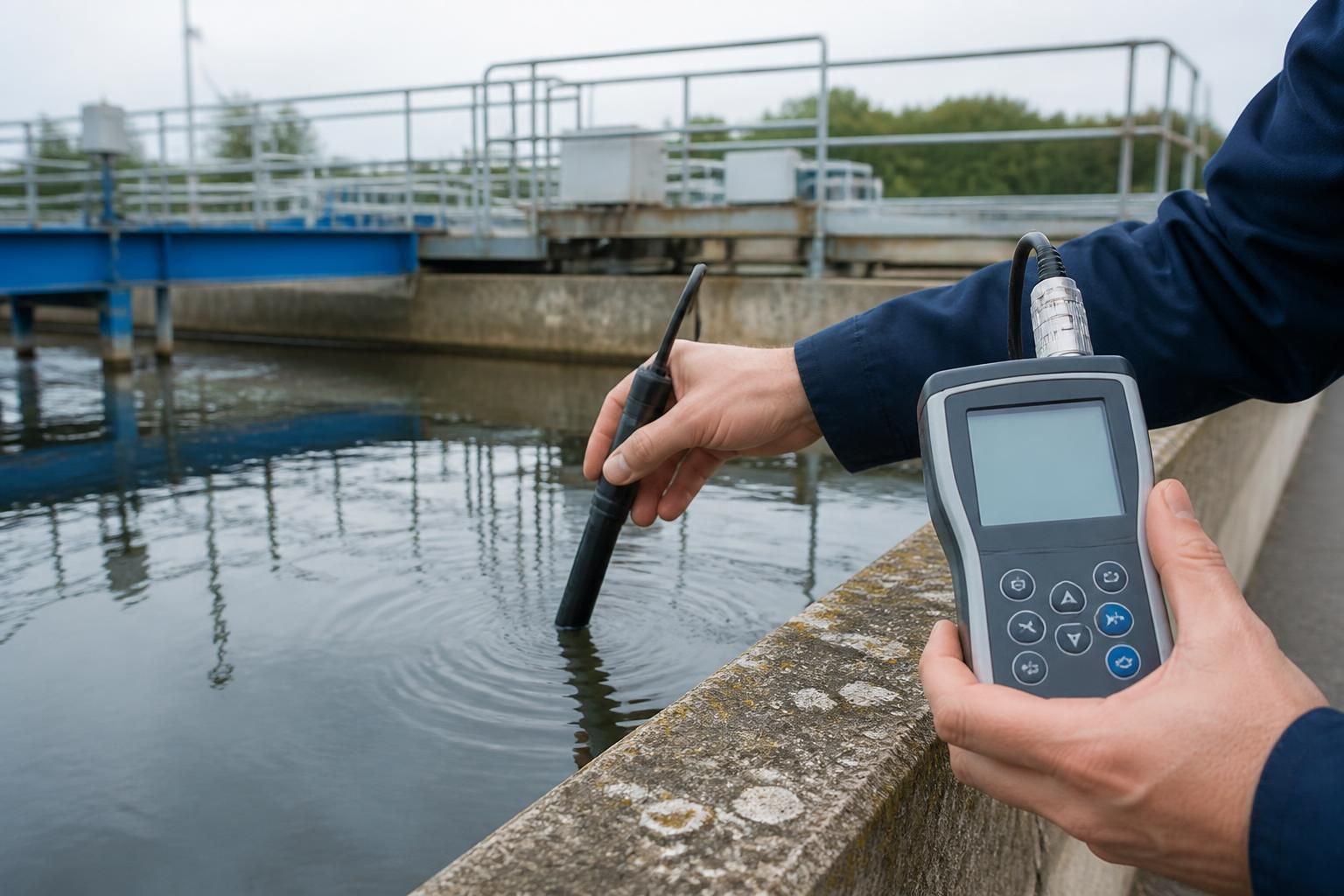
The right dissolved oxygen (DO) tester is the one that matches the measurement method, sample conditions and operational demands of the water system. Selection should therefore consider whether an optical or electrochemical instrument is more suitable, how the sample will be collected, what interferences may be present, how results will be verified and whether the equipment can be maintained consistently by the people using it.
Choose the measurement technology for the application
Most portable DO testers use either an optical sensor or an electrochemical sensor. Optical instruments measure the effect of oxygen on a sensing layer and generally avoid the electrolyte and membrane changes associated with some electrochemical designs. Electrochemical meters use a membrane-covered electrode and may require more attention to membrane condition, electrolyte and polarisation before use. Neither method is automatically right for every water system: the choice should reflect the required sampling frequency, the operator’s maintenance capability and the conditions in which readings will be taken.
Optical equipment can be useful where repeated field measurements are required and preparation time needs to be controlled. Electrochemical equipment may be appropriate where the operating procedure already includes the relevant sensor care and checks. Compare the manufacturer’s stated operating limitations rather than choosing solely on the basis of the sensor type.
Consider the water and sampling environment
A DO reading is affected by the physical conditions around the probe. Before selecting an instrument, identify whether measurements will be taken in tanks, open vessels, pipework, treatment stages, process water or collected samples. The probe must be able to contact the water properly without being obstructed by the container, pipe wall, deposits or bubbles.
Flow is particularly important. Some probes require movement of water across the sensing surface, while others can be used in relatively still samples with an appropriate procedure. If a sample is taken into a container, the method should prevent air exchange and avoid introducing bubbles, as either can alter the result. For in-system measurements, consider access, insertion depth, turbulence, pressure and the risk of fouling.
Temperature, salinity, atmospheric pressure and water composition can influence dissolved oxygen results. A tester should be suitable for the expected range of these conditions, and the measurement procedure should account for them where the instrument requires it. High conductivity, suspended solids, biological growth, oils or chemical residues may also affect sensor performance or increase cleaning requirements. Ask for evidence that the proposed probe is suitable for the actual water matrix, not just clean laboratory water.
Check the practical design of the probe
Probe construction is a significant part of the choice. Examine the materials in contact with the water, the length and flexibility of the cable, the protection around the sensing area and the ease of replacing any consumable parts. A probe used in a process environment may need greater physical protection than one used for occasional sampling from a clean vessel.
Also consider how easily the probe can be cleaned without damaging the sensing surface. A design that is difficult to inspect or clean may lead to inconsistent results if deposits build up. Where measurements are made at several locations, portability, grip, cable management and the ability to secure the probe at a consistent depth can affect repeatability in practice.
Assess calibration and verification procedures
Calibration should fit the way the tester will be used. Depending on the instrument, this may involve air-saturation calibration, a zero-oxygen reference or another documented procedure. The operating instructions should make clear which reference conditions are required and how the instrument indicates an unsuccessful or unsuitable calibration.
Calibration alone does not prove that every reading is correct. Include an independent check or comparison process in the equipment’s use procedure where the risk and monitoring purpose justify it. Record the instrument identity, probe identity where applicable, calibration status, sample location, date, operator and result. If results drift unexpectedly, check the sampling method, temperature, bubbles, fouling and calibration history before treating the change as a genuine change in the water system.
Review data handling and traceability
A tester with memory, time and date functions or direct export may be preferable where DO readings form part of a formal monitoring record. The important point is not the presence of a particular feature but whether it supports a clear chain from the sample location to the reported result.
Check whether stored results can be reviewed, transferred and protected from accidental alteration. If readings are written down manually, use a controlled form that captures the units, sample point and relevant conditions. Where a water system has multiple sampling locations, consistent naming and location identification can be more valuable than additional instrument functions.
Compare the full maintenance requirement
Compare the ongoing requirements rather than the purchase price alone. Consider sensor replacement, membrane or electrolyte changes, cleaning materials, storage conditions, batteries, software support and the availability of trained users. Confirm which tasks can be completed by the operating team and which require specialist servicing.
The tester should have a documented procedure for storage between uses. Some probes must be kept wet or in a particular storage solution, while others have different requirements. Incorrect storage can shorten sensor life or cause unreliable readings at the next sampling session. Include these requirements in the equipment schedule and user instructions.
Match the instrument to the monitoring purpose
For investigative work, a portable tester may need to support measurements at changing locations and conditions. For routine operational monitoring, consistency, straightforward verification and dependable records may be more important than a broad set of advanced functions. If DO is being used alongside other water quality measurements, check whether the instrument can be used safely and practically within the same sampling workflow without contaminating samples or delaying the procedure.
Before purchase, define the intended sample points, measurement method, environmental conditions, users, recording process and acceptance criteria. Then compare instruments against that written specification and arrange a demonstration or controlled trial where the application is complex. This approach is more reliable than selecting a tester from headline specifications alone, because it tests whether the complete equipment-and-procedure combination can produce usable results in the actual water system.
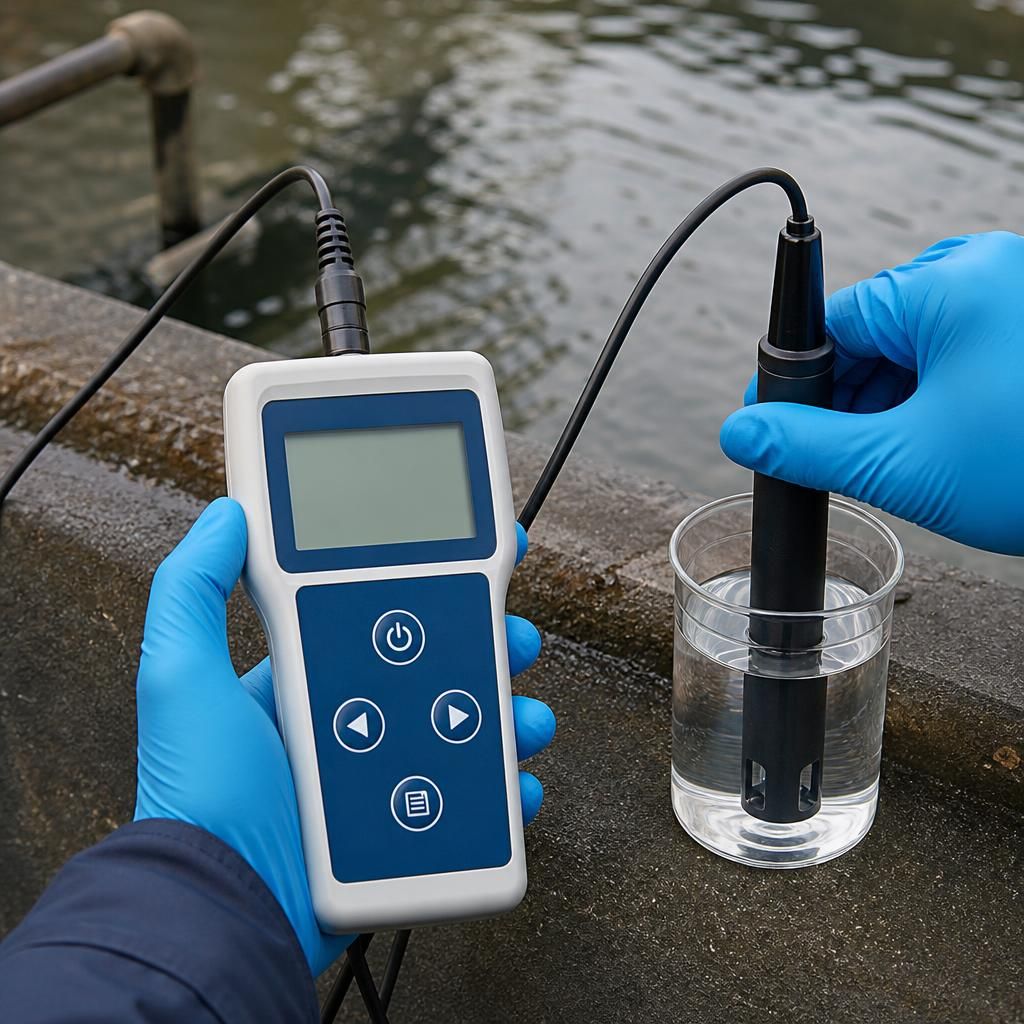
A dissolved oxygen tester may report oxygen concentration in mg/L, oxygen saturation as a percentage, or both. These values are related but are not interchangeable: mg/L states the amount of oxygen dissolved in the water, while percentage saturation compares the reading with an oxygen saturation reference under the measured conditions.
When choosing a tester, confirm which unit is required by the monitoring procedure and whether the instrument applies the relevant temperature, salinity and atmospheric pressure corrections. A result recorded as percentage saturation can be misleading if the reference conditions are unsuitable, while mg/L readings may be the more practical basis for comparing samples from the same water system. The displayed unit, correction settings and any manually entered parameters should be included in the operating instructions and records.
Discuss your dissolved oxygen testing requirements
Discuss your dissolved oxygen testing requirements with Blue Fish Water Management Ltd to review the measurement purpose, sampling conditions and recording needs before selecting equipment.