
How does compliance testing differ from routine checks?
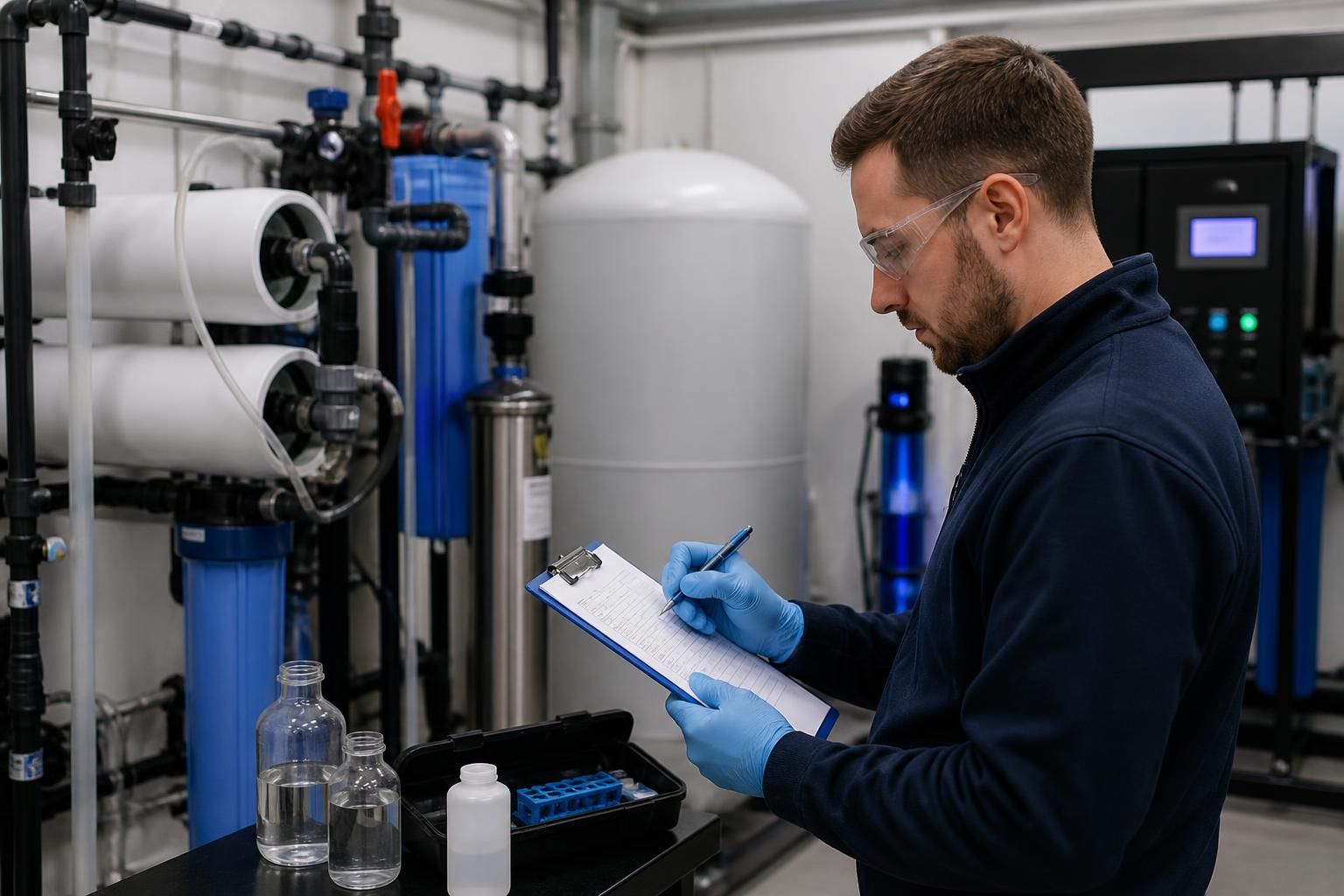
Compliance testing is formal, evidence-based verification against defined water safety requirements; routine checks are operational activities used to confirm that equipment and controls continue to function as intended. The two activities differ in purpose, method, evidence and decision-making. Routine checks help identify developing issues between formal assessments, while compliance testing produces records that can be reviewed by responsible persons, auditors, regulators or other interested parties.
The purpose of each activity
Routine checks are part of day-to-day system management. They may involve inspecting equipment, reviewing readings, checking alarms, observing storage or distribution conditions, and confirming that planned maintenance has been completed. Their value lies in detecting a change early, before it affects treated water quality or undermines a control measure.
Compliance testing has a more defined objective: to establish whether the system, its controls and its records satisfy the requirements that apply to that particular site. Those requirements may arise from legislation, recognised guidance, a water safety plan, a contract, an internal standard or the intended use of the treated water. The test is therefore selected to answer a specific compliance question rather than simply to provide a general indication of system condition.
Differences in scope and method
A routine check is often carried out by an appropriately trained member of the site team as part of an established monitoring schedule. It may be based on direct observation or a reading from installed instrumentation. For a reverse osmosis or ultraviolet system, examples can include checking for leaks, reviewing pressure or flow indications, confirming that an ultraviolet alarm is clear, inspecting pre-treatment components and recording whether servicing has taken place.
Compliance testing normally requires a defined protocol. This can include taking representative water samples, arranging analysis by a competent laboratory, examining records, checking the operation of treatment equipment and comparing the findings with the relevant acceptance criteria. The sampling locations, parameters, method, chain of custody and interpretation of results all affect the evidential value of the work. A result without adequate site context may not demonstrate that the wider system is under control.
What may be assessed
The exact scope depends on the source water, treatment process, distribution arrangement and end use. Testing may consider microbiological quality, chemical characteristics, treatment performance or factors relevant to legionella control. In a reverse osmosis installation, this might include evidence that the membrane process is operating effectively and that treated water quality remains suitable for its intended application. In an ultraviolet installation, it may include verification that the unit is receiving suitable flow, that the lamp and monitoring controls are functioning and that the water reaching the unit is appropriate for ultraviolet treatment.
Routine checks generally do not establish all of these points on their own. A clear display, normal pressure or an apparently clean component can indicate that equipment is operating normally, but it cannot necessarily confirm microbiological quality or demonstrate that every compliance requirement has been met.
Differences in records and accountability
Routine monitoring records should show what was checked, when it was checked, who completed the check and whether anything unusual was found. They should also record defects, readings outside the expected range and the action taken. These records help identify trends, such as gradually changing pressures, repeated alarms or missed maintenance.
Compliance records need to support an audit trail. They should normally identify the system and sampling points, the date and method of testing, the person or organisation undertaking the work, the result obtained, the applicable criterion and any corrective action or follow-up required. Keeping a certificate or laboratory report without linking it to the relevant system and risk controls can leave gaps in the evidence.
How the results are used
A routine check usually leads to an operational decision: continue monitoring, investigate an unusual reading, arrange maintenance or escalate a defect. Compliance testing may lead to a wider review of the risk assessment, control scheme, sampling plan or management arrangements. An unsatisfactory result does not always identify the cause by itself. Further investigation may be needed to establish whether the issue relates to treatment performance, contamination after treatment, sampling practice, inadequate maintenance or a change in the system.
Where a result indicates a potential water safety concern, the response should be proportionate to the risk and set out in the site's procedures. Corrective work may need to be followed by repeat testing or additional monitoring to confirm that the issue has been addressed. Simply returning a single acceptable result does not replace an examination of the underlying cause.
Why both are needed
Compliance testing cannot compensate for a lack of routine control. A system may pass a scheduled test and subsequently develop a fault, experience a change in demand or suffer a maintenance failure. Equally, a complete set of routine check sheets cannot replace formal testing where independent evidence or laboratory analysis is required.
The appropriate balance is determined by the risk assessment and by how the water system is designed and used. Higher-risk features, changes to treatment equipment, alterations to the distribution system, abnormal results and prolonged periods of non-use may justify a review of the testing and monitoring arrangements. The schedule should be specific to the installation rather than copied from an unrelated system.
For businesses managing reverse osmosis or ultraviolet treated water systems, the practical approach is to define which checks site personnel complete, which tests require specialist input, what constitutes an acceptable result and how exceptions are escalated. A water hygiene specialist can help align sampling, system monitoring, records and remedial actions so that routine information supports, rather than replaces, formal compliance evidence.
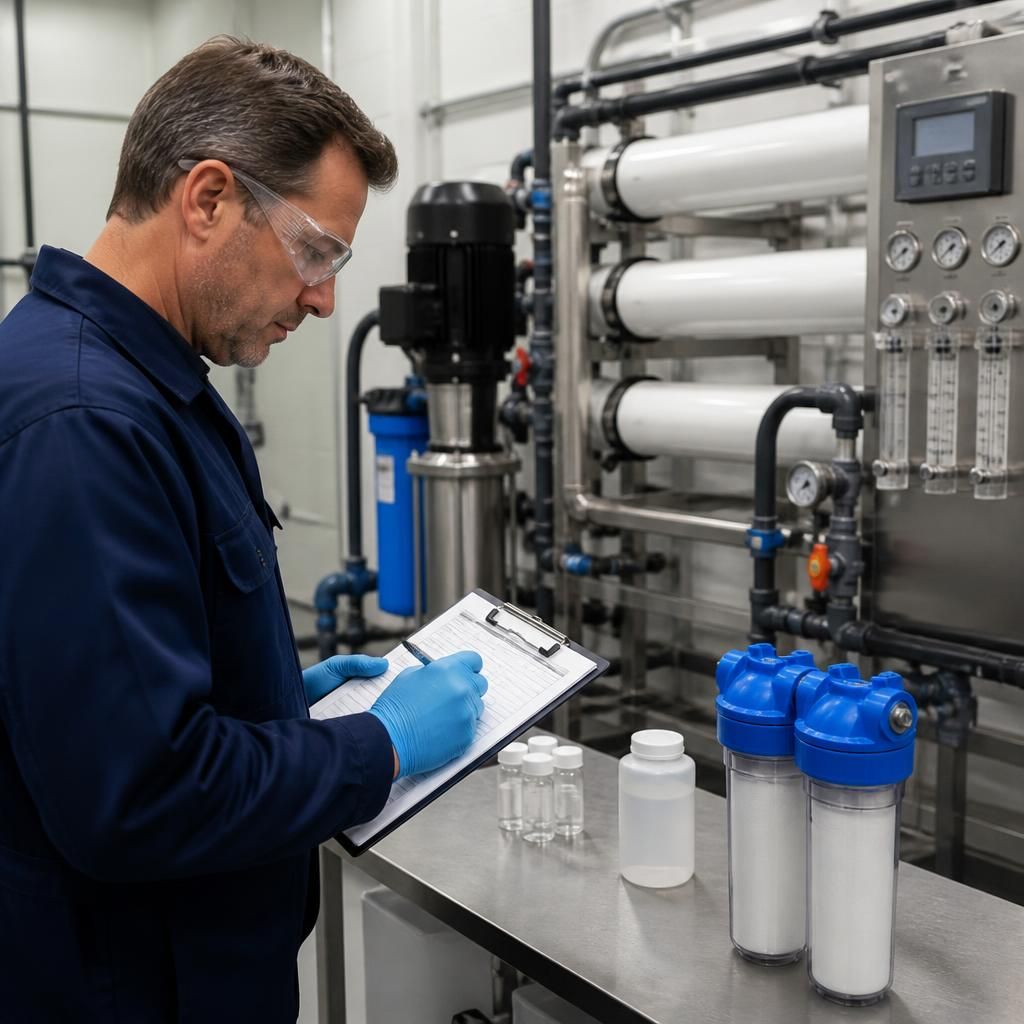
Compliance testing confirms the position of a water system against specified requirements at the time and conditions recorded. It does not transfer responsibility for managing the system or make ongoing routine checks unnecessary. The responsible person must still review the result alongside current operating conditions, maintenance information and any changes to the installation.
This distinction is particularly important when a report is used during an audit or contract review. The report should be read as evidence relating to a defined system, date, test method and acceptance criterion—not as a permanent declaration that every part of the water system remains compliant. Keeping that context with the result makes it clearer what was tested, what the finding demonstrates and what continued monitoring must cover.
Discuss your compliance testing requirements
If your site’s compliance testing requirements are unclear, discuss the system, its intended use and existing documentation with Blue Fish Water Management Ltd. This can help determine the appropriate testing scope and evidence for your water safety arrangements.