
When should organisations arrange UKAS water testing for cylinder systems?
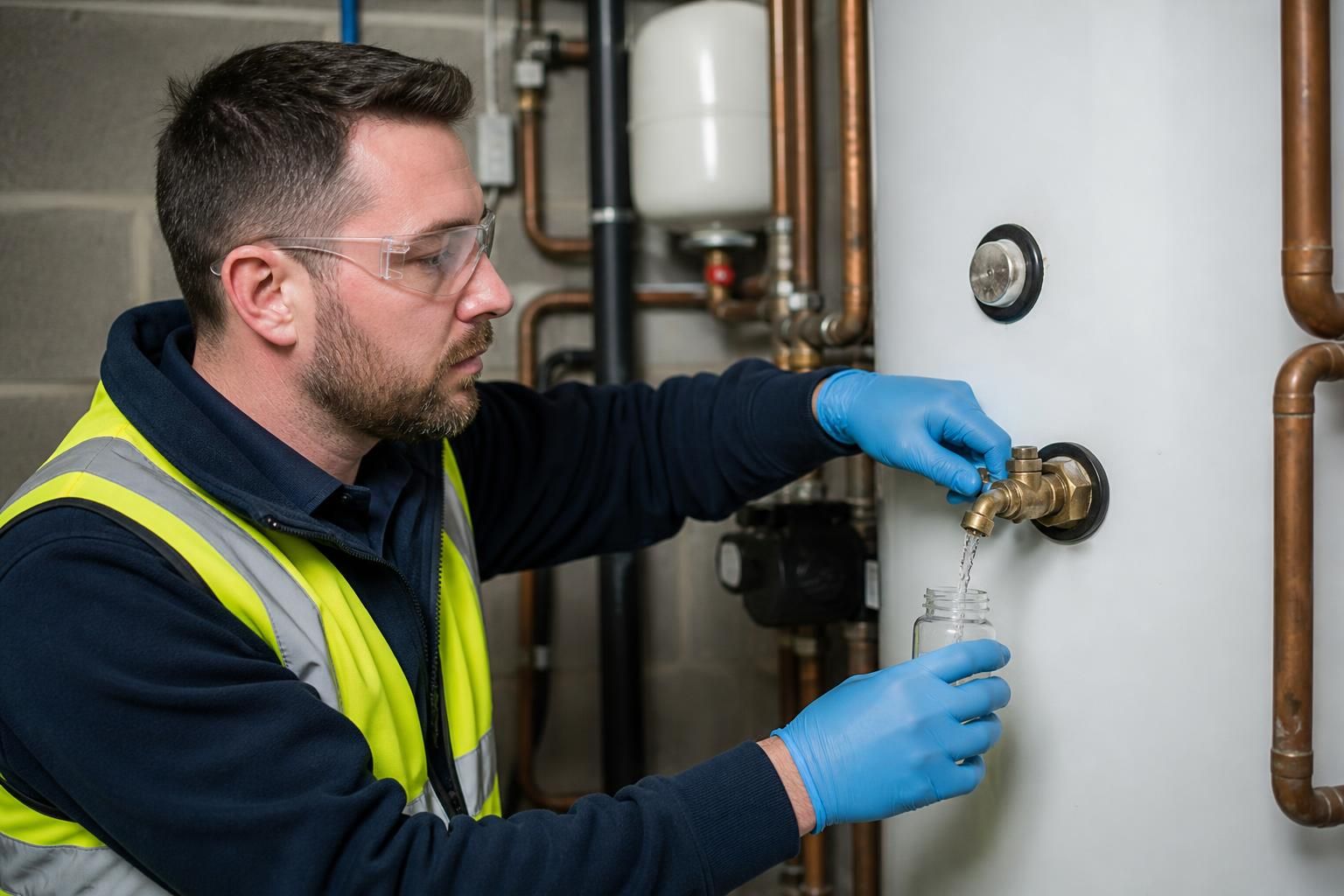
The timing of UKAS water testing for a cylinder system should be determined by the system’s assessed risk, operating condition and control plan, rather than by a fixed calendar date alone. Testing is most useful when it answers a defined question about whether Legionella controls are effective or whether a change in risk requires further evidence.
Use the risk assessment to set the testing rationale. The assessment should consider the cylinder arrangement, storage volume, temperature performance, distribution network, outlets, areas of low or intermittent use, and the people who may be exposed. Larger or more complex systems, premises with vulnerable occupants and systems with a history of control difficulties may require a more structured sampling approach than a simple, stable installation.
Testing should be planned alongside other control measures. Temperature checks, inspection, cleaning, flushing and maintenance provide operational evidence about the system. A laboratory result is one part of that evidence; it does not replace routine monitoring or demonstrate safe management on its own. The sampling frequency and locations should therefore be documented in the written control scheme, with a clear reason for changing them.
Consider testing when the condition or use of the system changes. Examples include:
- reoccupation after a prolonged period of low or no use;
- a substantial change in occupancy, building use or the pattern of hot-water demand;
- persistent difficulty maintaining the required control temperatures;
- evidence of stagnation, poor circulation, dead legs or low-use outlets; and
- an incident, complaint or other indication that warrants independent microbiological evidence.
These circumstances do not automatically mean that a sample is required. The responsible person should first review the risk assessment and available monitoring records, then decide whether testing will help establish the condition of the system or verify corrective action. Sampling without a defined purpose can produce results that are difficult to interpret and may not represent normal system operation.
Allow time for a representative sampling plan. The person arranging the work should identify the relevant cylinder, associated outlets and any points that may help distinguish a storage issue from a distribution issue. Samples should be taken by a competent person using suitable procedures, recorded with the location and collection details, and transferred to a UKAS-accredited laboratory operating within the relevant scope. The laboratory requirement should be confirmed before collection so that the requested analysis matches the management question.
Where results are required for a compliance review, contract handover or audit, arrange the work early enough for the report to be assessed and any necessary response to be documented. The organisation should retain the laboratory report with the risk assessment, monitoring records and maintenance history. This creates an auditable link between the reason for testing, the points sampled and the decision taken afterwards.
Review the schedule whenever the risk profile changes. A routine arrangement that was appropriate for one phase of a building’s operation may no longer be suitable after changes in occupancy, use, equipment, water demand or control performance. Conversely, a stable system with consistent monitoring may not require unnecessary additional laboratory samples. The responsible person should record the decision, including why testing was arranged, deferred or repeated, and ensure that the control scheme remains consistent with current guidance and the findings of the legionella risk assessment.
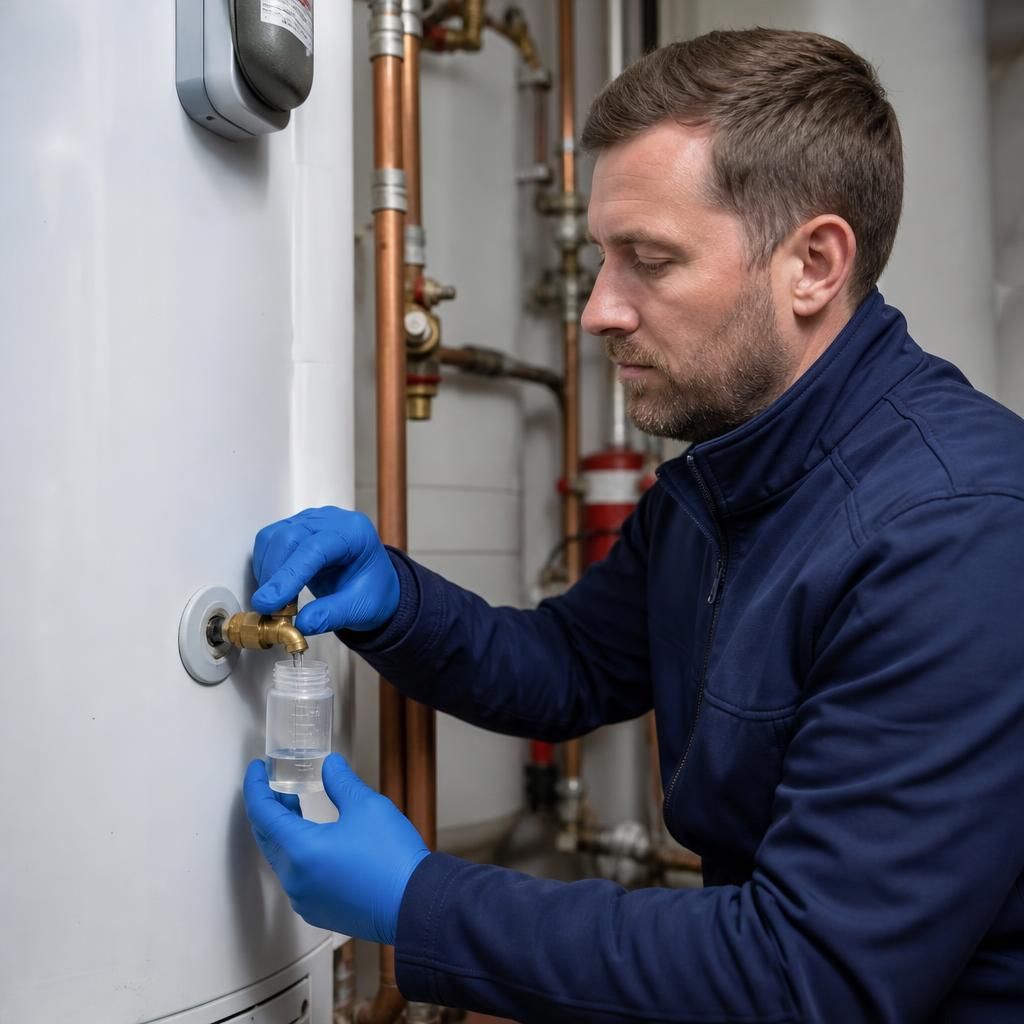
After remedial work, the timing of UKAS water testing for a cylinder system depends on whether the sample is investigating a problem or verifying that corrective action has worked. An investigative sample may be required while abnormal conditions are still present, whereas a verification sample is generally more meaningful once the agreed intervention has been completed and the system is operating under its normal control conditions.
Before arranging verification testing, confirm that any required cleaning, disinfection, temperature adjustment, circulation work or outlet management has been completed and recorded. The sampling plan should then identify points that can show whether the corrective action has addressed the relevant part of the system, rather than simply providing a result from a convenient outlet. The reason for the sample and the conditions at the time of collection should be included with the laboratory report so that the result can be assessed in context.
Discuss Your Cylinder Water Testing Requirements
Discuss your cylinder system with Blue Fish Water Management Ltd to identify whether UKAS water testing is appropriate and what evidence your control scheme should document. Our team can advise on a practical sampling approach based on your legionella risk assessment and system requirements.