
What does UKAS water testing examine in hot water cylinder systems?
UKAS water testing examines water samples from hot water cylinder systems for Legionella and other microbiological indicators associated with water hygiene. The results are considered alongside system information, particularly storage and distribution temperatures, to identify conditions that may support bacterial growth and require action.
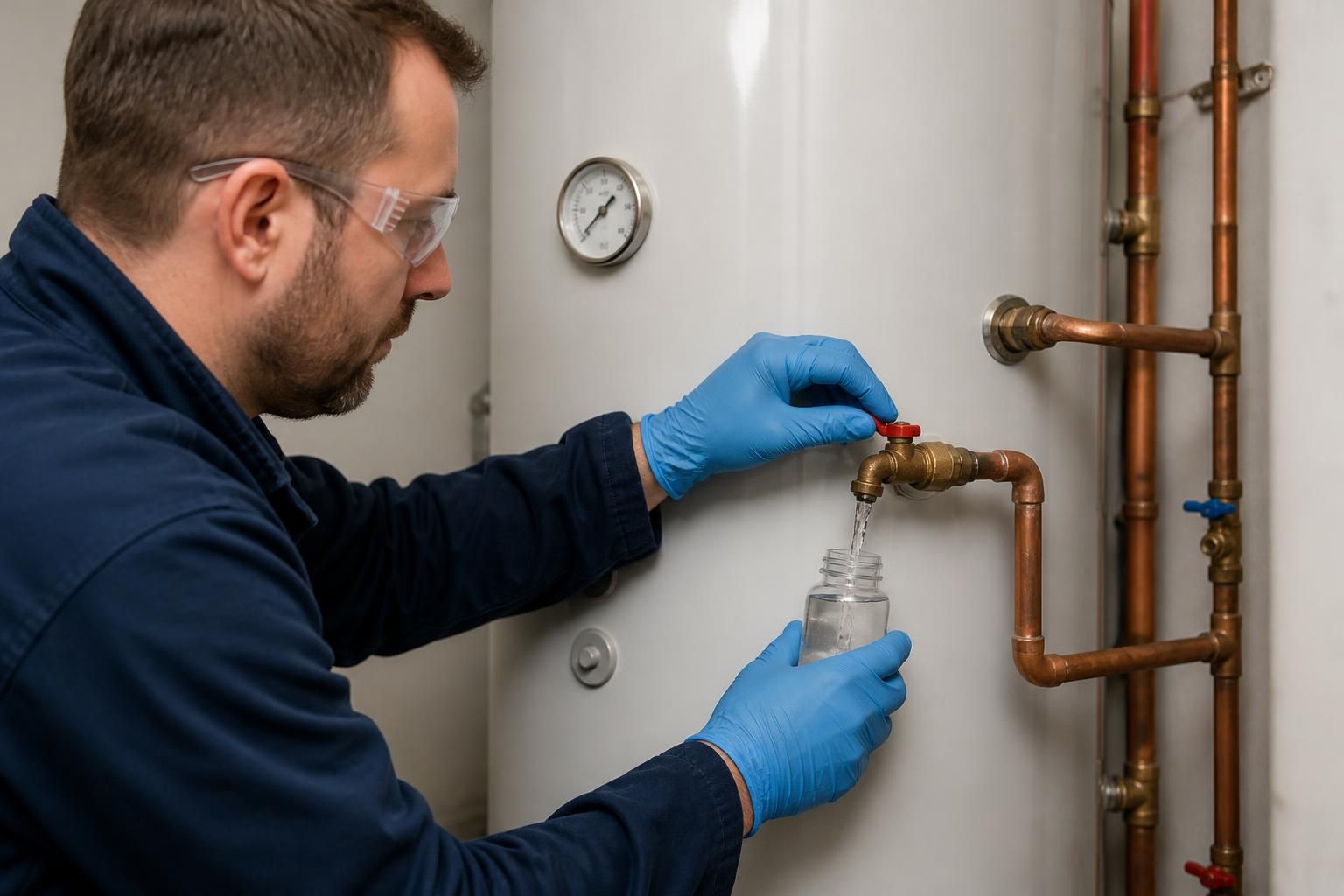
UKAS water testing for a hot water cylinder system examines a collected water sample for specified microbiological hazards and indicators, with particular attention to Legionella. The laboratory analyses the sample using an accredited method and reports whether the organisms tested for were detected, and where applicable, the measured concentration or reporting category.
Legionella analysis is usually the central purpose of testing in a system where stored and circulated hot water could provide suitable conditions for growth. Depending on the laboratory’s accredited scope and the brief for the work, analysis may distinguish Legionella pneumophila from other Legionella species or report Legionella more broadly. The result can therefore show whether Legionella was detected in the submitted sample, rather than simply confirming that a cylinder contains hot water.
Testing may also examine supporting microbiological indicators. These can help show whether the water contains broader signs of contamination or microbial activity, but they do not by themselves prove the presence or absence of Legionella. The exact panel should be confirmed before sampling because a UKAS-accredited laboratory is accredited for particular methods and tests, not for every possible analysis.
- Target organisms: the organisms specified in the sampling brief, which may include Legionella and particular Legionella groups.
- Indicator organisms: additional microbiological parameters used to provide context about water quality and possible contamination.
- Reported result: whether the target was detected and, where the method allows, the level found or the applicable reporting limit.
- Sample quality information: observations such as unsuitable volume, leakage, damage, excessive delay or other factors that could affect whether the laboratory can process the sample reliably.
A laboratory result does not normally measure every condition within the cylinder system. Temperature, for example, is principally assessed during site checks and system monitoring. Stored-water temperature, outlet temperature, return temperature, circulation performance and the time taken to reach the required temperature provide important context for the laboratory finding, but they are not substitutes for microbiological analysis.
The sample also represents the location and conditions at the time it was taken. A result from a cylinder outlet cannot automatically describe every branch, terminal fitting, dead leg or return pipe connected to the system. Sampling plans should therefore reflect the system layout, the cylinder’s role, areas of low use and any points identified through the risk assessment. Where the system is complex, more than one sample may be needed to distinguish a localised finding from a wider issue.
Sample handling is part of the examination process. The container, sampling technique, preservation, transport and time between collection and analysis can all affect the validity of a result. Samples should be collected in accordance with the laboratory’s instructions, correctly identified and accompanied by relevant details such as the sampling point, date, system description and any treatment in operation. An apparently negative result has limited value if the sample was compromised or did not represent the area of concern.
UKAS accreditation indicates that the laboratory’s specified method and associated quality arrangements have been assessed against the relevant accreditation requirements. It does not mean that the test predicts future bacterial growth or replaces a legionella risk assessment. The result must be considered with system design, control measures, maintenance records, temperature observations, previous results and any changes to use or operation.
Where Legionella is detected, the appropriate response depends on the result, sampling context and risk assessment. Organisations may need to verify the finding, review control measures, investigate the affected parts of the system and take proportionate remedial action. A competent water hygiene professional can help connect the laboratory report to the cylinder system’s operating conditions without treating one sample as a complete diagnosis of the installation.
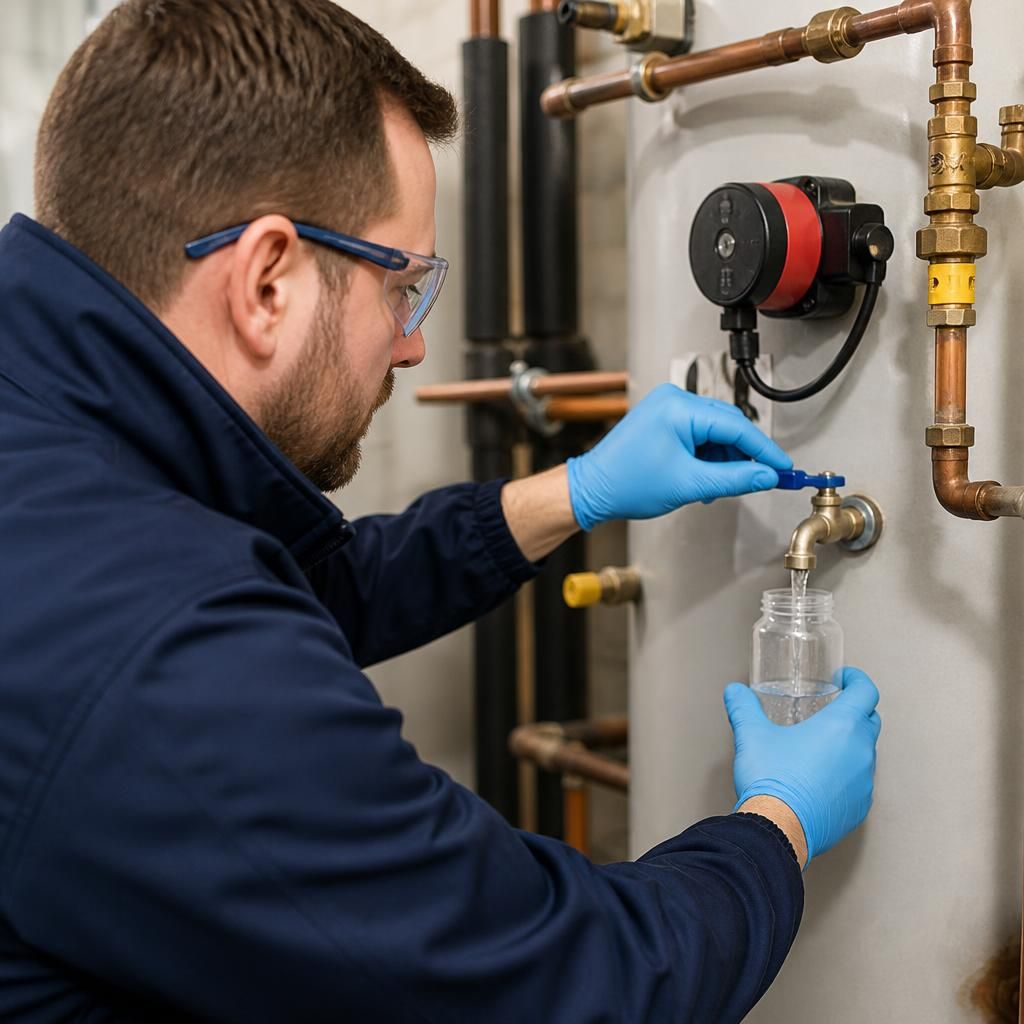
A UKAS laboratory report should be read against the method’s reporting limit. “Not detected” means the target organism was not identified at or above the level that the approved method can report; it does not prove that the water contains no organisms at all. Where Legionella is detected, the report may state a concentration, reporting category or other result format specified by the method.
The report should also identify the sample reference, collection point, collection date, test performed and laboratory method. These details allow the result to be matched to the correct hot water cylinder and sampling record. If a result, unit or reporting term is unclear, it should be clarified with the laboratory or the competent water hygiene professional interpreting the findings.
Discuss Your Hot Water Cylinder Testing Requirements
Discuss your hot water cylinder testing requirements with Blue Fish Water Management Ltd to identify an appropriate sampling brief and laboratory analysis for your system. Their team can help relate the proposed testing to your organisation’s water safety arrangements.