
What are the risks of neglecting water tank cleaning?
Neglecting water tank cleaning allows sediment, biofilm and other contamination to accumulate, creating conditions that can support Legionella growth and compromise water quality. It can also leave businesses with poorly controlled water systems, potential compliance failures and more extensive remedial work when contamination or defects are eventually identified.
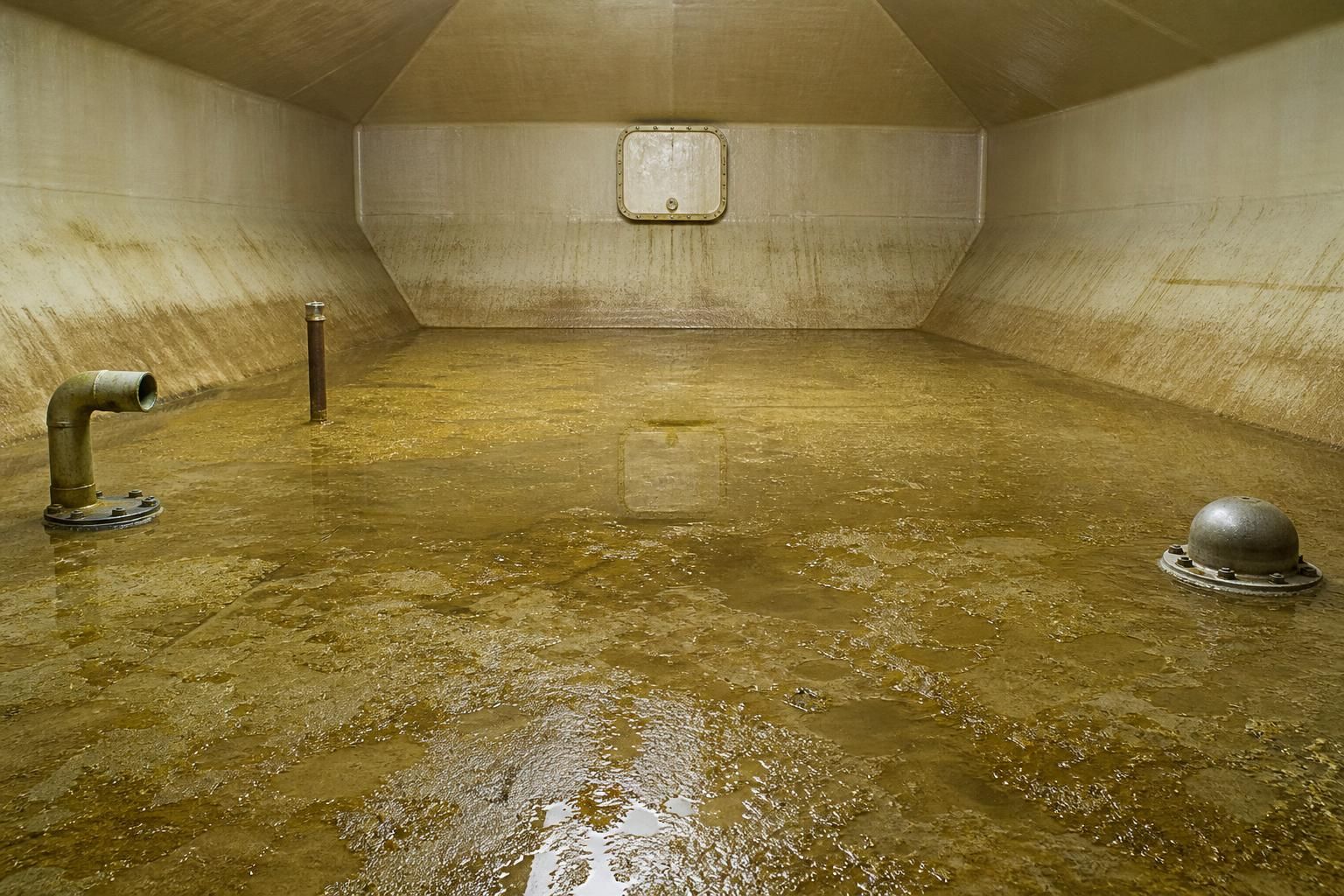
Neglecting water tank cleaning can put occupants’ health, water quality, equipment reliability and business continuity at risk. The consequences are not limited to an untidy tank: unmanaged deposits and contamination can affect the stored water, connected pipework and the mechanical components that depend on a clean, correctly managed supply.
One significant risk is the spread of contamination into the distribution system. Water leaving a storage tank may carry particulate matter, microorganisms or unpleasant tastes and odours into outlets, showers and process equipment. In premises such as care settings, healthcare facilities, hotels, schools and workplaces, this can create a greater concern because many people may be exposed through drinking, washing or inhaling fine water droplets.
Water quality problems can also affect operations. Deposits may enter valves, strainers, pumps and thermostatic equipment, causing restriction, sticking or premature wear. Reduced flow, unreliable pressure and blocked components can interfere with washing facilities, production processes, fire protection arrangements or other systems supplied from the tank. If contamination reaches downstream equipment, cleaning may need to extend beyond the tank itself.
A poorly maintained tank may deteriorate physically as well as hygienically. Persistent moisture, deposits and corrosion can obscure defects in the tank, support structure, access cover, connections or internal coatings. Cracks, failed seals and damaged fittings can allow ingress of dirt, insects or other foreign material. They may also contribute to leaks or an uncontrolled loss of stored water. A cleaning visit that includes a suitable visual inspection can therefore identify asset defects that routine operation does not reveal.
Neglect can make corrective work more complicated. Where deposits have hardened or contamination has remained undisturbed, removing it may require additional isolation, access equipment, specialist cleaning methods or repairs to affected components. The tank may need to be taken out of service for longer, with temporary arrangements considered for the connected premises. Cleaning alone may not resolve a problem if the underlying cause is poor tank design, dead-leg pipework, inadequate turnover, unsuitable temperature control or a damaged component.
There is also a risk that the business cannot demonstrate effective control of its water system. Records should show what was inspected, what work was carried out, whether defects were found, and what follow-up actions were required. In a managed premises, these records support the responsible person’s water safety arrangements and help contractors, facilities teams and auditors understand the condition of the system. A missing or incomplete history makes it harder to establish whether cleaning frequencies remain appropriate.
The likelihood and consequence of these problems depend on the system’s design and use. Relevant factors include:
- the age, condition and construction of the tank;
- the quality and temperature of the stored water;
- how frequently water is drawn and replaced;
- whether the tank is correctly covered and protected from ingress;
- the number and vulnerability of people exposed; and
- previous inspection, cleaning, sampling and maintenance findings.
For that reason, cleaning should form part of a risk-based water hygiene programme rather than being treated as an isolated task. A competent assessment should establish the appropriate inspection and cleaning interval, while monitoring and testing can help identify changes between planned visits. Sampling can provide useful evidence about water quality, but it does not replace physical inspection and cleaning where deposits, defects or contamination are present.
Professional work normally involves reviewing the system, isolating and draining the tank safely, removing deposits, cleaning accessible surfaces, inspecting the tank and associated fittings, disinfecting where required, refilling under controlled conditions and recording the results. Any defects or water quality concerns should be reported with clear recommendations, rather than concealed by cleaning alone. For higher-risk or complex premises, businesses may also use UKAS-accredited water testing as part of their wider verification arrangements.
Acting before a tank becomes heavily contaminated or structurally compromised generally gives the responsible person more control over the work required. The key question is not simply whether the tank looks dirty, but whether its condition, use and inspection history demonstrate that stored water remains safely managed and suitable for the activities it supports.
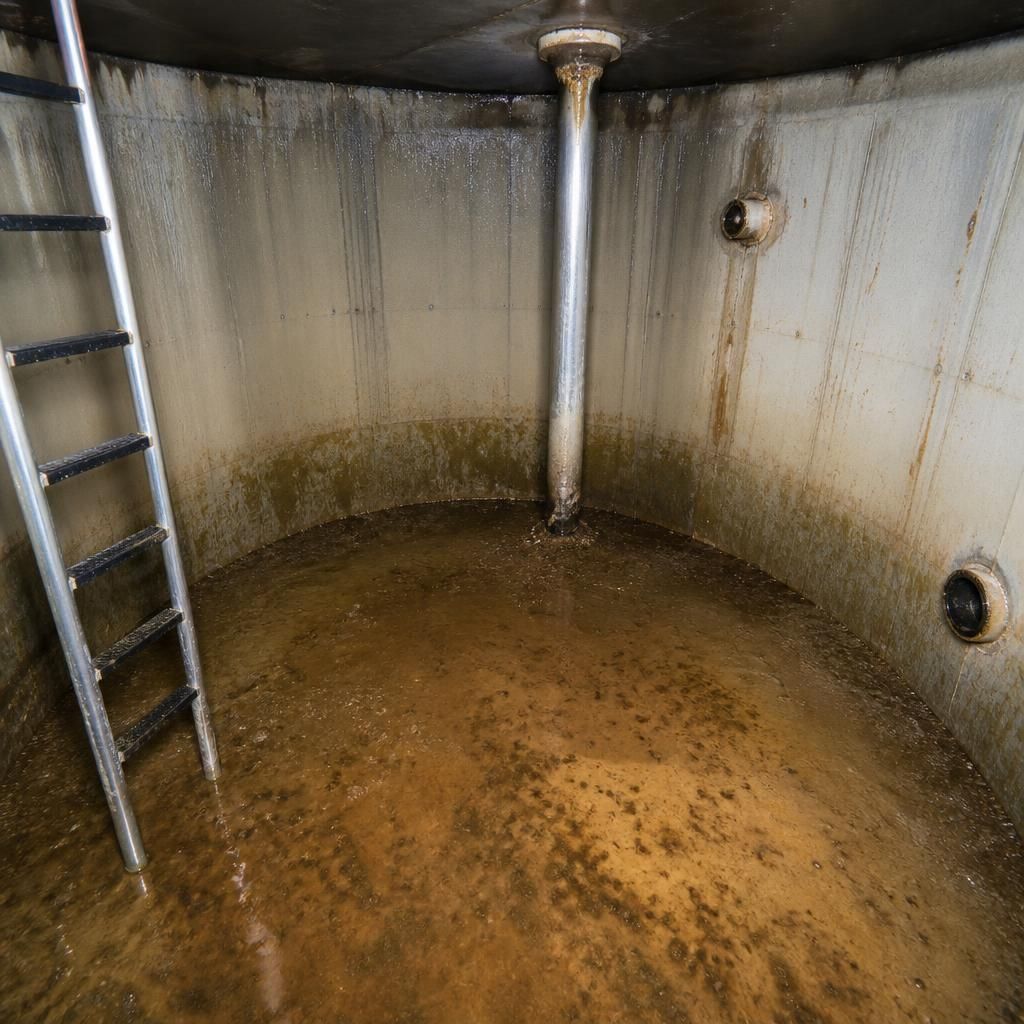
A clear water sample does not necessarily show that a neglected storage tank is free from risk. Sampling represents conditions at a particular time and outlet, whereas sediment, deposits and biofilm can remain attached to the tank or internal fittings. Contamination may therefore be intermittent, becoming more apparent when deposits are disturbed, water demand changes or parts of the system are brought back into use.
Physical inspection and cleaning provide evidence that cannot be obtained from sampling alone. They allow the condition of the tank base, surfaces, access cover and fittings to be assessed, while identifying material that could continue to affect water quality. For this reason, test results should be interpreted alongside inspection findings and the system’s maintenance history, rather than used as the sole basis for deciding that cleaning is unnecessary.
Assess the Risks of Neglecting Water Tank Cleaning
If you are reviewing your water system’s maintenance arrangements, discuss the tank’s condition and cleaning requirements with Blue Fish Water Management Ltd to establish an appropriate next step.