
Who remains responsible for a water tank after relining?
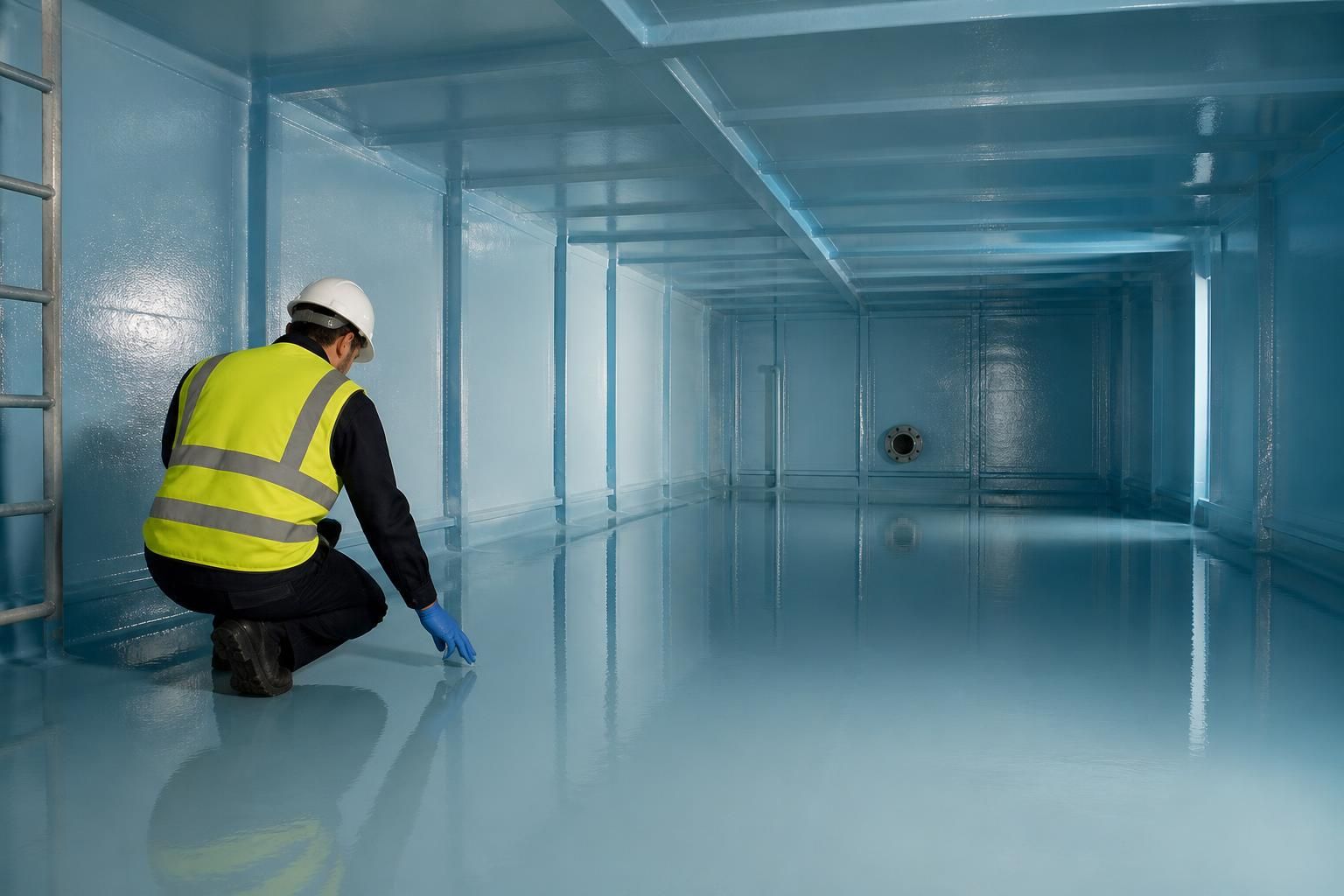
Relining is a remedial intervention, not a transfer of responsibility. Once the work is complete, the relevant duty holder must still ensure that the tank, the water system it serves and the surrounding management arrangements remain safe and properly controlled. The contractor’s responsibility is focused on the work it has undertaken and the standard of its design, preparation, materials, installation and completion.
In practice, responsibility should be separated into three areas:
- Premises and system management: The owner, landlord, employer or other person in control of the premises must manage risks associated with the stored water and connected distribution system. Where a building is occupied by a tenant, responsibilities may be divided by the lease or service agreement, but those arrangements should be explicit rather than assumed.
- Relining workmanship: The contractor should complete the agreed scope competently, use suitable materials and follow the specified preparation, application, curing and inspection procedures. It should also identify any limitations, exclusions or defects that could affect the finished tank.
- Ongoing verification: The duty holder must check that the completed work is suitable for the intended service and incorporate the tank into the site’s water hygiene and maintenance regime. This includes retaining relevant records and acting on findings from inspections, monitoring or testing.
A handover should provide enough evidence for the duty holder to demonstrate what has been done and what remains to be managed. Depending on the project, this may include the scope of works, tank identification, preparation and coating details, product information, curing or reoccupation requirements, inspection results, photographs, repair records and any recommendations for future checks. The handover should also record areas that were inaccessible, excluded from the work or requiring further attention.
The duty holder should not treat a completion statement as proof that no further risk exists. Relining can restore the integrity of a tank, but it does not by itself control conditions that support bacterial growth. Tank covers, insulation, inlet and outlet arrangements, access points, temperature control, stagnation, contamination, sediment and connected pipework still need to be considered. The system’s risk assessment should therefore be reviewed after the work, particularly where the tank’s use, condition or operating arrangements have changed.
Routine management may include visual inspections, checking the condition of the lining and tank fittings, confirming that access remains secure, monitoring relevant water conditions and arranging sampling where the risk assessment indicates it is necessary. Records should show the inspection date, the person who carried it out, the findings, any remedial action and the date on which outstanding issues were closed. The frequency and extent of these activities should be determined by the system’s risk profile, not by the fact that relining has recently taken place.
Responsibility also applies when a defect becomes apparent. The duty holder should report suspected failure, damage, contamination or deterioration to the appropriate contractor or competent water hygiene professional, assess whether the tank can continue operating safely and take proportionate interim measures. The relining contractor may be responsible for correcting defective workmanship or materials where this falls within the contract, but the site’s duty holder remains responsible for managing the risk while the issue is investigated.
Before appointing a relining contractor, the organisation should define responsibilities in writing. The contract should state who will isolate and drain the tank, who will inspect the substrate, how defects outside the original scope will be handled, what acceptance criteria apply, what documentation will be supplied and who will reinstate the tank into service. It should also distinguish project obligations from the site’s continuing water hygiene duties.
Where the organisation lacks the necessary competence, it can appoint a suitably competent person or specialist company to carry out inspections, risk assessments, testing or monitoring. Delegating tasks does not remove the need for appropriate oversight. The person in control should understand the arrangement, provide access and information, review reports and ensure that recommended actions are completed.
For that reason, the most useful question at handover is not simply whether the tank has been relined. It is whether the completed work has been verified, the remaining risks have been understood and a documented inspection and water hygiene regime is in place. Those checks establish how the tank will remain safe after the contractor’s project has ended.
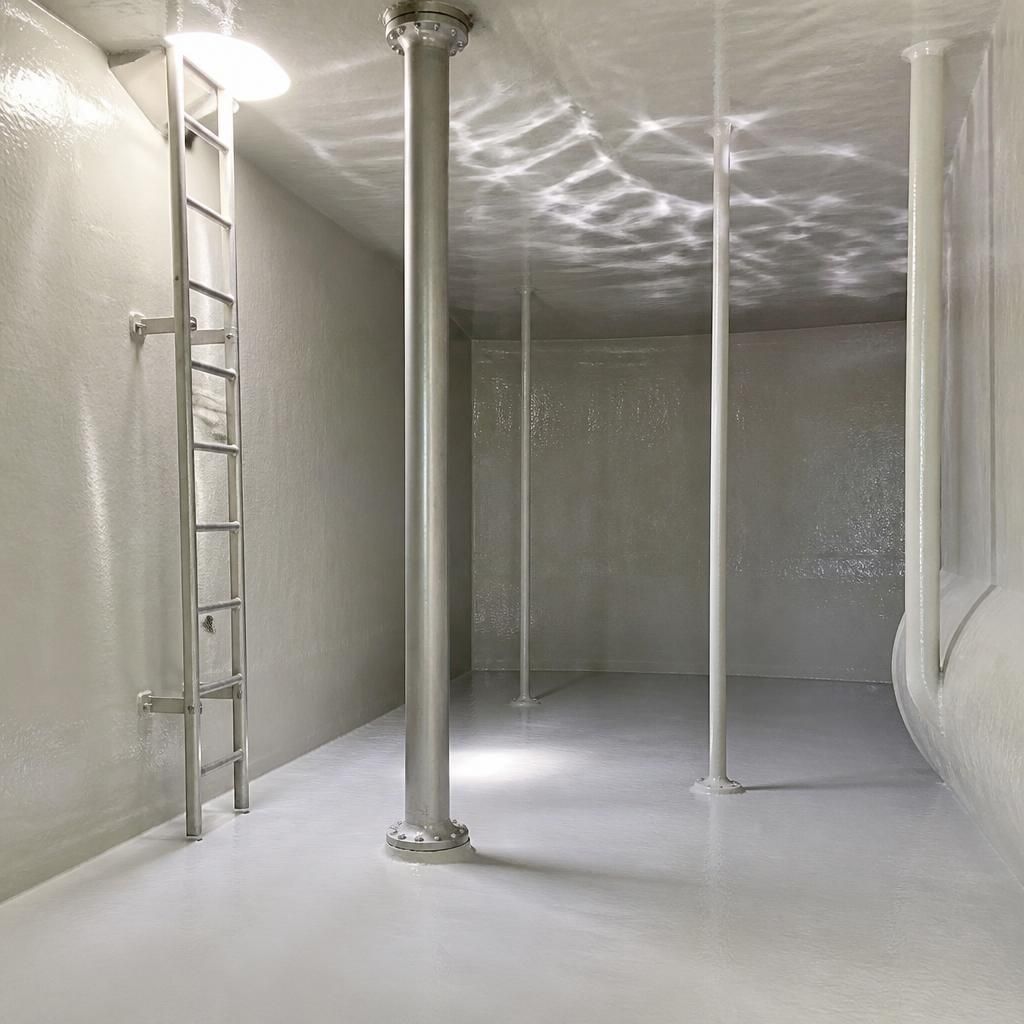
If ownership, occupation or facilities management changes after relining, responsibility should be transferred formally rather than assumed. The incoming person or organisation in control should receive the tank records, understand any restrictions or outstanding actions, and confirm who is responsible for future management. The outgoing duty holder should retain evidence of the handover. A change in landlord, tenant or managing agent does not remove the need for continuous control of the tank and its associated water system.
Get advice on water tank responsibilities after relining
If you need to clarify the condition, documentation or future management requirements for a relined water tank, speak to Blue Fish Water Management Ltd for practical guidance on the appropriate next steps.