
What affects the lifespan of a refurbished water tank?
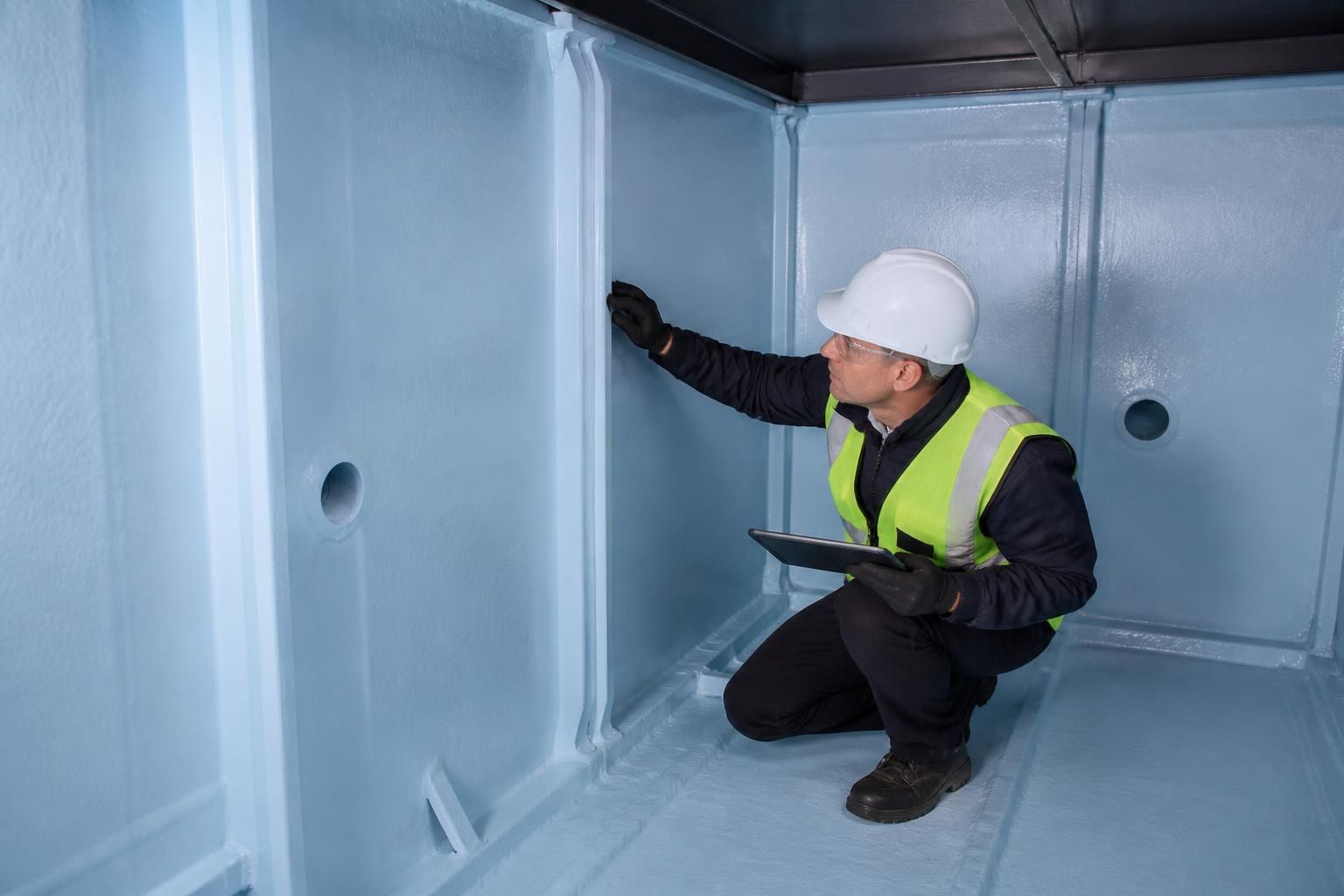
A refurbished water tank does not have a fixed lifespan. Its serviceable life depends on how well the refurbishment matches the tank’s construction and duty, whether the original structure remains sound, and how consistently the tank is inspected, cleaned and maintained after the work.
The quality and suitability of the refurbishment system are central. Relining materials must be compatible with the tank substrate, the stored water and the operating conditions. The preparation of the surface is equally important: contamination, loose material, corrosion products or trapped moisture can prevent reliable adhesion and create weaknesses beneath the new lining. Correct application, curing and inspection of the completed coating help reduce the risk of blistering, delamination, pinholing or premature failure.
The condition of the tank shell continues to matter after refurbishment. A lining can restore a hygienic internal surface, but it does not automatically correct structural defects, distorted panels, weakened supports, defective joints or movement in the tank. Any such issues should be assessed and addressed as part of the refurbishment scope. The tank’s age, construction, previous repairs and evidence of ongoing corrosion should be recorded so that future inspections can distinguish normal ageing from developing defects.
Tank design and operating conditions can shorten or extend the useful life. Factors include:
- the material and construction of the tank;
- the size, shape and number of internal joints;
- water pressure, temperature and fluctuations in operating level;
- movement, vibration or loading around the tank;
- the quality of supports, access arrangements, covers and connections; and
- exposure to condensation, high humidity or a corrosive atmosphere.
Mechanical damage is a particular risk during installation, cleaning and maintenance. Tools, access equipment and temporary works can scrape or puncture a lining, while poorly supported pipework may place stress on tank connections. Covers and access points should be handled carefully, and any work inside or immediately around the tank should be controlled to prevent damage or contamination.
Water quality and system use also influence durability. Sediment, scale, aggressive water chemistry and contamination can place additional demands on the internal surface. Low-use tanks and sections with poor circulation may develop deposits or hygiene problems, while excessive turnover, frequent temperature changes or operational instability may increase wear. Maintaining appropriate water hygiene controls is therefore relevant not only to the condition of the lining but also to the safe operation of the overall storage system.
Maintenance should be planned rather than left until a defect is visible. Routine checks can identify changes in the tank surface, joints, fittings, supports, insulation, cover seals and surrounding area. Inspection findings should be documented, with defects categorised according to their effect on structural integrity, watertightness and water hygiene. Small defects may be easier to manage before they allow water ingress, corrosion or contamination to develop.
The inspection frequency should reflect the tank’s condition, location, use and risk assessment. A tank serving a critical building or containing water for a sensitive process may require more formal monitoring than a lower-risk installation. Records should normally include the refurbishment specification, preparation and application details, photographs, commissioning information, cleaning records, inspection reports and any repairs carried out.
When assessing whether a refurbished tank remains suitable, the key question is not simply how long ago the work was completed. The relevant evidence is the current condition of the lining and tank structure, the history of water quality and use, the effectiveness of maintenance controls, and whether any defects have been repaired appropriately. Where inspection reveals recurring deterioration or structural movement, further investigation may be needed rather than another local patch repair.
A competent water management provider can help establish a condition baseline after refurbishment and incorporate the tank into a documented inspection and maintenance programme. This gives the responsible person evidence for deciding when remedial work, further assessment or eventual replacement is necessary.
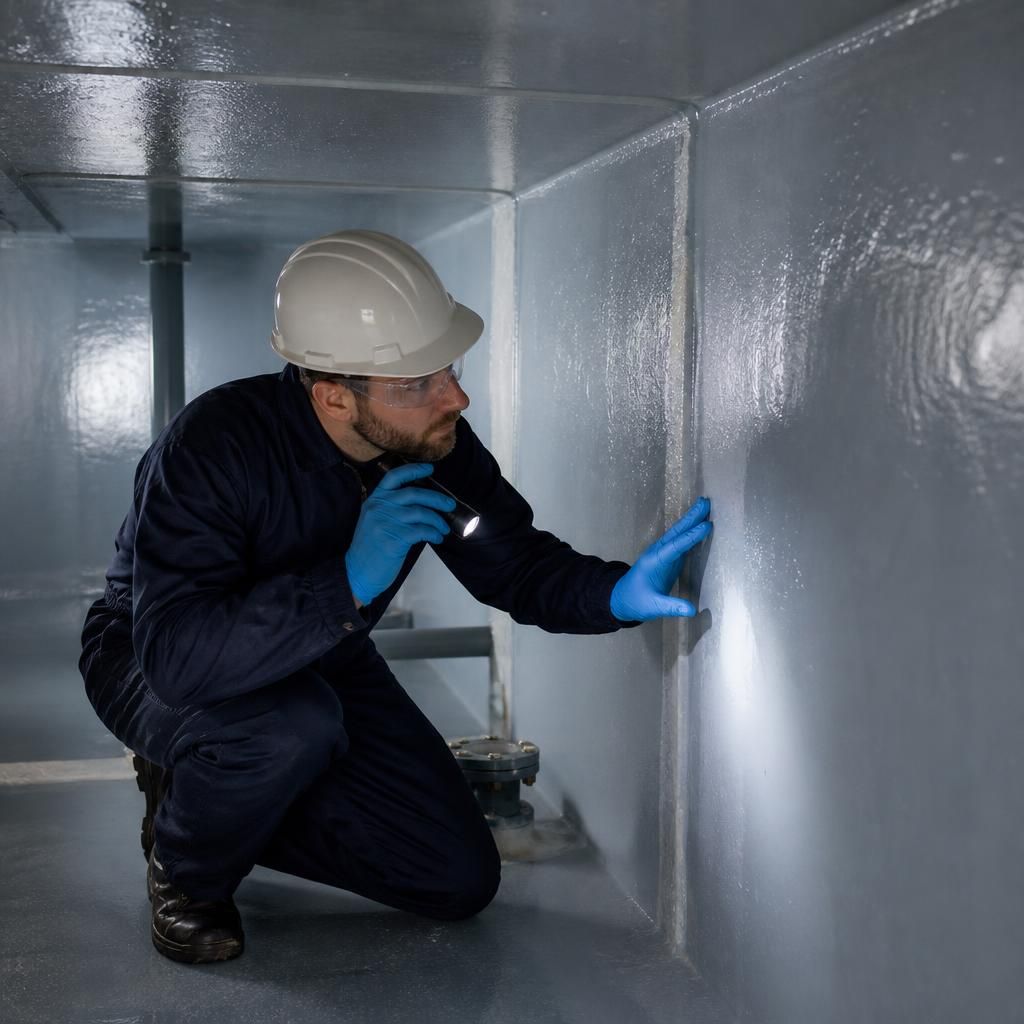
The cleaning and disinfection regime can affect how long a refurbished water tank remains serviceable. A lining may be suitable for normal stored water but vulnerable to particular chemicals, concentrations, contact times or cleaning methods if these are outside the refurbishment system’s specification.
Before planned cleaning or disinfection, the responsible person should confirm that the proposed process is compatible with the lining. Abrasive tools, aggressive chemicals and poorly controlled dosing can damage the surface, even where the tank structure itself remains sound. Cleaning records should identify the method used and any changes observed afterwards, helping future inspections distinguish coating deterioration from ordinary deposit build-up.
Assess Your Refurbished Water Tank’s Condition
If you need to establish whether a refurbished water tank remains suitable for service, arrange a documented condition assessment covering the lining, tank structure and associated controls. Blue Fish Water Management can help interpret the findings and identify whether monitoring, remedial work or further investigation is appropriate.