
How long does water tank refurbishment take?
Water tank refurbishment can take from a short planned intervention to a longer project, depending on the tank’s condition, size, access, system complexity and the remedial work required. The timeline should also allow for preparation, repairs, coating or lining cure times, cleaning, disinfection and any required water quality testing before the tank is returned to service.
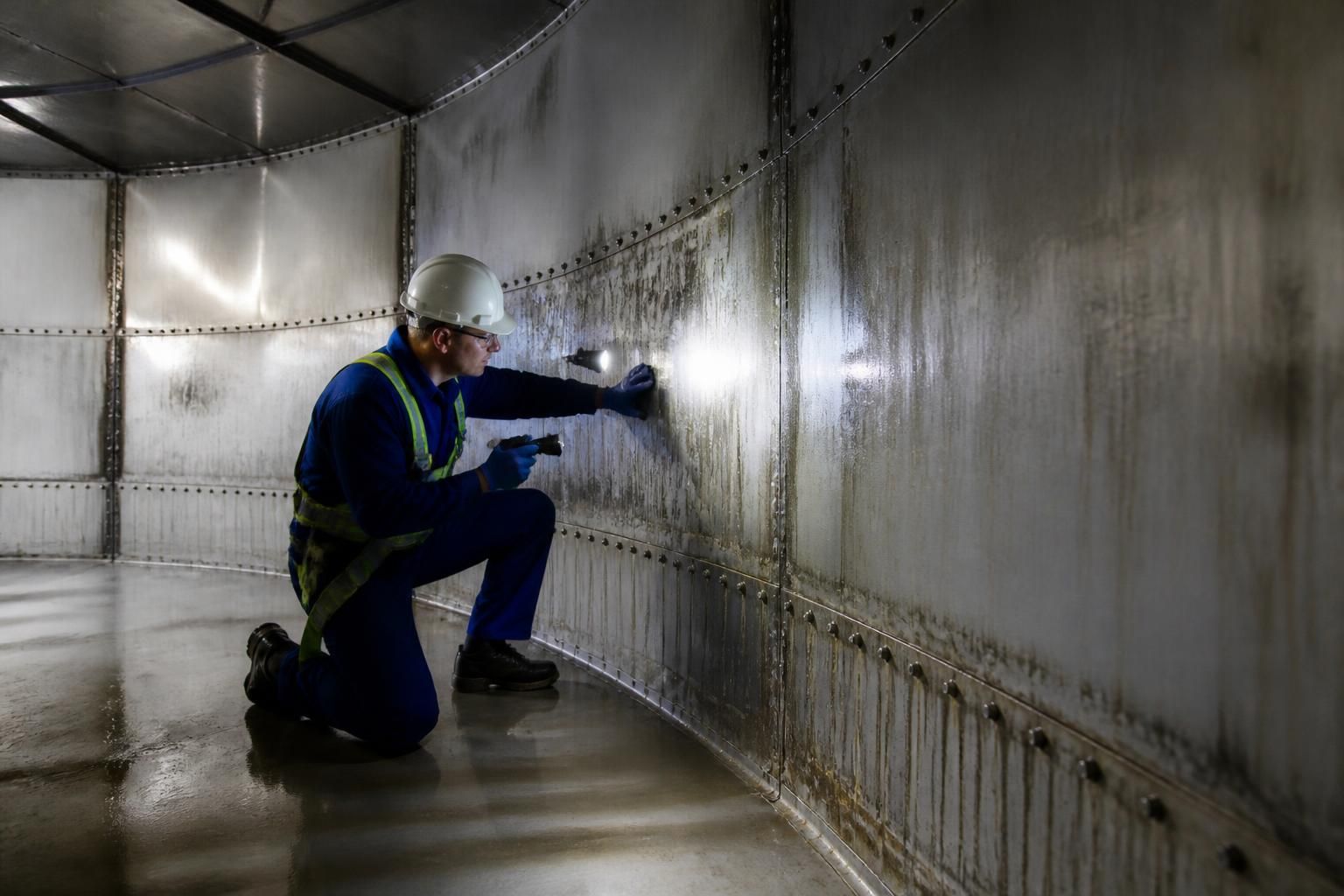
Water tank refurbishment has no fixed duration: the programme is set by the verified scope of work and the time needed for each material and safety control to be completed properly. A reliable completion date can usually be established only after inspection, because the tank may require additional preparation or repairs that are not visible from an initial review.
What happens before work starts
Planning can affect the overall programme as much as the physical refurbishment. The contractor should agree the method of work, isolation arrangements, access requirements and any controls needed to protect the building’s water supply. Where a site has several tanks or cannot tolerate a complete shutdown, the work may need to be sequenced in stages. This can make the calendar duration longer even when the work on each individual tank is straightforward.
The tank must normally be taken out of service and made safe before refurbishment begins. This may involve draining it, isolating connected equipment and arranging an alternative supply where the building’s operations require one. The condition of the tank and the surrounding installation should then be checked so that the planned work is suitable for the actual substrate and defects found.
Work that can affect the schedule
- Removing deposits, corrosion, failed coatings or other unsound material before the new system is applied.
- Repairing defects such as damaged surfaces, leaks, compromised joints or fittings.
- Allowing the substrate to reach the condition required by the specified repair or lining system.
- Applying protective materials in the correct sequence and at the required thickness.
- Allowing every coat, sealant or lining to cure fully before the tank is exposed to water.
- Carrying out additional work if inspection reveals defects that could not be confirmed beforehand.
Cure time is particularly important. It depends on the product specification and the conditions at the tank, including temperature, ventilation and surface condition. Refilling or disinfecting before the system has cured could damage the finish or affect water safety, so an experienced contractor should follow the manufacturer’s technical requirements rather than compressing the programme to meet an arbitrary date.
Completion and return to service
Refurbishment is not complete when the visible repair has finished. The tank and associated components need to be cleaned, disinfected and checked before being put back into operation. Water quality samples may then be required, with the tank remaining out of normal service until the agreed verification process has been completed. The final handover should record the work carried out, materials used, inspection findings, disinfection details and any test results relevant to the site’s water safety records.
For this reason, a planned intervention can be relatively simple where the tank is accessible, the scope is clearly defined and no significant defects are found. A project becomes more involved where preparation is extensive, several tanks must be managed in sequence, cure periods are lengthy or testing identifies a need for further investigation. The right measure of progress is therefore not just the time spent applying the repair, but whether the tank has passed each stage required for safe, compliant operation.
To plan accurately, the responsible person should provide information about the tank’s construction, connected systems, operating requirements and previous inspection records. The refurbishment contractor can then confirm the work sequence, identify dependencies and distinguish the period when the tank is physically under repair from the additional time needed for curing, disinfection, testing and documented handover.
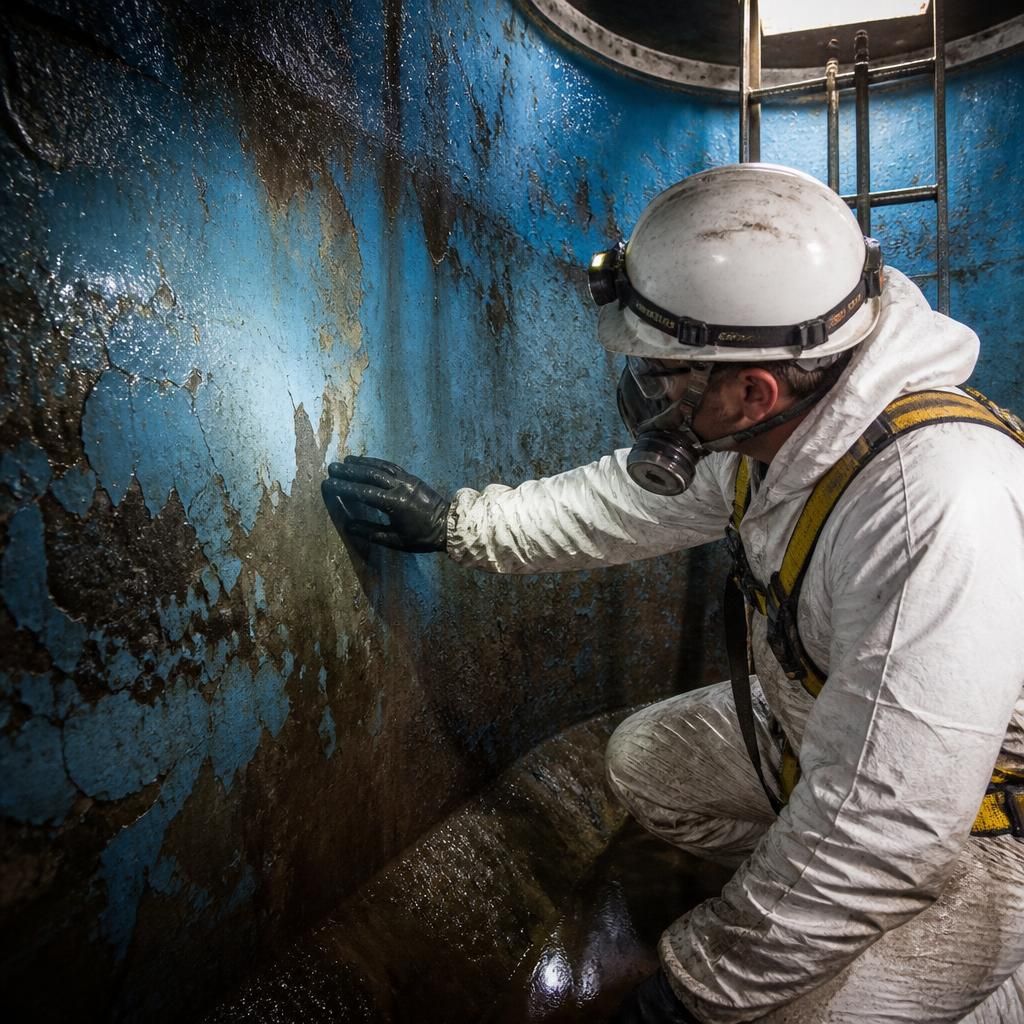
The time needed for water tank refurbishment can also be affected by how the tank is accessed. If internal entry is necessary, the work may require a confined-space assessment, suitable access equipment, atmospheric monitoring, permits and a rescue arrangement before technicians can begin. These controls are part of the refurbishment programme, not optional additions.
For that reason, a realistic estimate should distinguish between the physical repair and the preparatory controls needed to carry it out safely. A tank that can be inspected and treated from a suitable access point may involve a simpler arrangement, while restricted access or difficult working conditions can add planning and coordination time even where the repair itself is limited.
Plan your water tank refurbishment timeline
To establish a realistic refurbishment programme for your site, contact Blue Fish Water Management Ltd to discuss an inspection and scope review. This will help determine the work sequence, dependencies and requirements for returning the tank to service safely.