
When is water tank jetting unsuitable for the tank or its lining?
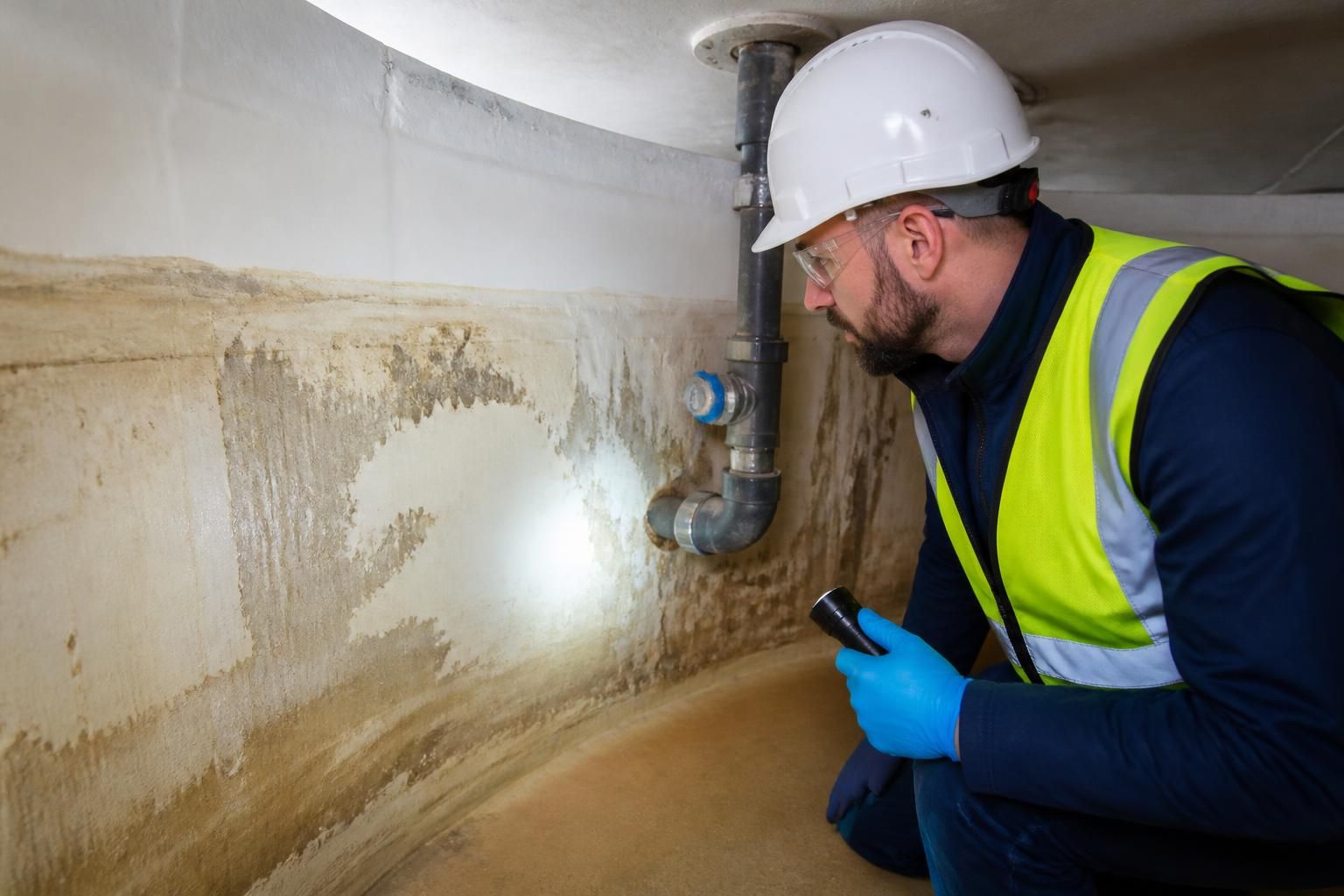
Water tank jetting is unsuitable where the tank or its lining cannot safely tolerate the selected pressure, impact or water volume. It should also be avoided when the tank has structural defects, failing protective surfaces, vulnerable fittings or contamination that could be spread rather than removed by high-pressure water. The correct method depends on the tank’s construction, lining, condition and intended use.
Situations in which jetting may be inappropriate include:
- Loose, blistered or delaminating linings: a jet can lift coating that is already detached, extend the damaged area or drive water behind the lining. This can leave concealed moisture and make later repairs more difficult.
- Cracked, corroded or weakened tank structures: pressure cannot restore structural integrity. It may remove protective corrosion products, enlarge weak areas or expose defects around seams, joints and penetrations.
- Ageing sealants and vulnerable joints: high-pressure water can erode degraded seals or force water through joints that were not designed to withstand direct impact.
- Fragile internal components: level controls, float-operated valves, screens, overflow arrangements, access covers and other fittings may be damaged by a concentrated jet, particularly at close range.
- Delicate coatings or specialist linings: the permissible cleaning pressure may be lower than the pressure needed to remove firmly attached deposits. Increasing pressure to compensate can cause more harm than the deposit itself.
- Tanks containing hazardous or heavily contaminated material: jetting can aerosolise contaminants, spread them to clean surfaces or create contaminated wastewater that requires controlled handling.
- Unstable access arrangements: if safe access, ventilation, isolation or drainage cannot be provided, the method is unsuitable regardless of how effective the jet might be on the tank surface.
Material alone does not determine whether jetting is safe. Two tanks made from a similar material may have different limits because of their age, wall thickness, lining system, previous repairs, nozzle distance and operating condition. A contractor should therefore identify the construction and lining specification where available, examine visible defects and establish the condition of fittings before selecting equipment or pressure.
The inspection should look for blistering, flaking, exposed substrate, rust staining, cracking, deformation, seepage, damaged welds and deterioration around inlets, outlets and overflow points. Any evidence that the tank is leaking or structurally compromised should be treated as a reason to stop and refer the defect for suitable remedial assessment. Cleaning should not be used to conceal a condition that could affect the tank’s serviceability or water safety.
Lower-impact methods may be more appropriate where the surface is sound enough to clean but too vulnerable for jetting. Depending on the tank and the deposit, options can include controlled low-pressure rinsing, soft manual brushing, wet vacuum removal or carefully managed spot cleaning. These methods can reduce the mechanical load on the lining and fittings, although they still require suitable isolation, access, hygiene controls and wastewater management.
Where the lining has failed, the practical solution may be to document the defect and arrange repair, relining or tank replacement rather than subjecting it to further pressure. The choice should consider the tank’s purpose, the condition of the stored water system, the extent of the damage and whether the tank can be returned to a hygienic condition after remedial work.
Jetting may also be unsuitable if the cleaning plan would compromise the wider water safety arrangements. The tank may need to be isolated from use, protected from recontamination and disinfected using a method appropriate to the system. Any required sampling should be planned after cleaning and disinfection, rather than assuming that a visually clean surface confirms satisfactory water quality.
A competent assessment should record the tank material, lining type where known, observed defects, proposed cleaning method, equipment controls, excluded areas and actions required if damage is found. It should explain why the chosen pressure and technique are compatible with the tank, rather than treating high pressure as the default solution. Blue Fish Water Management can support businesses with water hygiene assessment, water testing, compliance advice and remedial planning where the condition of a tank affects the appropriate cleaning approach.
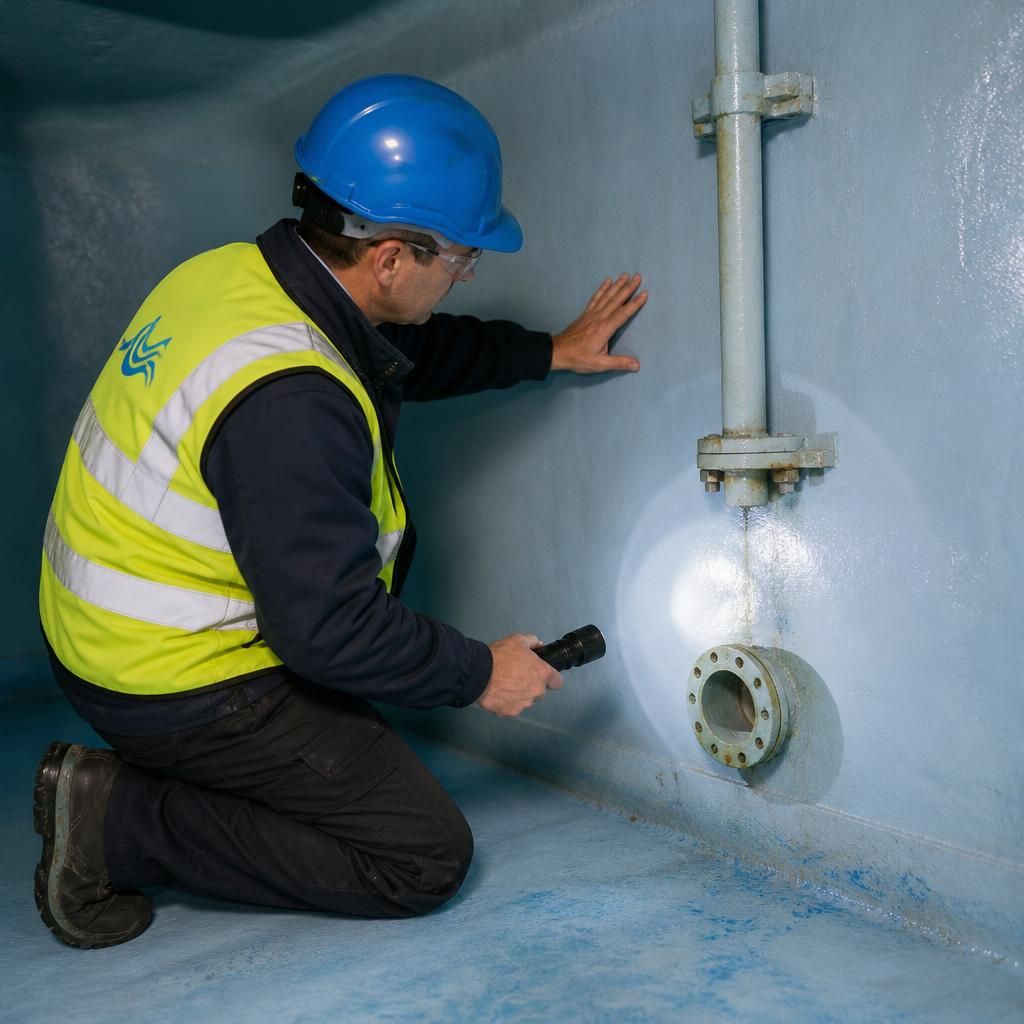
Jetting should be treated as unsuitable when the lining’s cleaning limits cannot be established. A tank may appear sound while its coating has an age-related loss of adhesion or a previous repair with different resistance to impact. In that situation, selecting pressure by material type alone is unreliable.
Existing tank records, lining specifications and previous repair information should be checked before cleaning. If those details are unavailable, the safer approach is to use the least aggressive method capable of removing the deposit and to reassess the surface during the work. Any change in texture, colour, adhesion or coating continuity should prompt the work to stop and the lining condition to be reviewed before further cleaning.
Discuss your tank’s cleaning suitability
If you are unsure whether your tank or lining can tolerate jetting, discuss its condition and cleaning requirements with Blue Fish Water Management. Their team can help identify a suitable approach and any remedial planning needed before work begins.