
What information should a business provide before water tank pressure washing?
Before water tank pressure washing, provide the tank’s location, dimensions, access arrangements, system purpose, construction details and any available inspection or cleaning records. Also disclose known defects, contamination concerns, isolation arrangements, surrounding hazards and site requirements so the specialist can plan the work safely and determine the appropriate method.
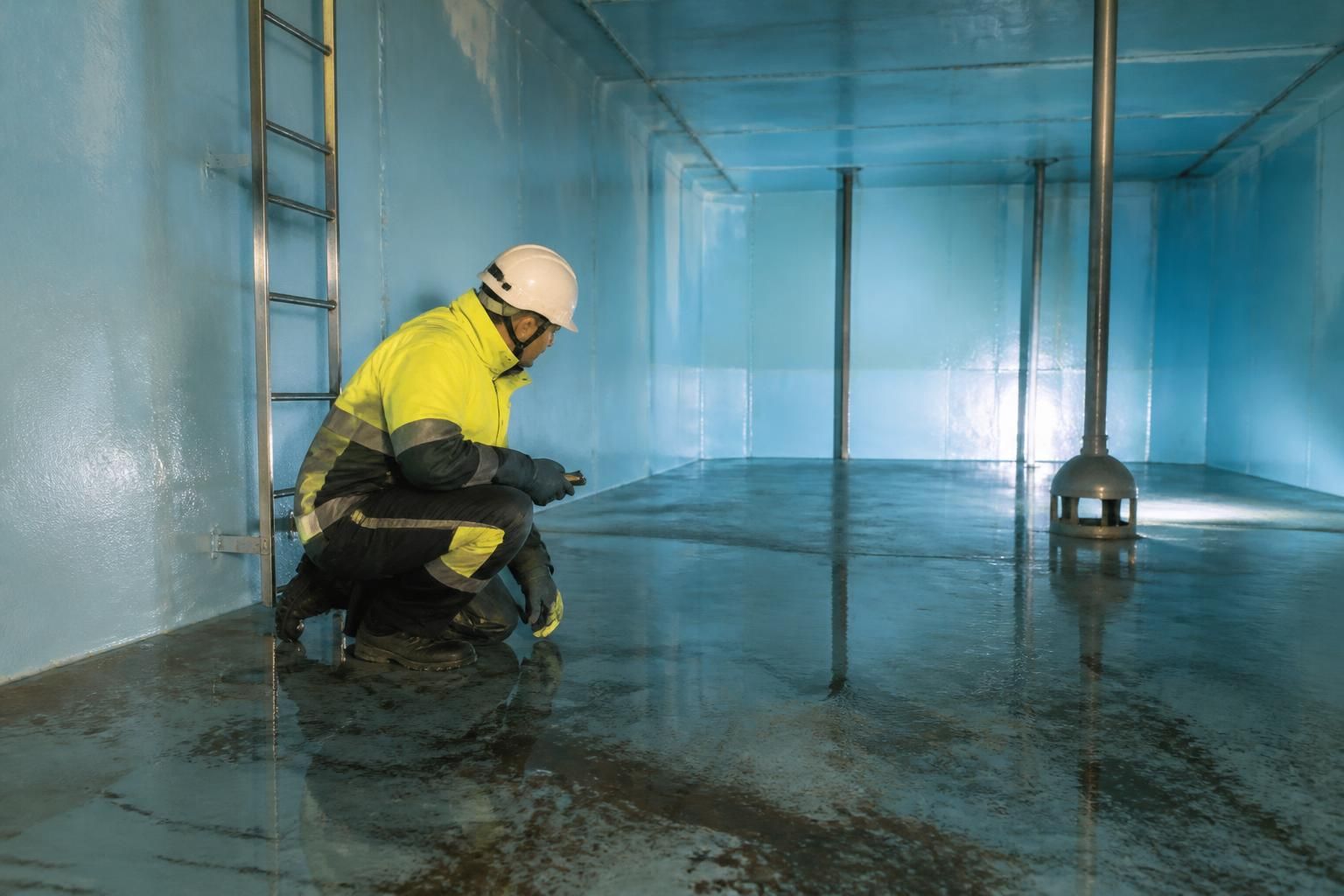
Before water tank pressure washing is arranged, a business should provide enough operational, safety and compliance information for the specialist to define the work, prepare suitable controls and coordinate the tank’s removal from service. The most useful information goes beyond basic tank details: it explains who controls the system, how the work will affect the site and what must happen before the tank is returned to use.
Identify the responsible people. Provide the name and contact details of the person responsible for the water system, together with the person who will authorise isolation, access and recommissioning. The specialist should know who can approve changes to the work plan, answer technical questions and confirm that the system may safely be taken offline. Where an external facilities manager, landlord or managing agent is involved, clarify their responsibilities before the visit.
Explain how the work fits into the wider water safety programme. Relevant documents may include the current legionella risk assessment, water system schematic, monitoring records, recent temperature checks, water quality results, disinfection certificates and records of previous remedial work. These documents help establish whether pressure washing is a routine clean, part of a response to an adverse result or one stage in a wider corrective programme. Any known history of recurring contamination, unusual sediment or repeated system problems should be disclosed rather than treated as an isolated cleaning task.
Describe operational consequences. State which buildings, processes or occupants depend on the tank and whether the water supply supports essential activities. This is particularly important for healthcare, care, hospitality, manufacturing and other premises where interruption may affect vulnerable people, hygiene controls, production or fire protection. Explain whether an alternative supply is available and identify any services that must remain operational while the tank is isolated.
Confirm the intended scope. The request should make clear whether the business requires pressure washing only or expects the work to include sediment removal, internal inspection, disinfection, post-cleaning sampling or assistance with recommissioning. These activities are related but are not interchangeable. A tank can be visibly clean without the full water system having been disinfected or verified as ready for use, so the required completion standard should be agreed in advance.
Share site safety information. Before preparation of the method statement and risk assessment, provide relevant site rules and formal safety documents. These may include the asbestos register, confined-space arrangements, permit-to-work procedures, roof-access controls, electrical isolation requirements, lifting information and COSHH details for substances already present on site. State whether an induction, security clearance, escort or specific personal protective equipment is required. If the tank is in a restricted plant area, provide the rules for working around other contractors and live services.
Explain water, drainage and waste arrangements. Pressure washing produces wastewater and displaced material that may need controlled collection, storage or disposal. Tell the specialist how drainage is managed, whether discharge to the site drainage system is permitted and whether the premises has environmental or trade-effluent restrictions. Sediment, sludge and cleaning residues should not be discharged without confirming that the proposed arrangement is acceptable. If the site requires waste transfer documentation or has a nominated disposal route, include those requirements in the brief.
Provide the records needed for site coordination. Useful supporting information can include recent photographs, marked-up drawings, valve identification, plant-room instructions, delivery restrictions and the site’s emergency arrangements. Photographs should show the working area, access route, connection points and any equipment that may affect setup. Clear records reduce the risk of arriving with unsuitable hoses, pumps, extraction equipment or protective controls.
Agree the handover requirements before work starts. Confirm who will verify that the tank and associated equipment are ready for inspection, who will receive the service report and what evidence is needed for the compliance file. If sampling, disinfection or water quality acceptance is required after cleaning, agree the responsible parties and sequence in advance. The final records may include photographs, waste documentation, cleaning details, test results, identified defects and recommendations for further action.
A complete pre-work brief allows the specialist to distinguish cleaning requirements from wider water safety measures, identify information gaps before attending and plan the work around the building’s operational and compliance needs. Businesses should update the brief if system conditions, site controls or operational requirements change before the planned cleaning.
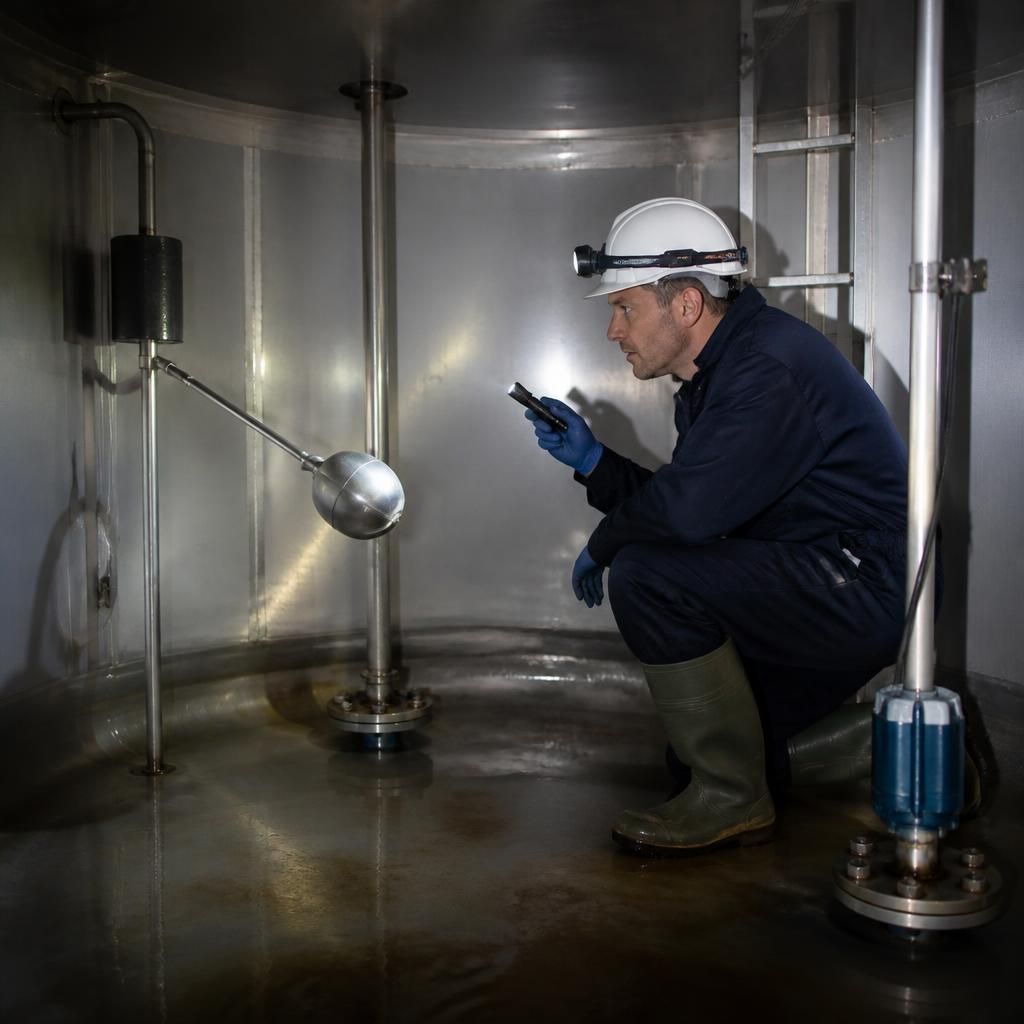
Businesses should identify any internal fittings or vulnerable surfaces that could be affected by water tank pressure washing. This includes tank coatings or liners, baffles, level sensors, float valves, strainers, immersion heaters and other components mounted inside or close to the tank.
Provide details of any manufacturer restrictions, previous repairs or known damage, and state whether fittings must be removed, protected or checked before cleaning. Clarify which components must remain calibrated or operational after the work. This information enables the specialist to select suitable pressure, nozzles and cleaning techniques, reducing the risk of damaging the tank or affecting its control equipment.
Discuss your water tank pressure washing requirements
If the required cleaning standard or handover evidence is not yet clear, discuss your water tank pressure washing requirements with Blue Fish Water Management Ltd. Their team can help clarify the scope and identify the information needed to plan the work.