
How are water heater tank repair costs determined?
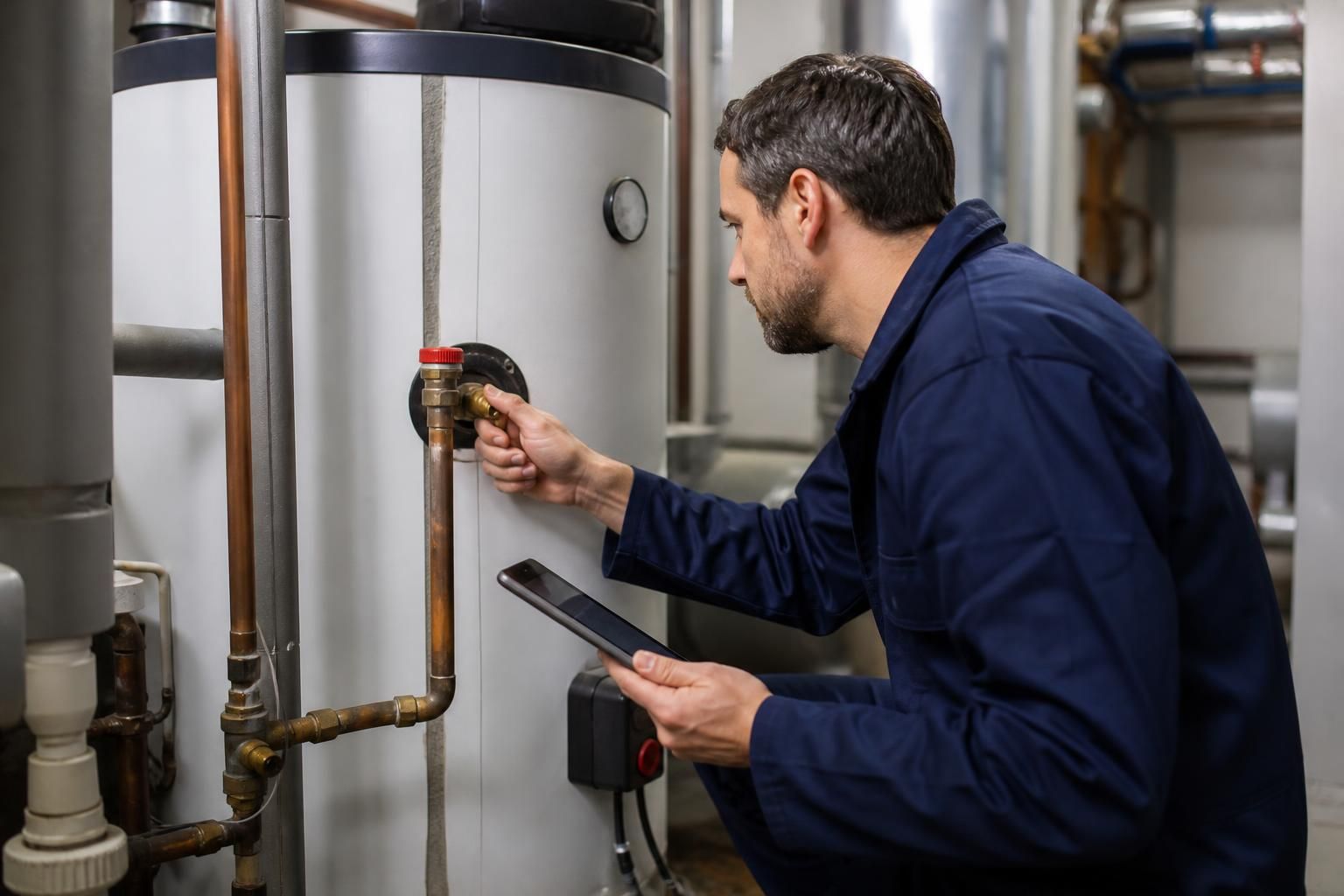
Water heater tank repair costs are determined by the work required to return the vessel to a safe, serviceable and compliant condition, rather than by the tank size alone. A reliable estimate is normally built from the asset’s condition, construction, operating circumstances and the controls needed to complete and verify the work.
The condition of the tank and associated components
The estimate should distinguish between a localised defect and a wider condition issue. For example, a repair involving a single connection, flange, valve or accessible fitting may require a different method from work affecting the shell, internal lining, insulation or several connected components. Corrosion, scale, leakage and deterioration around joints can also indicate that further inspection is needed before a repair method is selected.
The condition of connected equipment is relevant because a tank repair may not resolve the underlying problem if valves, pipework, supports, controls or safety devices are also defective. These items should be identified separately so that the client can see which costs relate directly to the tank and which relate to associated remedial work.
Tank design, materials and repair method
Water heater tanks vary in construction and configuration. The material, lining, insulation, access openings, connection arrangement and manufacturer’s design can affect which repair techniques and replacement components are suitable. A method that is appropriate for an external fitting may not be suitable for a defect affecting a wetted surface or an internally coated section.
The quotation should therefore explain the proposed method, the materials to be used and any limitations attached to it. Where the condition cannot be confirmed without opening up, draining down or carrying out additional investigation, the estimate may need to identify those items as provisional rather than presenting an uncertain total as a fixed price.
Site and operational requirements
Practical conditions at the premises can affect the resources needed to carry out the work. Relevant considerations include the tank’s position, working space, lifting or handling requirements, access for equipment, drainage arrangements and the ability to isolate the system safely. In a commercial or industrial building, the contractor may also need to coordinate with site management, follow permit procedures or work within defined water safety controls.
Where the tank forms part of a wider hot water system, the work may involve planned isolation, draining, cleaning, refilling and recommissioning. The cost assessment should make clear which of these activities are included. It should also identify any client responsibilities, such as providing access, arranging isolation or making the system available for inspection.
Labour, specialist equipment and compliance controls
Labour is assessed according to the skills required, the number of people needed for safe handling and the complexity of the repair. Specialist inspection, access or testing equipment may be included where the defect cannot be assessed adequately by visual inspection alone. Safety controls, preparation, protection of surrounding areas and waste removal can also form part of the work package.
For a business premises, the cost may include records and evidence needed to demonstrate that the work was completed appropriately. This can involve inspection findings, details of components used, test results, commissioning information and recommendations for any remaining action. The exact documentation required depends on the system and the organisation’s compliance arrangements.
Testing and reinstatement
A repair is not normally costed solely on the physical alteration. The estimate should account for the checks needed to confirm that the tank and its connections are functioning correctly after the work. Depending on the repair, this may include examination for leakage, pressure or operational checks, confirmation that controls and safety devices operate correctly, and assessment of water quality where the system has been opened or disturbed.
Any cleaning, disinfection or follow-up sampling should be stated clearly rather than assumed to be included. This allows the responsible person to understand the full scope and to distinguish essential post-repair verification from optional investigation or additional improvement work.
How to compare estimates
Two quotations should be compared by scope, not simply by the headline price. Check whether each one identifies:
- the defect or condition being addressed;
- the proposed repair method and materials;
- isolation, draining, cleaning and reinstatement requirements;
- testing, sampling and completion records;
- items excluded from the price or subject to further findings; and
- any remedial recommendations that are separate from the immediate repair.
A survey and clear written specification reduce the risk of unexpected costs because they establish what is known, what remains uncertain and what work is necessary to complete the repair properly. Blue Fish Water Management can assess the water system, explain the basis of the proposed work and provide practical advice for commercial, industrial and domestic clients across the UK.
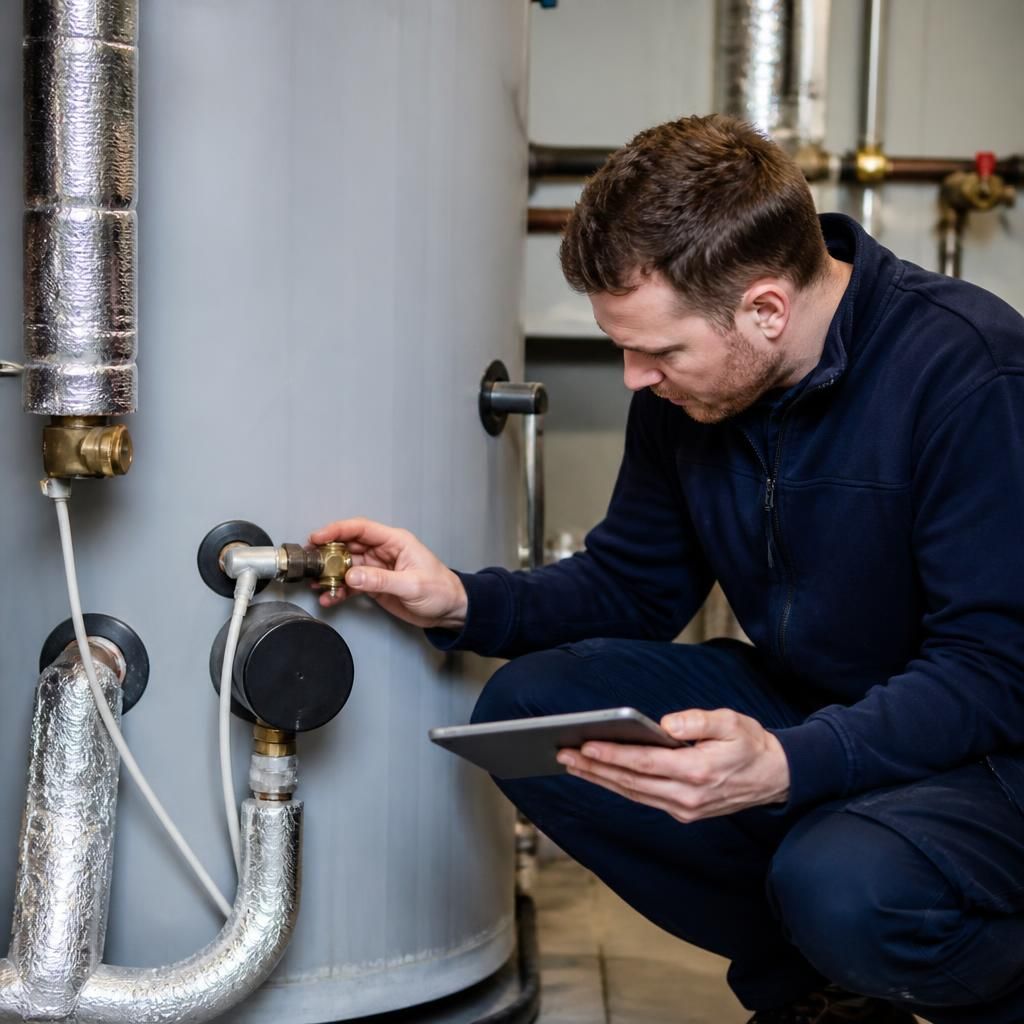
Water heater tank repair costs are often established in stages because the full scope may not be known until the tank has been inspected. An initial assessment can identify the apparent defect and the information needed to define the repair. If further examination is required, that investigation should be shown as a separate cost rather than hidden within an uncertain repair price.
A clear estimate should then separate the cost of diagnosis, the physical repair and the checks needed to close the work out. This helps the responsible person understand which expenditure is essential immediately and which relates to confirming the tank’s longer-term condition. It also provides a clearer basis for approving work where the findings change after inspection.
Discuss your water heater tank repair costs
Contact Blue Fish Water Management to discuss your water heater tank repair requirements and arrange an assessment to clarify the likely scope and cost of the work.