
What determines the required frequency of water tank cleaning?
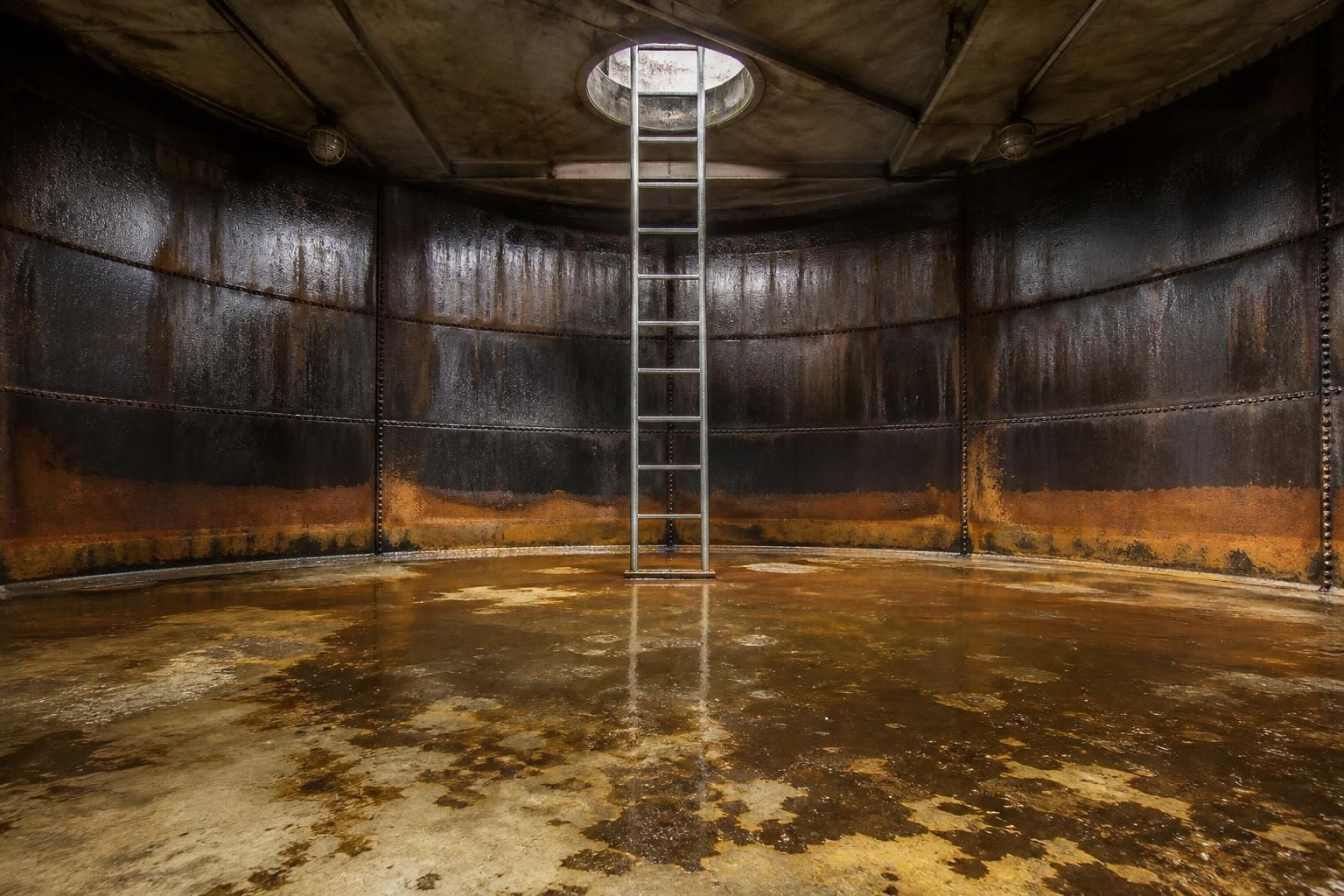
Water tank cleaning should be scheduled from a documented risk assessment and the evidence gathered through inspection, monitoring and maintenance. A calendar interval may be used as part of a control scheme, but it should not replace professional judgement. The appropriate frequency is the point at which cleaning is needed to prevent deterioration in water quality and maintain effective control of legionella risk.
The main factors used to set the schedule include:
- Tank condition: Corrosion, damaged coatings, defective lids, failed seals, poor insulation and inadequate insect or vermin protection can allow contamination to enter or accumulate. A tank in poor condition may require more frequent cleaning, remedial work or replacement rather than repeated cleaning alone.
- Sediment and biofilm: Deposits on the tank floor, scale and visible slime provide evidence that the system may need attention. Their presence, volume and rate of accumulation are more useful indicators than an arbitrary date on a calendar.
- Water turnover: Tanks supplying areas with low or irregular demand can hold water for extended periods. This increases the opportunity for stagnation and may justify closer inspection than a system with consistently high turnover.
- Temperature control: Cold water that is not kept suitably cold, or hot water that does not achieve the required control temperatures, increases the importance of investigating the tank and connected system. Cleaning cannot compensate for a persistent temperature-control failure.
- System design and use: Tank size, configuration, pipework, dead legs, blending arrangements, access for inspection and the way water is drawn from the system all affect the likelihood of contamination or stagnation.
- Occupant vulnerability: Hospitals, care settings, residential accommodation and other premises where people may be more susceptible to illness generally require a more conservative approach to water hygiene controls.
Inspection findings should drive the next decision. A competent person should examine the tank internally where safe and practicable, assess the cover and fittings, check for sediment or contamination, and review relevant temperature and water-quality records. The findings should state whether cleaning is required, whether disinfection is also necessary, and whether defects need to be corrected before the tank is returned to service.
Cleaning is normally brought forward when there is visible contamination, an unusual change in water appearance or odour, evidence of ingress, a positive investigation following an abnormal test result, or a failure affecting the tank or its protective components. It may also be required after significant alterations, prolonged periods of reduced use, flooding or other events that could have compromised water quality. In these circumstances, waiting for the next planned visit is not an adequate control.
Routine water testing can support the decision, but a satisfactory sample does not prove that a tank is clean. Contamination can be localised, and a sample from a tap may not represent conditions inside the storage tank. Conversely, a poor result should be interpreted alongside the system design, temperature records, inspection findings and other possible sources. Sampling and physical inspection therefore serve different purposes.
A practical frequency review should record:
- the hazards identified in the risk assessment;
- the tank’s construction, condition and protection from contamination;
- patterns of water use and periods of low occupancy;
- inspection, temperature, sampling and previous cleaning results;
- any incidents, remedial works or changes to the system; and
- the next planned inspection or cleaning date, together with the reasons for that decision.
The schedule should be revised when the building’s use changes, occupancy becomes more vulnerable, water demand falls, defects recur or monitoring shows that existing controls are not effective. Keeping a clear rationale is important: it demonstrates that the frequency is risk-based and gives the responsible person a defensible basis for bringing work forward or extending the interval where the evidence supports that decision.
Where cleaning is required, the contractor should work to an agreed method that protects water users, limits the impact on operations and produces clear records of the work completed. Documentation should identify the tank, describe its pre-clean condition, record the cleaning and disinfection process where applicable, note defects and provide any relevant test or verification results. Those records should then be fed back into the water safety plan and used to determine the next review.
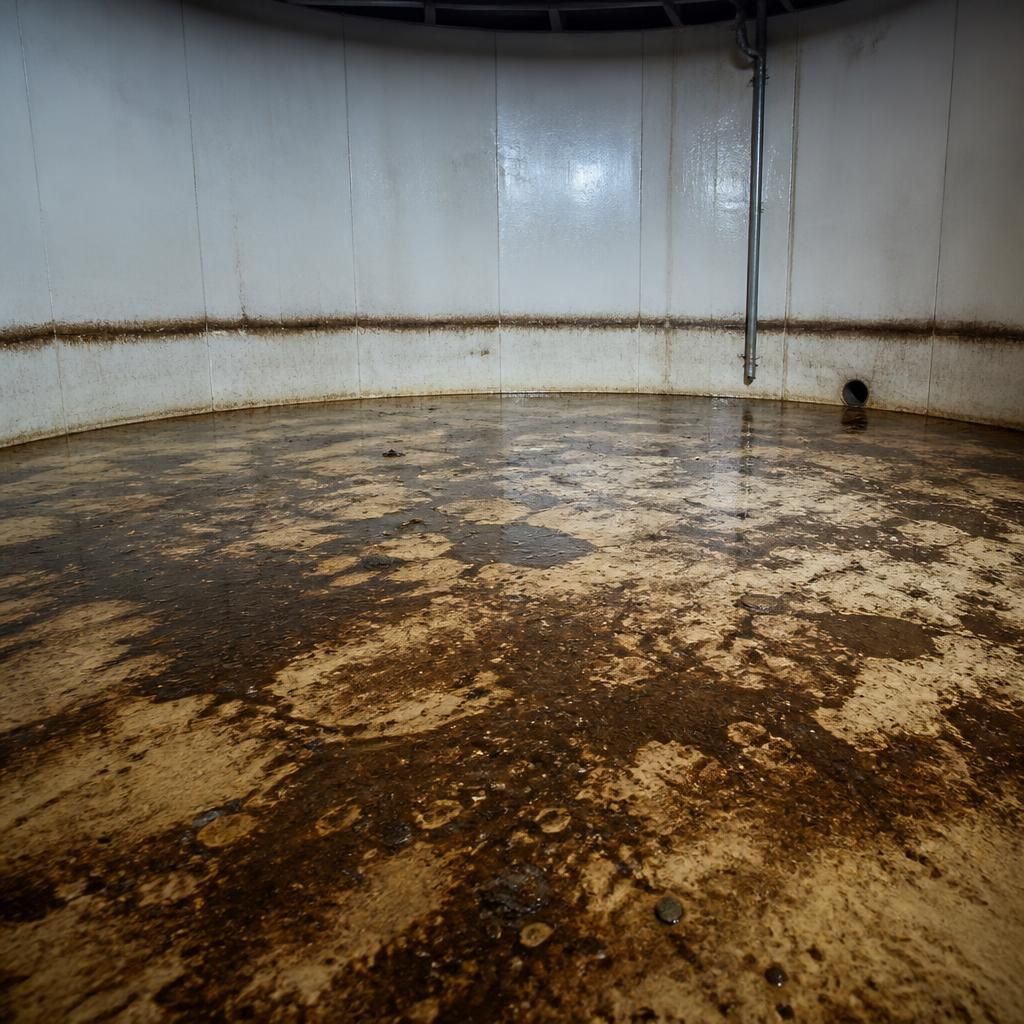
Review your water tank cleaning frequency
If you need to establish or review the appropriate cleaning frequency for a water tank, speak to Blue Fish Water Management about a risk-based assessment of the system and its records.