
How can hot water tank cleaning minimise disruption to operations?
Hot water tank cleaning can minimise operational disruption by identifying and addressing contamination, sediment and other hygiene risks through planned, controlled work rather than unplanned corrective action. Coordinating isolation, cleaning, disinfection, recommissioning and any required verification helps keep the impact on building users and essential water services proportionate.
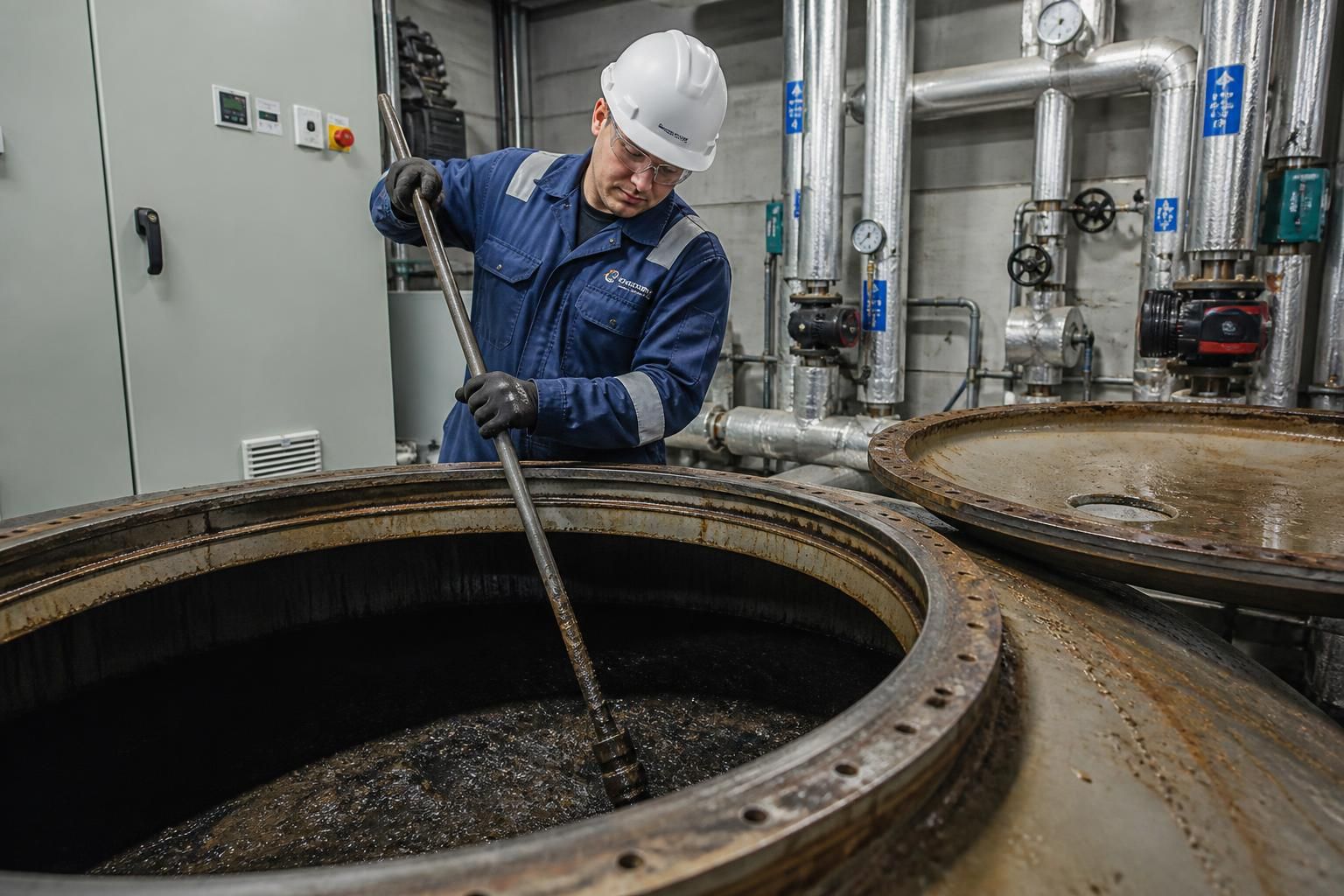
Hot water tank cleaning minimises operational disruption by matching the work to the building’s water demand, system configuration and operational constraints. The aim is to control the effect on water services while completing the cleaning and disinfection properly, rather than allowing hygiene work to interfere unnecessarily with occupied areas, production processes or critical facilities.
A pre-work assessment helps define the likely operational impact. This should establish the tank’s capacity, its function within the hot water system, the outlets it supplies, available isolation points, access requirements and whether any alternative supply or storage is available. A tank serving a small office may be managed differently from one supporting accommodation, healthcare-related facilities, manufacturing processes or a large commercial building. Understanding these dependencies allows the contractor and responsible person to identify which activities may be affected before work begins.
Cleaning can then be integrated into the organisation’s maintenance plan. Where the system design permits, the work may be arranged during a period of lower water demand or aligned with other planned engineering tasks. This can avoid repeated isolations, duplicated access arrangements and separate interruptions for related remedial work. The timing should be based on the building’s actual use, not simply on a convenient calendar date.
Clear limits on the affected area are also important. A well-defined work plan should identify which tanks, outlets, plant rooms and user areas are involved. Isolation arrangements should prevent unnecessary loss of service elsewhere in the building, while site controls should keep equipment, cleaning materials and access routes away from normal business activities wherever practicable. If a tank cannot be taken out of service without affecting essential operations, the responsible person should consider whether the system can be divided into stages or whether temporary arrangements are needed.
Communication reduces avoidable disruption because building users can adjust their activities before the work starts. Relevant parties may need information about:
- the areas and water services affected;
- the planned sequence of activities;
- any restrictions on hot water use or access;
- responsibilities for isolating plant and granting access; and
- the checks required before normal use resumes.
This information should be proportionate to the site and shared with facilities teams, occupiers, contractors and other affected stakeholders. Where water supports a process or a service with specific hygiene requirements, the responsible department should be involved in deciding how the interruption is managed.
Sequencing matters as much as the cleaning itself. Access preparation, isolation, draining, removal of sediment, physical cleaning, disinfection, refilling and return to service each need to be considered in the correct order. Poor sequencing can extend the interruption, create repeat visits or require a second isolation. The work plan should also account for safe waste removal, tank access, water temperature controls and the condition of associated components that could affect recommissioning.
Verification supports a controlled return to normal operation. Depending on the risk assessment and the system requirements, this may include inspection, checks on temperatures and flow, confirmation that disinfectant has been removed or neutralised where relevant, and water sampling. These checks should be completed before the affected system is treated as ready for routine use. If results or inspection findings indicate a further issue, the business can make an informed decision about the next step instead of relying on an assumption that the tank is fit for service.
Accurate records help prevent future disruption as well. The cleaning date, tank identification, findings, work completed, disinfection details, verification results, defects and recommendations should be retained with the site’s water hygiene records. This gives the responsible person a usable history for future planning and helps identify recurring problems such as sediment accumulation, ineffective controls or access difficulties.
In practice, the lowest-disruption approach is not necessarily the shortest visit. It is the approach that considers system dependency, user impact, access, sequencing and verification together. A competent water hygiene contractor can use the site’s risk assessment and operational information to produce a proportionate method statement, identify decisions that must be made before isolation and distinguish genuinely essential work from tasks that can be scheduled separately.
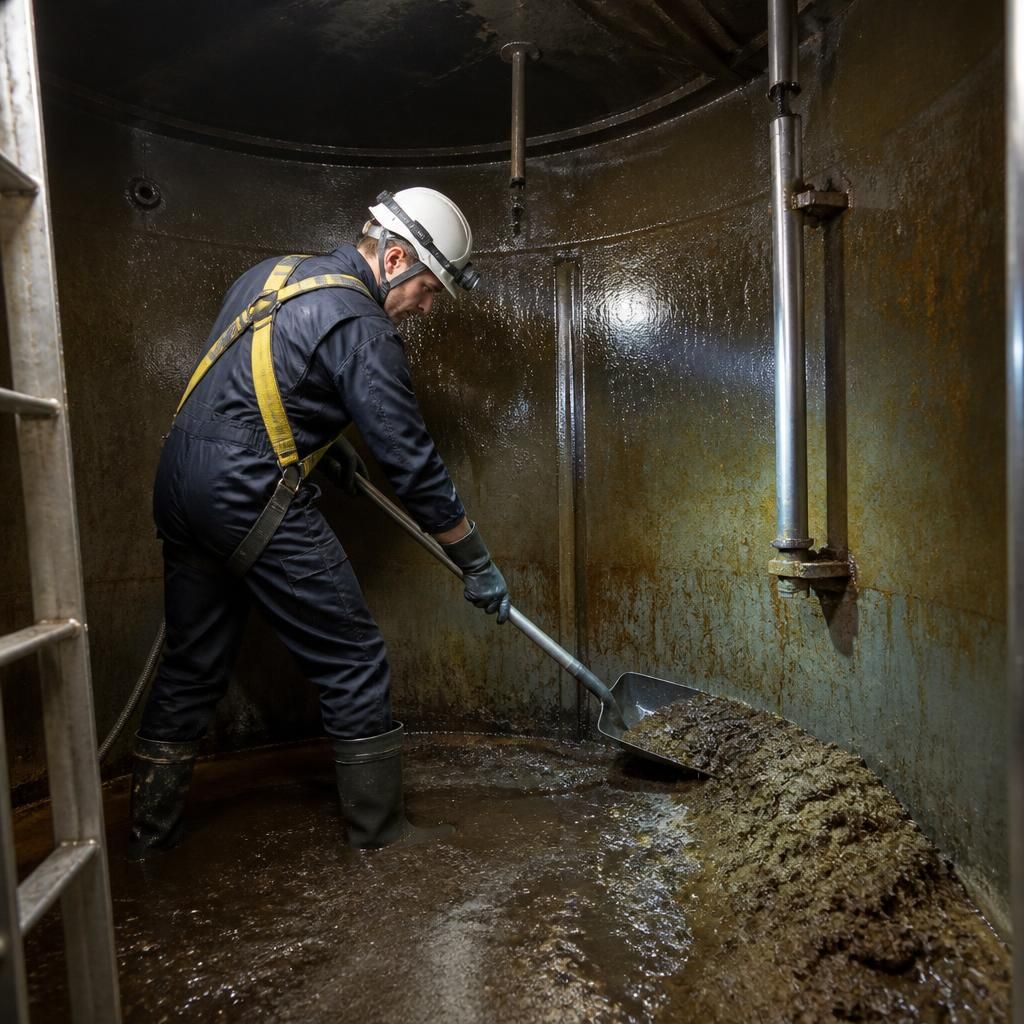
Agreeing how unexpected defects will be handled before hot water tank cleaning begins can prevent a planned interruption from becoming an extended outage. Sediment removal or inspection may reveal corrosion, damaged fittings, failed insulation or other conditions that affect safe recommissioning. If the responsible person and contractor have already defined the decision-making process, work can continue, pause or escalate without delaying basic operational planning.
The pre-agreed arrangements should identify:
- which findings can be addressed within the planned work;
- which defects require separate remedial action;
- who has authority to approve a change in scope;
- what evidence is needed before the tank can return to service; and
- what temporary or alternative provision should be considered if the tank cannot be recommissioned as expected.
This approach helps avoid rushed decisions while the building is without the affected hot water service. It also ensures that cleaning is not treated as complete simply because visible contamination has been removed. A clear condition-based decision process protects water safety and makes the operational consequences of further work easier to manage.
Discuss your hot water tank cleaning requirements
Discuss your hot water tank cleaning requirements with Blue Fish Water Management Ltd to identify a suitable, controlled approach for your water system and operational needs.