
What environmental duties apply to septic tank desludging?
Businesses arranging septic tank desludging must ensure sewage is handled as controlled waste, transported by an appropriately authorised carrier and taken to an authorised disposal or treatment facility. They must also prevent spills and pollution, comply with relevant environmental requirements, and retain suitable transfer or disposal records.
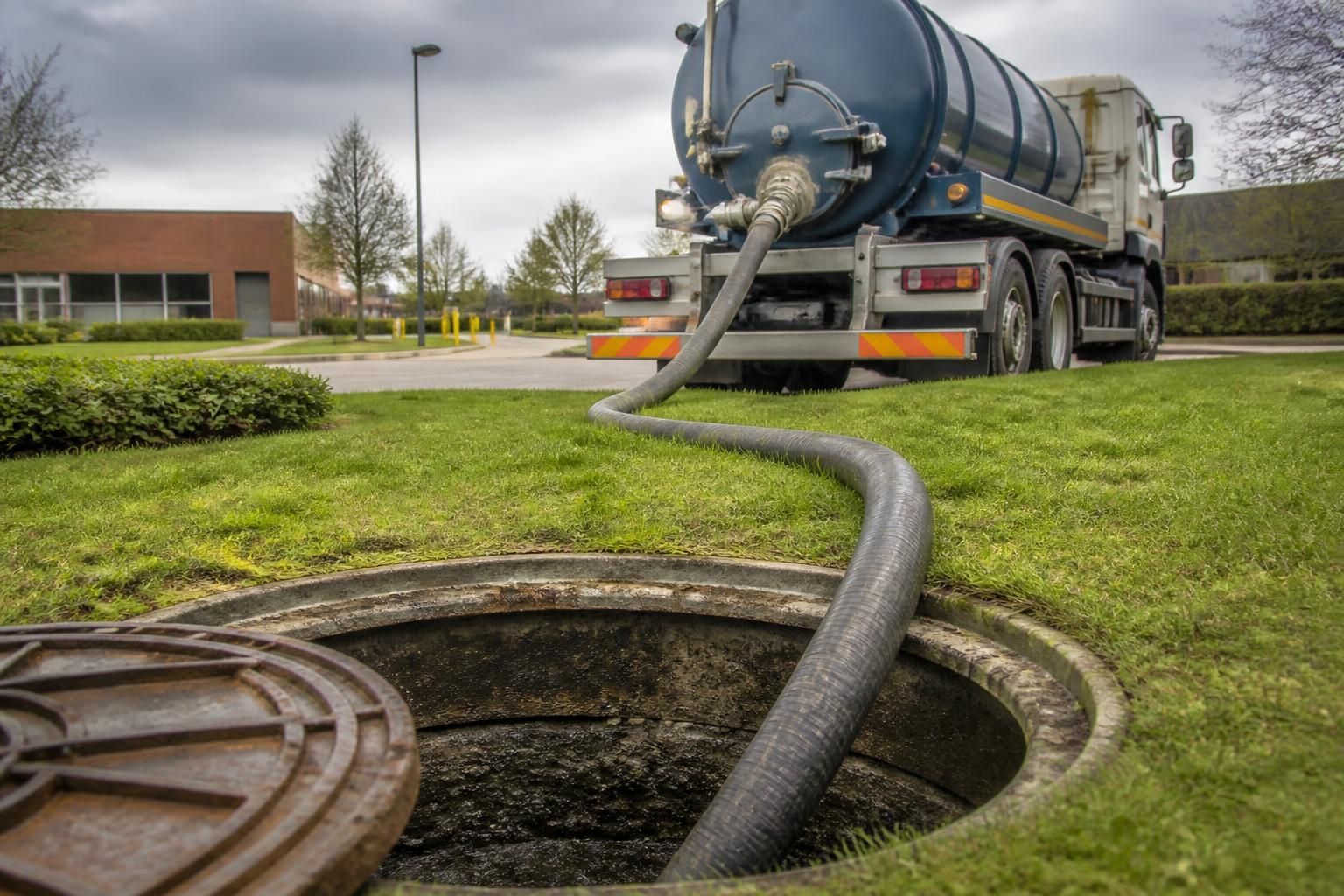
Environmental duties for septic tank desludging cover the lawful management of sewage, protection of land and water, prevention of nuisance, and evidence that the work has been carried out responsibly. Responsibility is shared: the business commissioning the work must make suitable arrangements and provide accurate information, while the desludging contractor must handle and manage the material in accordance with the relevant environmental controls.
Check the legal position for the location. Environmental regulation differs between England, Wales, Scotland and Northern Ireland. The responsible regulator may require an environmental permit, registration or other authorisation for particular waste activities, treatment methods or discharges. A business should not assume that a method is lawful simply because it has been used before, particularly where sewage is proposed for land application, on-site treatment or discharge.
Do not use unauthorised disposal routes. Septic tank contents should not be discharged into a surface-water drain, ditch, stream, river, soakaway or onto land unless a specific legal basis allows that activity and its conditions are met. Connecting a tanker or hose to an unsuitable drain can cause pollution, interfere with sewage treatment infrastructure and create a potential enforcement issue. Where the intended destination or treatment route is unclear, it should be resolved before the tank is emptied.
Prevent pollution at the premises. The site operator should provide safe, unobstructed access to the tank and identify nearby drains, watercourses, wells, boreholes, vulnerable ground and areas where a vehicle could damage the surface. The contractor should use suitable equipment, inspect connections and hoses, and keep the operation under control. Any leak, overflow or failure of equipment should be contained promptly and reported through the appropriate environmental incident procedure where required.
Consider nuisance and public health. Desludging can release odours, aerosols and contaminated residues. Work planning should therefore take account of occupied buildings, food-production areas, public access, livestock, neighbouring premises and sensitive habitats. Covers should be replaced securely after the work, contaminated surfaces should be cleaned appropriately, and wash water or residues should not be allowed to enter an unapproved drainage route.
Keep the tank and its surrounding system suitable for continued use. Environmental responsibility does not end when the tanker leaves. The business should investigate recurring overflows, damaged covers, infiltration, inadequate capacity and defects in associated pipework. A tank that repeatedly reaches an unsafe level may indicate a maintenance or system-design problem, not simply a need for more frequent emptying. Correcting the underlying issue can reduce the risk of future release to the environment.
Maintain an auditable record. Documentation should identify the premises, tank or system serviced, date of the work, approximate quantity removed, contractor details, destination and any problems or incidents noted. Keep copies of relevant authorisations and paperwork with the site’s environmental or maintenance records. These records help demonstrate that the business has exercised proper oversight and can support investigations if a pollution complaint or regulatory query arises.
Before arranging work, a business should confirm the regulatory requirements applying to its nation, establish the proposed treatment or disposal route, disclose site hazards and sensitive receptors, and agree how incidents will be managed. For complex sites or non-standard disposal proposals, advice from the relevant environmental regulator or a competent water and waste specialist should be obtained before work begins.
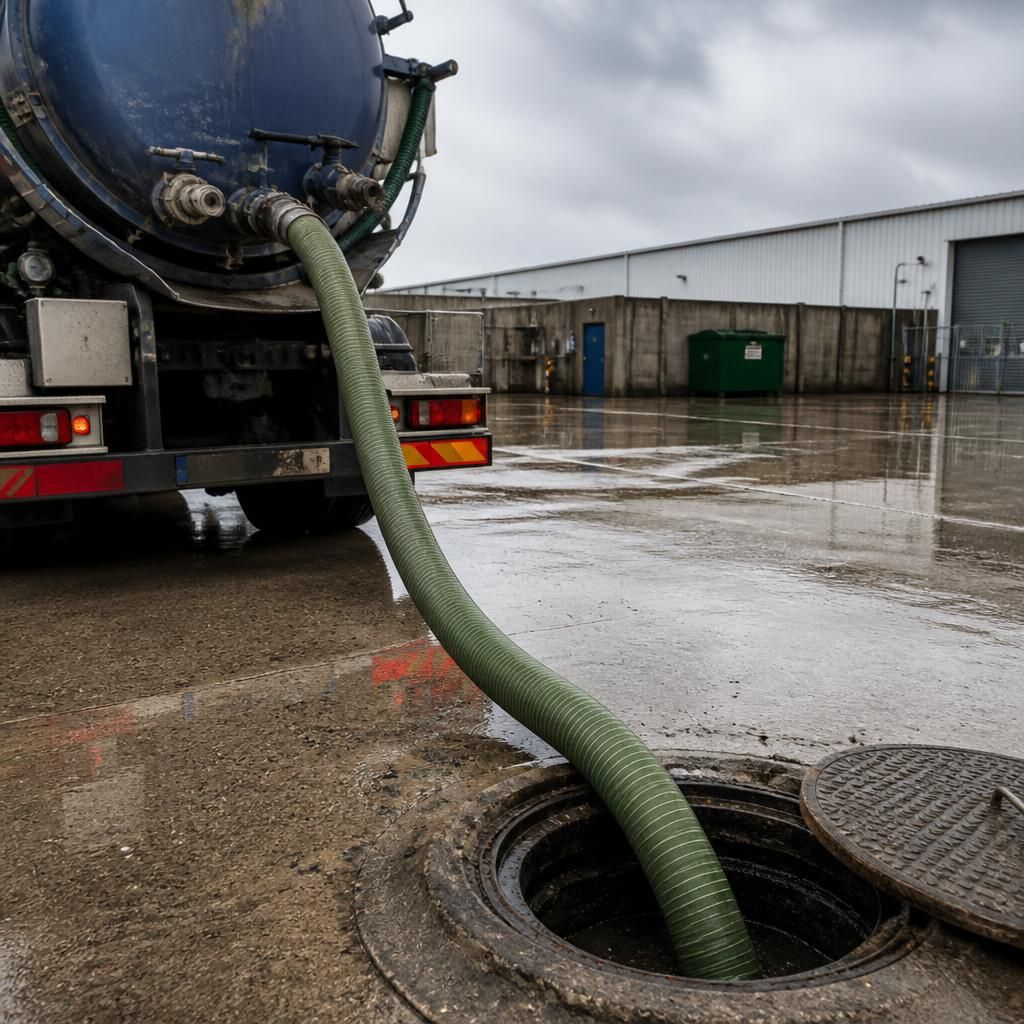
Environmental planning should also take account of weather and ground conditions at the time of septic tank desludging. Heavy rain, flooding, saturated ground or freezing conditions can increase the risk of vehicle instability, surface damage, runoff and loss of containment. The site operator and contractor should consider whether the tanker can reach and leave the tank safely without crossing vulnerable ground or obstructing drainage.
Where conditions create an increased pollution risk, the work may need to be rescheduled or supported by additional controls. Any temporary measures should prevent sewage, wash water and contaminated mud from entering drainage systems or nearby land. This is particularly important at sites with steep gradients, permeable surfaces or limited space for safe tanker positioning.
Get advice on your septic tank desludging duties
For help interpreting the environmental duties that apply to your premises, speak to Blue Fish Water Management Ltd about your septic tank desludging arrangements and required documentation.