
How often should a septic tank be cleaned?
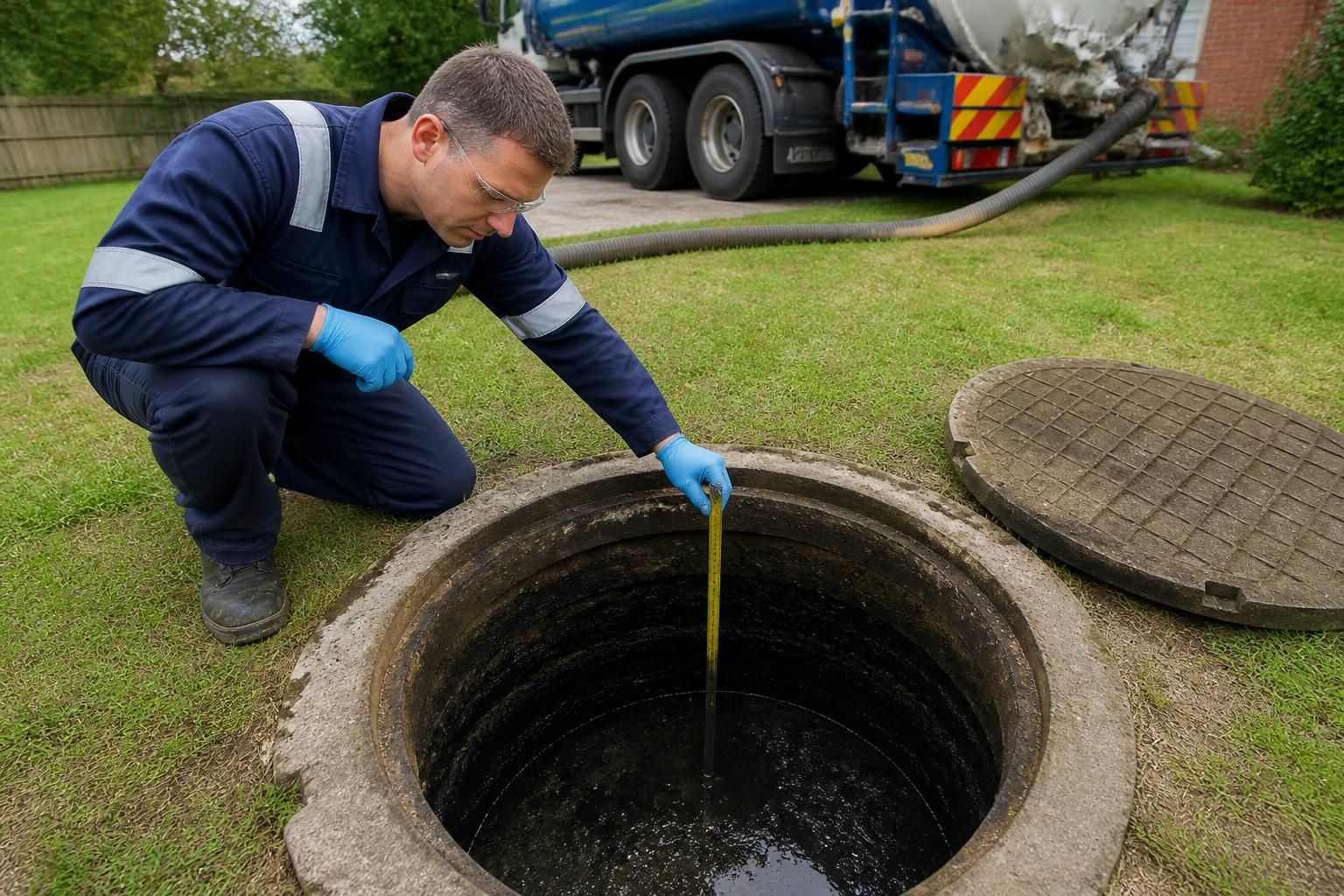
Septic tank cleaning should be scheduled according to the condition and loading of the system, rather than by a universal calendar interval. In practical terms, the tank needs attention when solids, grease or other accumulated material are affecting treatment capacity, outlet flow or safe operation. A suitable schedule combines routine inspection, evidence from previous emptying visits and the operating demands placed on the tank.
Cleaning and emptying are not quite the same activity. Emptying removes accumulated sludge and scum so that the tank can regain usable capacity. Cleaning may also involve removing deposits from internal surfaces, checking the inlet and outlet arrangements, and identifying damage or obstructions. A tank does not necessarily need intensive washing every time it is emptied, because excessive removal of beneficial biological material can interfere with normal treatment. The appropriate method depends on the tank design, its condition and the reason for the work.
The interval between visits is influenced by several operational factors:
- the tank's capacity and configuration;
- the number of people or workers using the connected premises;
- the volume and nature of wastewater entering the system;
- seasonal or intermittent occupancy, such as holiday accommodation or temporary sites;
- the use of cleaning chemicals, grease or other substances that may affect biological treatment;
- the condition of the drainage field or other discharge arrangement; and
- the tank's previous sludge-accumulation pattern.
Businesses should use past service records to refine the schedule. If measurements show that the tank is accumulating solids steadily, the next visit can be planned before capacity becomes restricted. If the tank remains lightly loaded, a longer interval may be reasonable, provided inspections continue and the arrangement remains compliant. A change in occupancy, production activity, catering use or connected drainage should trigger a review rather than leaving the existing schedule unchanged.
Warning signs should not be treated as the normal cleaning trigger. Slow drainage, gurgling pipes, foul odours, sewage backing up, persistently wet ground around the tank or drainage field, and unusually vigorous vegetation can indicate that the system is overloaded, blocked, damaged or failing to treat effluent correctly. These symptoms require investigation because emptying the tank alone may not resolve the underlying problem. A qualified inspection may need to examine the inlet, outlet, baffles, covers, pipework, soakaway or drainage field.
Premises with higher or more variable wastewater loads need tighter control. For example, a business with staff facilities, kitchens, showers or accommodation may produce a different solids and grease load from a lightly occupied site. Food waste, fats and oils should not be allowed into the system, as they can contribute to blockages and disrupt treatment. Where several buildings share one tank, the total connected load should be considered rather than assessing each building in isolation.
Cleaning should also follow certain events. Arrange an assessment after flooding, a serious blockage, suspected structural damage, unauthorised discharge, prolonged underuse followed by sudden occupation, or a significant change to the drainage layout. Newly acquired commercial premises should have their tank, drainage field and service history checked before a cleaning cycle is set. A tank that has not been maintained for a long period may need a condition survey rather than simply being added to a routine emptying list.
Waste handling is part of responsible septic tank management. In the UK, the business responsible for the system should use a suitably authorised waste contractor and retain documentation showing what was removed and where it was taken. The exact environmental requirements can differ across England, Wales, Scotland and Northern Ireland, and site-specific permits or conditions may also apply. Septic tank contents must not be discharged improperly to land or water, and cleaning arrangements should be consistent with the applicable regulator's requirements.
A useful maintenance record should include the service date, tank condition, sludge or scum observations, any defects found, the work carried out, the quantity removed where recorded, waste documentation and recommended next inspection. Comparing these records over time allows the frequency to be based on evidence instead of guesswork. It also helps demonstrate that the business has considered pollution prevention, system performance and ongoing maintenance responsibilities.
In summary, clean a septic tank when inspection and operating evidence show that accumulated material or a system defect is compromising capacity or performance. Keep the schedule under review whenever usage changes, investigate warning signs rather than relying on emptying alone, and maintain clear waste and maintenance records after every visit.
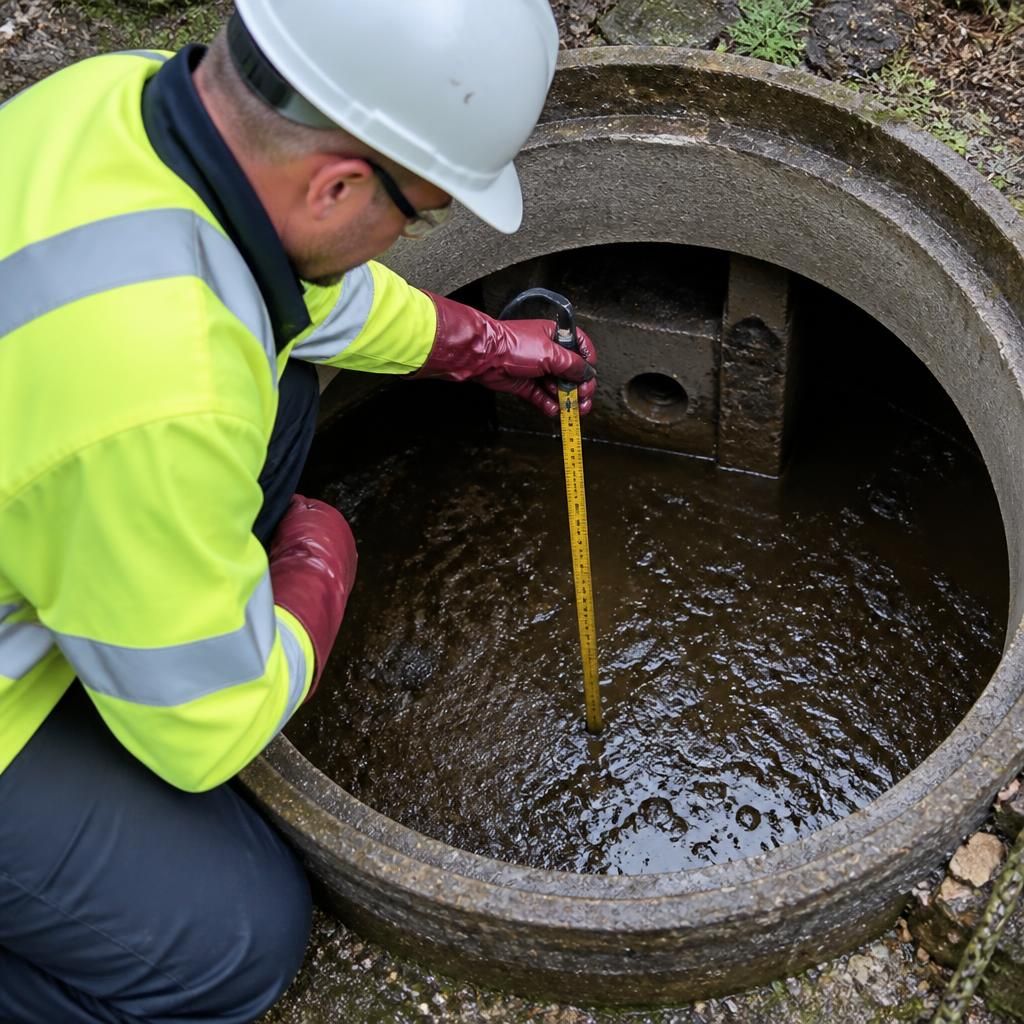
A practical cleaning schedule can be based on an agreed action point rather than a fixed date. After an initial assessment, the responsible person can record the tank’s normal operating condition and define when a further visit is needed. The trigger should reflect the tank’s design, connected use and safe remaining capacity, rather than applying the same rule to every site.
This approach also helps separate an isolated reading from a developing trend. An unusual result should be checked against recent occupancy, wastewater volumes and any changes to the drainage system before the schedule is altered. Once the reason is understood, the maintenance plan can state who reviews the findings, what action follows and when the next assessment is due.
Review your septic tank cleaning requirements
If your business cannot verify its septic tank’s condition or maintenance history, arrange a professional assessment before setting the next cleaning date. Request written findings and a practical maintenance recommendation for your site.