
What types of industrial tanks require professional cleaning?
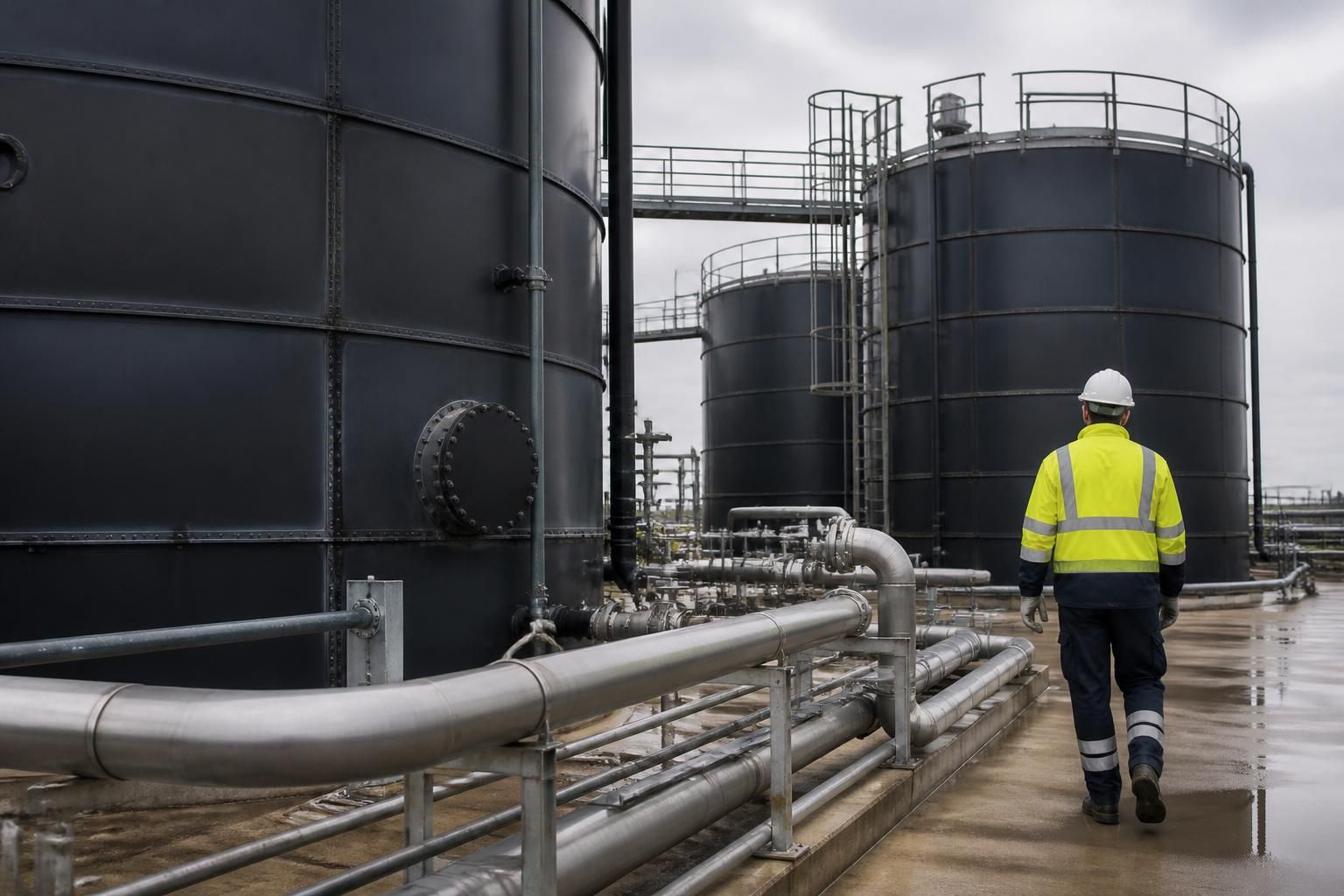
Professional cleaning is generally required for tanks that store water, chemicals, fuels, oils, wastewater, sludges, food ingredients or other materials where deposits, microbiological growth or residues could affect safety, quality, compliance or the operation of connected equipment. The type of tank alone does not determine the requirement: its contents, construction, access arrangements, operating temperature, contamination history and inspection findings must also be considered.
Water storage tanks
Cold water storage tanks, break tanks, header tanks and other tanks supplying domestic or process water may require cleaning when sediment, scale, corrosion products or biofilm accumulate. Water tanks can also need attention after maintenance, prolonged stagnation, evidence of contamination or an unsatisfactory inspection or test result. Cleaning should form part of a wider water hygiene programme, with the tank and associated system assessed together rather than treated as an isolated item.
Process tanks and vessels
Process tanks used for manufacturing, blending, heating, cooling or holding materials often require cleaning when residues could affect the next batch, alter the process or damage equipment. Typical examples include mixing vessels, buffer tanks, intermediate storage tanks and tanks connected to production lines. Cleaning requirements depend on the material handled and whether residues harden, react with other substances, support microbial growth or are difficult to remove from internal surfaces and fittings.
Chemical storage tanks
Tanks holding acids, alkalis, solvents, treatment chemicals or other hazardous substances need professional consideration because residues may remain harmful even when a tank appears empty. Cleaning may be needed before inspection, repair, alteration, decommissioning or a change of contents. A suitable method must account for the chemical’s properties, the tank material, ventilation, access and the safe handling and disposal of contaminated wash water or residue.
Fuel and oil tanks
Diesel, heating oil, lubricants and other petroleum-based products can leave sludge, water, sediment and biological contamination in storage tanks. These deposits may restrict outlets, affect fuel quality, contribute to corrosion or enter connected plant. Professional cleaning is particularly important before internal inspection, tank repairs, conversion to a different use or investigation of fuel-quality problems, because vapours and residues can create significant fire, exposure and confined-space hazards.
Wastewater and sludge tanks
Settlement tanks, effluent tanks, holding tanks, sewage tanks and sludge storage vessels commonly accumulate solids, fats, scale and biological material. Cleaning may be necessary when capacity is reduced, outlets become restricted, odours develop, inspection is due or maintenance work is planned. These tanks can contain pathogens and hazardous gases, so cleaning involves more than removing visible material; safe isolation, atmospheric assessment and controlled waste handling may also be required.
Food, beverage and pharmaceutical tanks
Tanks used for ingredients, liquid products, cleaning solutions or production intermediates may require tightly controlled cleaning to prevent cross-contamination and protect product quality. The cleaning approach should reflect the materials handled, the required hygiene standard, internal pipework and fittings, and whether residues can remain in dead legs, valves or difficult-to-access areas. Verification should be proportionate to the risk and the organisation’s documented quality procedures.
Fire-water and specialist storage tanks
Fire-water tanks, sprinkler tanks and specialist reserve tanks can collect sediment, corrosion debris and organic material while standing for long periods. Although the water is not normally intended for consumption, contamination or deposits can obstruct strainers, valves, pumps and other components. Cleaning may therefore be linked to inspection, planned maintenance or concerns about the reliability of the connected fire-protection system.
What determines whether cleaning is necessary?
A professional assessment should consider:
- the substance stored and its known hazards;
- the age, material, lining and condition of the tank;
- visible sediment, scale, sludge, corrosion, biofilm or product residue;
- stagnation, low turnover, temperature changes or repeated changes of contents;
- the condition of valves, outlets, coils, mixers, level sensors and connected pipework;
- previous cleaning records, inspection findings and water or product test results;
- whether the tank is being repaired, recommissioned, repurposed or taken out of service; and
- the risks created by access, confined spaces, hazardous atmospheres and waste disposal.
An apparently clean tank may still contain contamination in seams, welds, sumps, inlet arrangements, internal supports or connected pipework. Conversely, routine cleaning may not be appropriate if it could damage a lining, mobilise hazardous material or introduce contamination into a wider system. The tank’s risk assessment should therefore define the required preparation, isolation, cleaning method, inspection and any testing or disinfection needed afterwards.
Professional tank cleaning is especially important where the contents are hazardous, the tank forms part of a safety-critical system, the tank is difficult to access, or cleaning could expose workers to confined-space or biological risks. Records should identify the tank, its contents, the reason for cleaning, the work completed, waste arrangements, inspection results and any remedial action recommended. This provides evidence for ongoing maintenance and helps determine when the tank should next be inspected or cleaned.
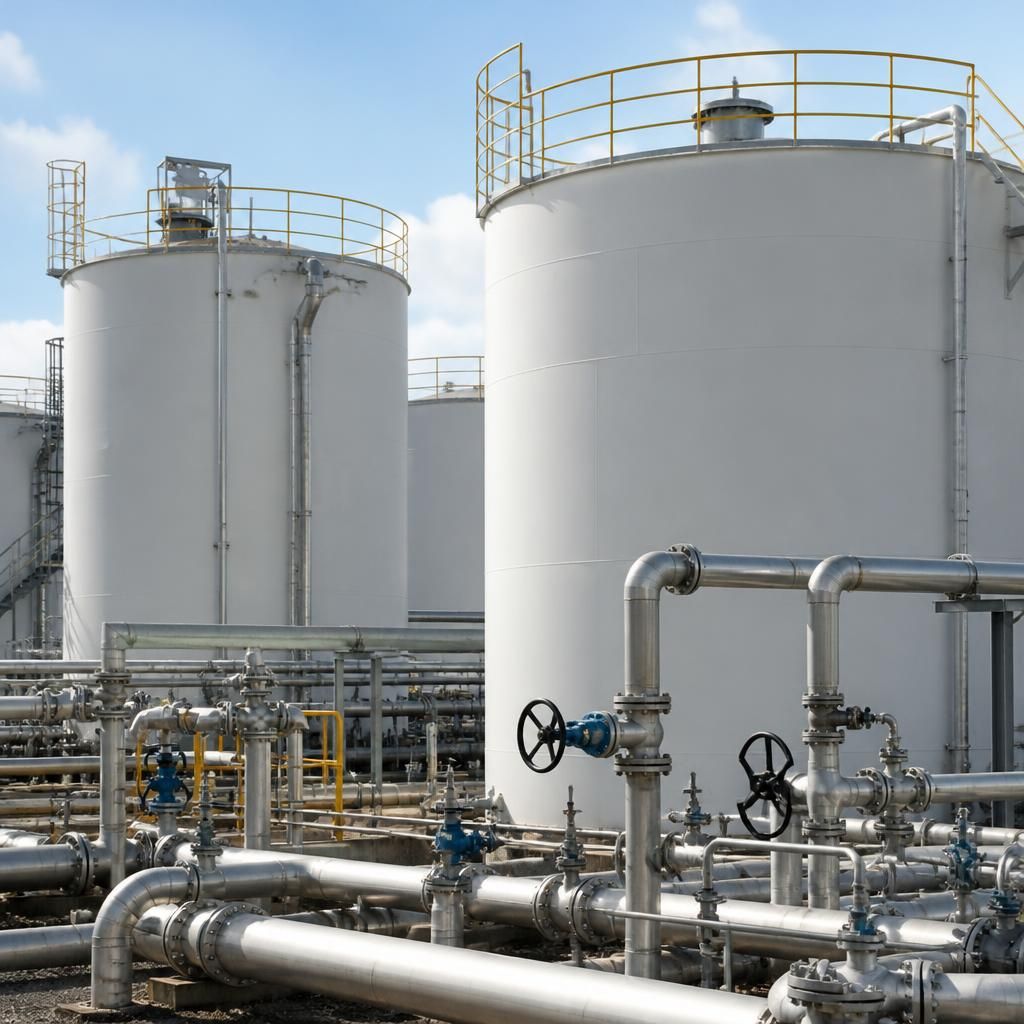
The cleaning requirements for an industrial tank depend on what could happen if contamination remains. A tank supplying domestic or process water may require cleaning followed by disinfection and verification, while a tank used for non-potable storage may require residue removal, internal inspection and checks that outlets, valves or pumps remain serviceable. Tanks supporting production may also need evidence that the cleaning process is suitable for the required product or hygiene standard.
This distinction is important when deciding whether a tank needs professional cleaning. The work should be specified around the consequences of contamination, the condition of the internal surfaces and the tank’s role within the wider installation. A documented scope can then identify whether the requirement is cleaning alone, cleaning with disinfection, inspection, waste removal or remedial work before the tank is returned to service.
Discuss your industrial tank cleaning requirements
Discuss your industrial tank cleaning requirements with Blue Fish Water Management Ltd to establish the appropriate cleaning scope, safety controls and post-cleaning checks for your tank.