
Who is responsible for arranging hot water tank maintenance?
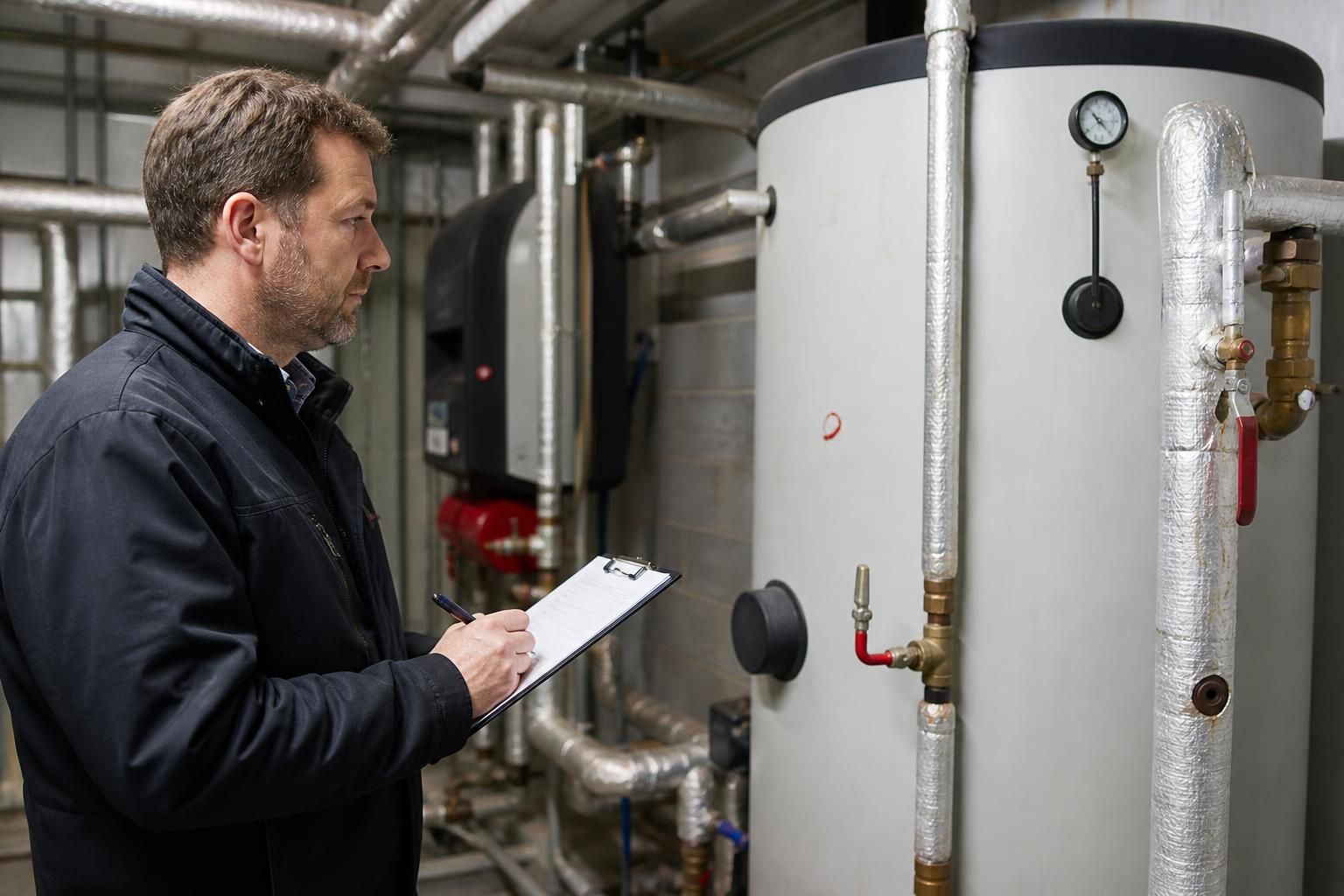
The person with day-to-day control of the premises or water system remains accountable for ensuring that hot water tank maintenance is arranged, even when the practical work is delegated. A contract may allocate inspections, servicing or record-keeping to another party, but it should clearly identify who is responsible for commissioning the work, checking that it has been completed and acting on any defects.
Responsibility depends on how the property is occupied and managed:
- Owner-occupied domestic property: the homeowner normally arranges maintenance and should follow the tank, cylinder and heating-system manufacturer’s instructions, while taking account of water hygiene risks.
- Privately rented housing: the landlord or property manager should establish what maintenance is required and ensure that safety-related work is commissioned. A tenant may be asked to report faults or allow access, but this does not usually make the tenant responsible for maintaining equipment that forms part of the property.
- Social housing and supported accommodation: the housing provider or organisation controlling the building must define responsibilities across its housing, maintenance and care teams. Higher-risk residents or shared hot water systems may require a more formal water safety management arrangement.
- Commercial and industrial premises: the employer, occupier or facilities team with control of the workplace should arrange suitable maintenance and ensure that the water system is managed within the organisation’s health and safety arrangements.
- Managed buildings: a managing agent, facilities management provider or maintenance contractor may arrange visits and keep records under contract. The contract should specify the limits of its role, the reporting route and who authorises remedial work.
For legionella control, the relevant duty holder must understand the hot water system rather than treating tank cleaning as an isolated plumbing task. The assessment should consider the storage tank or cylinder, temperature control, distribution pipework, outlets, outlets that are rarely used, changes in occupancy and any parts of the system that could allow water to stagnate. Where the system presents a foreseeable risk, the duty holder should ensure that a suitable risk assessment is completed and that recommended control measures are implemented.
In workplaces and other non-domestic premises, the Health and Safety Executive’s guidance on legionnaires’ disease sets out the need for a competent person to help identify and control risks. That person may be an employee with suitable knowledge or an external specialist. The duty holder should still retain sufficient oversight to understand the findings, approve necessary works and verify that controls remain effective.
A maintenance contractor can inspect, service, clean, disinfect, repair or test equipment, but the duty holder should not assume that a service visit automatically covers every water hygiene obligation. Before appointing a contractor, check that the specification states:
- which tanks, cylinders, valves, controls and associated pipework are included;
- what inspection, cleaning, temperature or functional checks will be carried out;
- how defects, unsafe temperatures, corrosion, leaks or contamination concerns will be reported;
- which remedial actions are included and which require separate authorisation;
- what records, test results, photographs or certificates will be provided; and
- who reviews the report and confirms that outstanding actions have been closed.
Responsibility should also be clear where several organisations share a building. For example, a building owner may control the central plant, an employer may control its occupied area and a managing agent may coordinate contractors. Each party should understand the boundaries of its duties and exchange information about alterations, faults, access restrictions and changes in use. Ambiguous arrangements can leave important parts of the system uninspected.
Maintenance records should be retained with the wider water safety documentation. They can demonstrate what was inspected, when work took place, what defects were found, which recommendations remain open and whether follow-up testing or remedial work was completed. Records do not replace the need for competent oversight, but they help the responsible organisation review whether its arrangements are working.
Where the ownership or management structure is uncertain, responsibility should be established from the lease, tenancy agreement, facilities contract, health and safety policy and water system risk assessment. The safest arrangement is a named responsible person with authority to commission work, access to competent advice and a defined process for escalating defects. Blue Fish Water Management Ltd can support organisations with legionella risk assessments, water testing, compliance audits, system monitoring and remedial advice where specialist input is required.
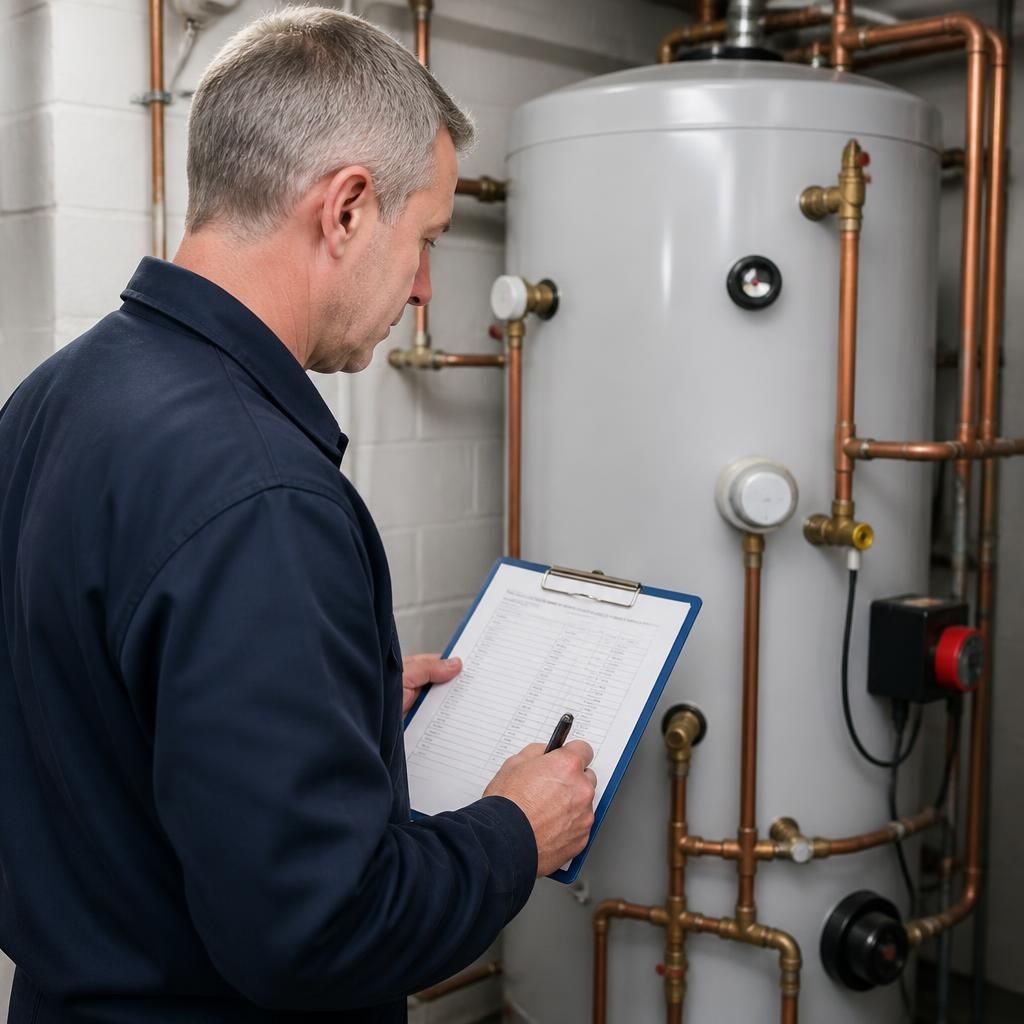
Discuss your hot water tank maintenance responsibilities
If your organisation needs help clarifying its hot water tank maintenance arrangements, discuss the system and existing documentation with Blue Fish Water Management Ltd to identify any areas requiring specialist review.