
What determines the right cleaning method for a grease or waste water tank?
The right cleaning method is determined by the tank’s type, size, construction, contents, level of waste, condition and accessibility. The required standard of cleaning, safe waste handling arrangements and any environmental or compliance requirements must also be considered before selecting equipment and a suitable process.
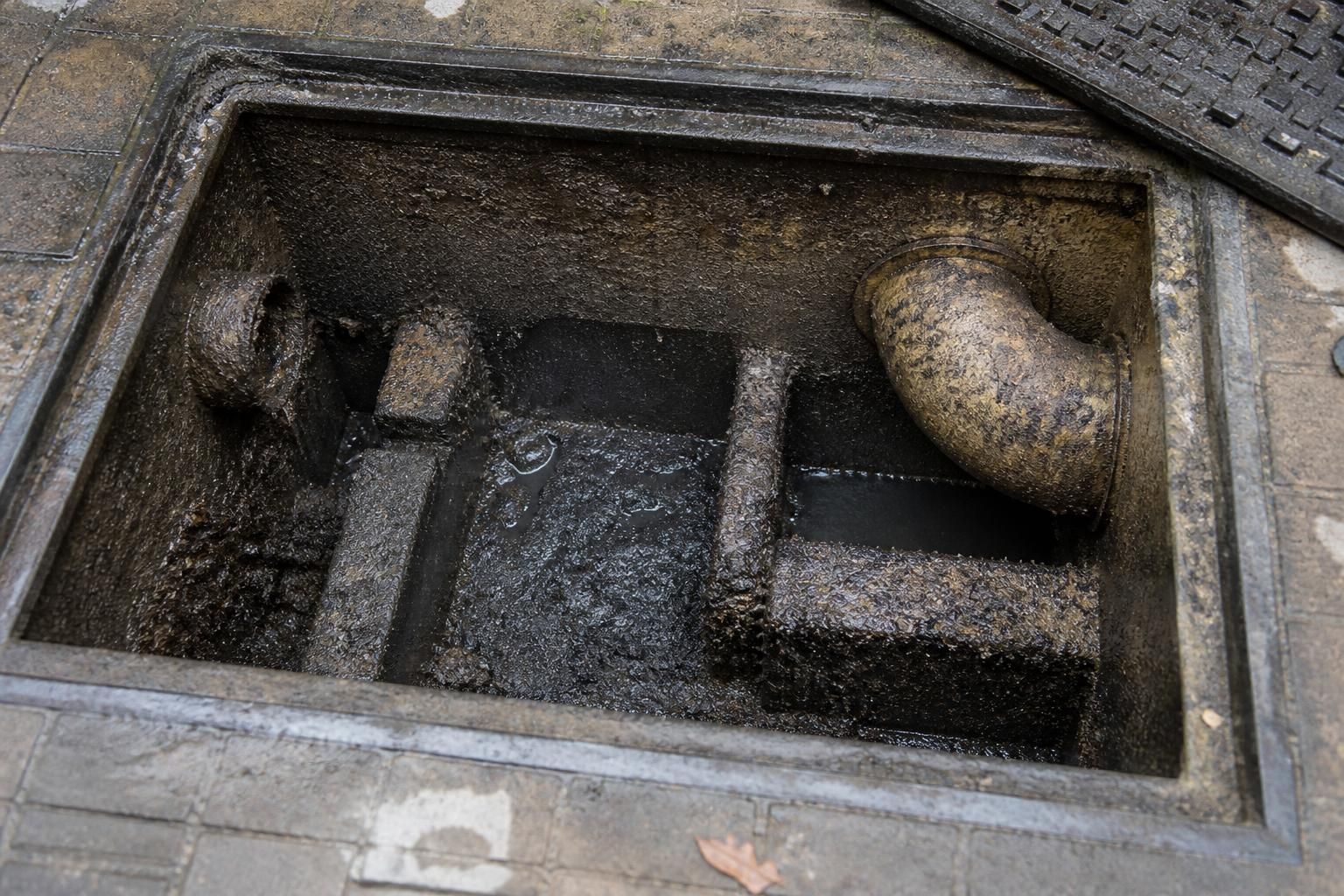
The appropriate cleaning method is a task-specific combination of waste removal, deposit removal and internal washing, selected after assessing how the tank operates and what condition it is in. A method that is suitable for a small grease separator may be ineffective or unsafe for a large waste water tank containing settled sludge, contaminated liquid or damaged internal components.
The nature of the material inside the tank is one of the most important considerations. Grease tanks may contain floating fats, oils and grease that have cooled and hardened on surfaces, while waste water tanks can hold a mixture of liquid, suspended solids, sludge, debris and biological contamination. A contractor will consider whether the material can be removed by suction alone or whether deposits need loosening with controlled water jetting, agitation or another mechanical process.
High-pressure water jetting can help detach deposits from walls, floors, pipes and fittings, but it is not automatically the correct choice. Excessive pressure may damage fragile linings, seals, inspection points or connected equipment. The pressure, nozzle and volume of wash water should therefore be matched to the tank construction and the deposit being removed. Where water use must be limited, a suction-led approach may be more appropriate, provided it achieves the required standard of cleaning.
The tank’s internal arrangement also affects the process. Baffles, inlet and outlet pipes, pumps, level controls, filters and access chambers can obstruct cleaning equipment or create areas where solids accumulate. These parts may need to be protected, isolated or cleaned separately. A method that reaches the main chamber but leaves sludge around an outlet or beneath a baffle has not fully addressed the cleaning requirement.
Access arrangements determine which equipment can be used and whether the work can be completed without entering the tank. Safe cleaning normally prioritises equipment operated from outside the vessel. Tank entry is a confined-space activity and should not be treated as routine manual cleaning. Where entry cannot be avoided, it requires a documented confined-space assessment, suitable atmospheric monitoring, trained personnel, rescue arrangements and the correct protective equipment.
Before work starts, connected systems may need to be isolated or managed to prevent incoming flow from undermining the cleaning process. This can involve stopping or controlling pumps, protecting electrical equipment, arranging temporary containment or coordinating with the premises responsible for the drainage system. The method must allow the tank to be left in a safe operating condition and must not create an uncontrolled discharge.
Waste handling requirements influence the choice as well. Removed grease, sludge and wash water must be collected, transported and disposed of in accordance with the applicable waste and environmental requirements. A method that uses large quantities of water may produce substantially more liquid waste than a suction-focused process. The planned approach should therefore account for segregation, storage, transfer documentation and the destination of the waste, rather than considering cleaning in isolation.
The required outcome should be agreed before equipment is selected. This may be removal of accumulated sludge, clearance of a blockage, restoration of flow, preparation for inspection, or a more comprehensive clean of accessible internal surfaces. These outcomes are different: removing enough material to restore operation is not necessarily the same as preparing a tank for maintenance or checking its condition.
A practical method-selection review should consider:
- the type and age of the tank and the condition of its lining, covers and connections;
- the location and firmness of deposits, including material beneath internal fittings;
- the available cover, hose and vehicle access, together with the distance to the working area;
- the need to protect pumps, sensors, pipes, electrical equipment and other connected assets;
- confined-space, biological, chemical, manual-handling and slip hazards;
- the amount and type of waste likely to be produced by the chosen process; and
- the inspection, maintenance and cleaning records that need to be completed afterwards.
For grease systems, the cleaning plan should also consider whether accumulated fat has entered pipework or restricted the separator’s working capacity. For waste water systems, the focus may be on sludge removal, maintaining pump performance or preventing solids from being returned to the system. In both cases, cleaning should be followed by checks that covers are secure, connections are intact and equipment has been returned to normal operation.
The most reliable basis for choosing a method is a site-specific assessment supported by information about previous cleaning, known blockages, tank drawings and any defects already identified. Where the condition cannot be established safely in advance, the work plan should allow the method to be adjusted once the tank has been opened and its contents assessed. This avoids committing to equipment or pressures that are unsuitable for the actual conditions.
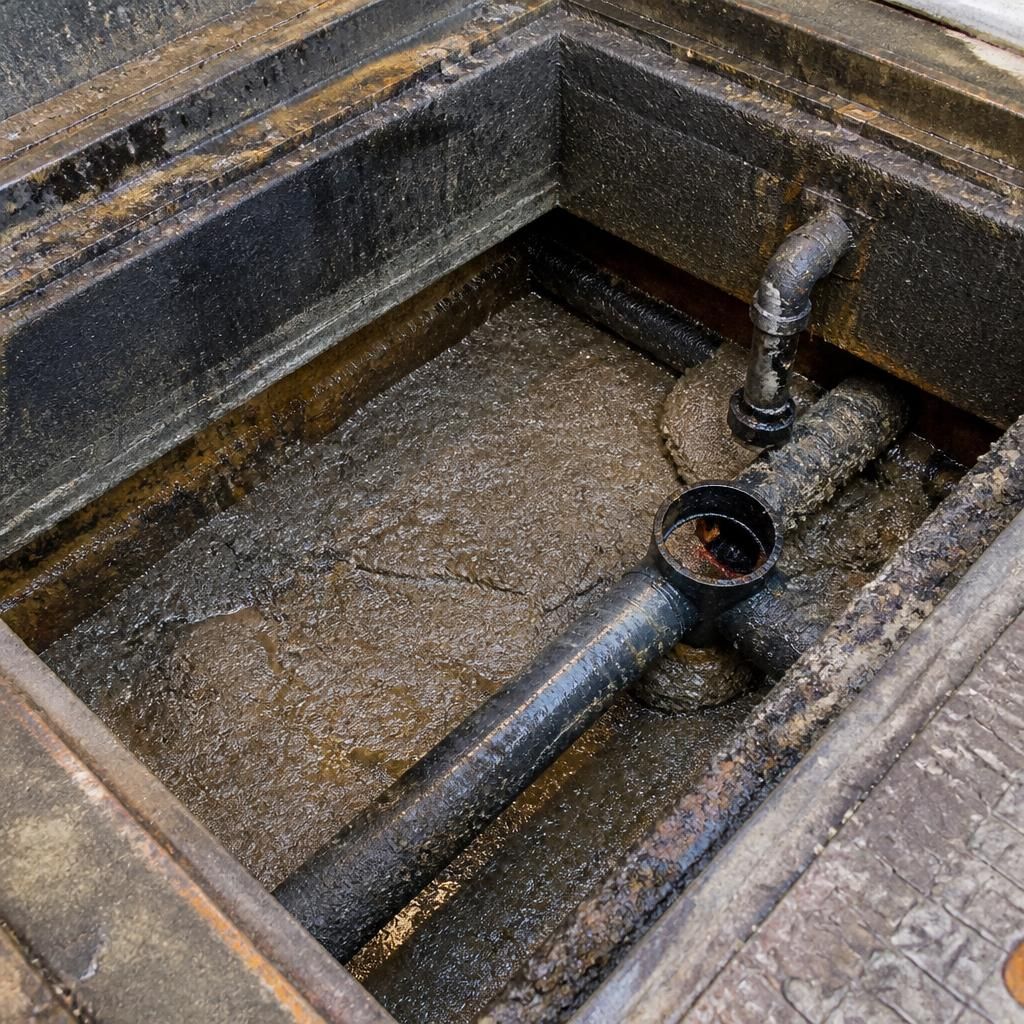
Chemical cleaning may be considered where deposits cannot be removed effectively by suction, controlled washing or mechanical methods, but it should not be treated as a routine substitute for physical cleaning. The tank material, protective coating, seals, connected pipework and treatment equipment must be checked for compatibility before any chemical is introduced.
The assessment should also account for contact time, ventilation, worker exposure and the chemical residues produced. Any chemical solution left after cleaning must be recovered and managed through the appropriate waste route, with care taken to prevent it entering the drainage system or interfering with biological treatment processes. In many situations, a controlled water-based or suction-led method is preferable because it limits chemical exposure and simplifies waste management.
Discuss the right grease or waste water tank cleaning method
If the appropriate method for your tank is still uncertain, discuss its construction, contents and cleaning objective with Blue Fish Water Management Ltd so a suitable site-specific approach can be considered.