
What should a waste water tank cleaning quotation include?
A waste water tank cleaning quotation should clearly set out the tank and site details, proposed cleaning method, work scope, access requirements, safety controls, waste handling arrangements and any inspection or reporting included. It should also separate labour, equipment, disposal and remedial costs, identify exclusions and explain any assumptions that could affect the final price.
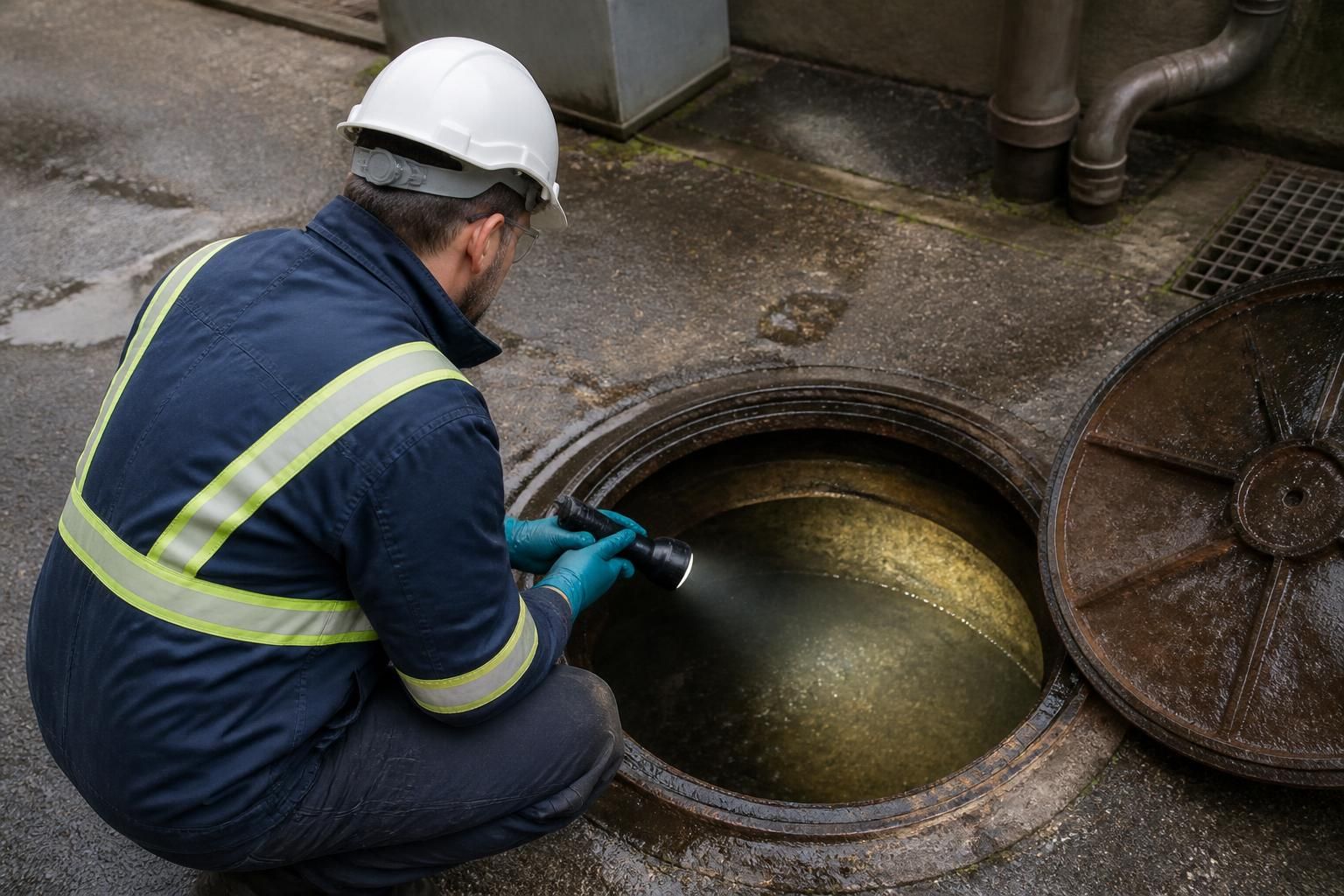
A waste water tank cleaning quotation should be a written record of the work being priced, the conditions on which that price is based and the evidence the contractor will provide afterwards. It should allow a responsible person to compare quotations on a like-for-like basis, identify potential additional charges and confirm that the proposed work is suitable for the tank and its intended use.
Tank and service information
The quotation should identify the relevant tank or tanks rather than referring only to a site-wide cleaning service. Useful details include the tank reference, approximate capacity, construction or lining, contents, location and whether it is linked to other parts of the system. It should also state whether the price covers one cleaning visit, a planned programme or a specified number of tanks.
The contractor should make clear what information was used to prepare the quotation. For example, the price may be based on a site survey, photographs, drawings, previous maintenance records or information supplied by the client. If the tank has not been inspected before pricing, that limitation should be stated because its actual condition may alter the work required.
Defined cleaning standard
A sound quotation describes what “clean” means for the particular tank. This may include removal of sludge, sediment, scale, biological material or other deposits, followed by rinsing or another specified treatment. It should explain whether the tank will be drained fully, whether residue will be removed manually or mechanically and how the finished condition will be checked.
Where a client has a required hygiene or operational standard, the quotation should relate the proposed work to that standard without implying that cleaning alone resolves every water-quality risk. A heavily fouled, damaged or contaminated tank may need investigation, disinfection, repairs or follow-up sampling as separate activities.
Operational disruption and site requirements
The document should explain what the client must provide or arrange before work starts. This can include isolation of pumps and pipework, safe drainage, access to valves and electrical supplies, a suitable area for equipment, welfare arrangements and coordination with site personnel. If the tank supports a process, building or essential service, the quotation should identify any anticipated interruption and the client’s responsibility for contingency arrangements.
It is also reasonable to expect the quotation to state any conditions that could prevent the work from proceeding as planned. Examples include an inaccessible tank, unexpected liquid levels, restricted vehicle access, unsafe surroundings, damaged covers or a tank that cannot be isolated. Clear conditions are preferable to an artificially low price that is later revised on site.
Safety information
For tanks that are enclosed, poorly ventilated or difficult to access, the quotation should distinguish between work carried out from outside and any entry that may be required. It should identify the need for a site-specific assessment, atmospheric monitoring, rescue arrangements, isolation and other controls where relevant. If confined space entry is excluded, that exclusion should be explicit rather than left to assumption.
The quotation should also identify responsibilities for controlling other foreseeable hazards, such as biological exposure, chemicals, moving equipment, electrical systems, slips, contaminated residues and vehicle movements. A low price is not a suitable basis for removing necessary safety controls.
Waste and environmental arrangements
Wastewater, sludge and cleaning residues should be allocated to an appropriate handling route. The quotation should state whether removal from site is included, what type of waste is assumed, and whether disposal charges are based on a normal or potentially hazardous classification. Where the waste characteristics are unknown, the contractor should explain how any change in classification could affect the price.
Ask whether the quotation includes transfer documentation or other disposal records where these are required for the client’s audit trail. The proposed discharge or disposal route should be lawful and suitable for the material removed; wastewater should not simply be discharged to a drain without confirming that this is permitted and appropriate.
Evidence and close-out information
The quotation should identify the records that will be issued after completion. Depending on the service, these may include a job sheet, photographs, a cleaning report, waste transfer documentation, observations on tank condition and recommendations for further action. If sampling is proposed, the quotation should state what will be sampled, whether laboratory analysis is included and how results will be reported.
It should also distinguish between a completion record and a formal assessment of water quality or system compliance. These documents serve different purposes, and a cleaning certificate should not be treated as proof that every wider management duty has been met.
Commercial terms to check
- the total price and whether VAT is included or added;
- the quotation’s validity period;
- payment terms and any deposit or staged-payment requirement;
- charges for additional labour, equipment, travel, access difficulties or waiting time;
- the treatment of unforeseen tank damage, abnormal deposits or extra cleaning cycles;
- cancellation, postponement and return-visit terms; and
- the expected period for completing any report or laboratory analysis.
Exclusions should be specific. “Remedial work excluded” is less useful than stating whether repairs to covers, liners, valves, pumps, pipework, insulation or access equipment are outside the price. The same applies to disinfection, sampling, internal coating, replacement components and repeat visits.
How to compare quotations
Compare the proposed outputs, assumptions and risk allocation as well as the headline figure. A quotation with a higher price may include safer access arrangements, proper waste documentation, detailed reporting or a more realistic allowance for the tank’s condition. Conversely, a low quotation may exclude essential preparation or leave significant costs to be agreed after work has started.
Before accepting a quotation, ask the contractor to confirm any ambiguous wording in writing and provide the information needed for the site’s own records. The final document should leave the client able to answer three practical questions: what work will be performed, what conditions could change the price, and what evidence will show that the agreed service has been completed.
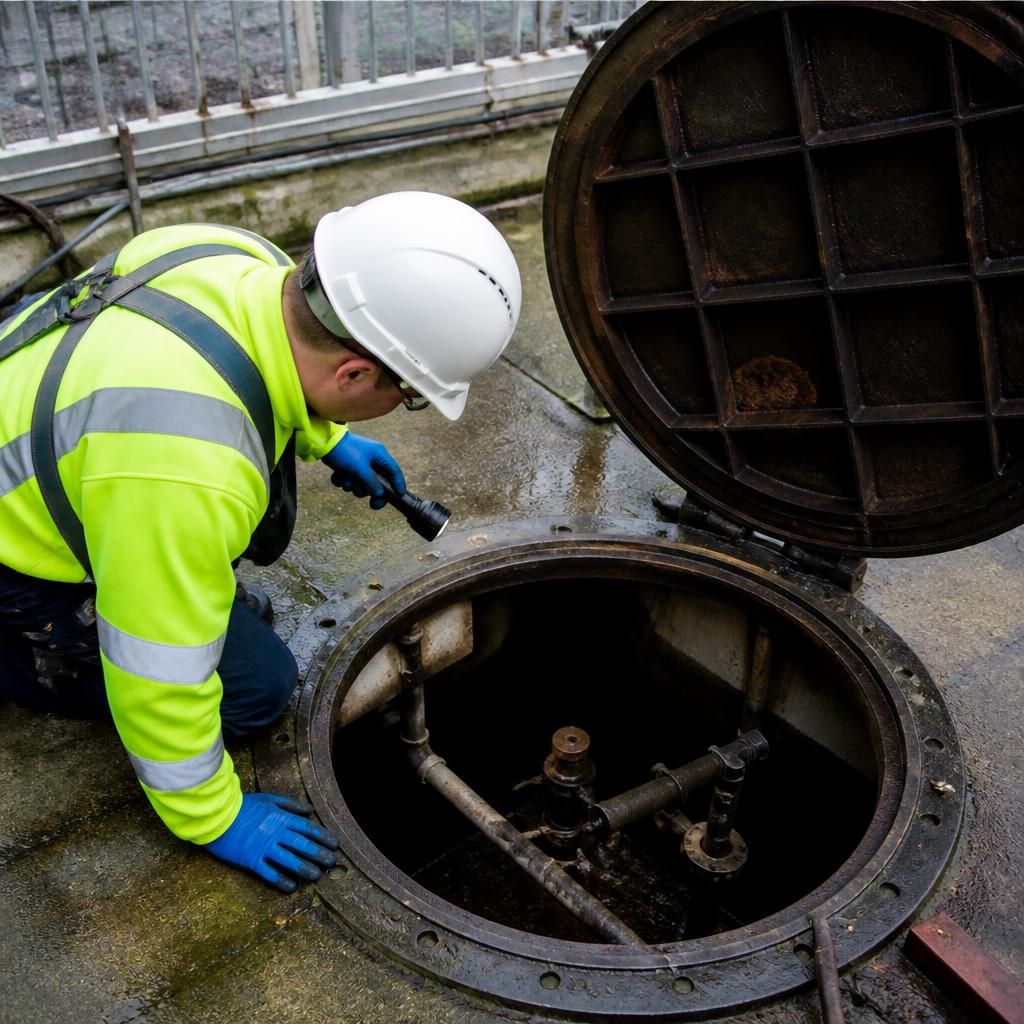
A complete waste water tank cleaning quotation should also include clear document-control and acceptance details. It should show the quotation date, reference number, revision status, client and site details, and the person responsible for preparing it. This helps prevent an earlier scope or price being mistaken for the current offer, particularly where information is updated after a survey.
The quotation should explain how the client accepts the work and which terms govern the agreement. It may need to record an authorised signatory, purchase order requirements, any documents that form part of the scope, and the procedure for approving changes. If the quotation conflicts with a separate client specification or contract, the contractor should identify which document takes precedence before work is authorised.
Discuss your waste water tank cleaning quotation
If you need to clarify the scope, assumptions or compliance requirements for a waste water tank cleaning quotation, discuss your site requirements with Blue Fish Water Management Ltd. Their team can help identify the information needed to develop a suitable quotation for your business.