
Who is responsible for preparing a diesel tank for cleaning?
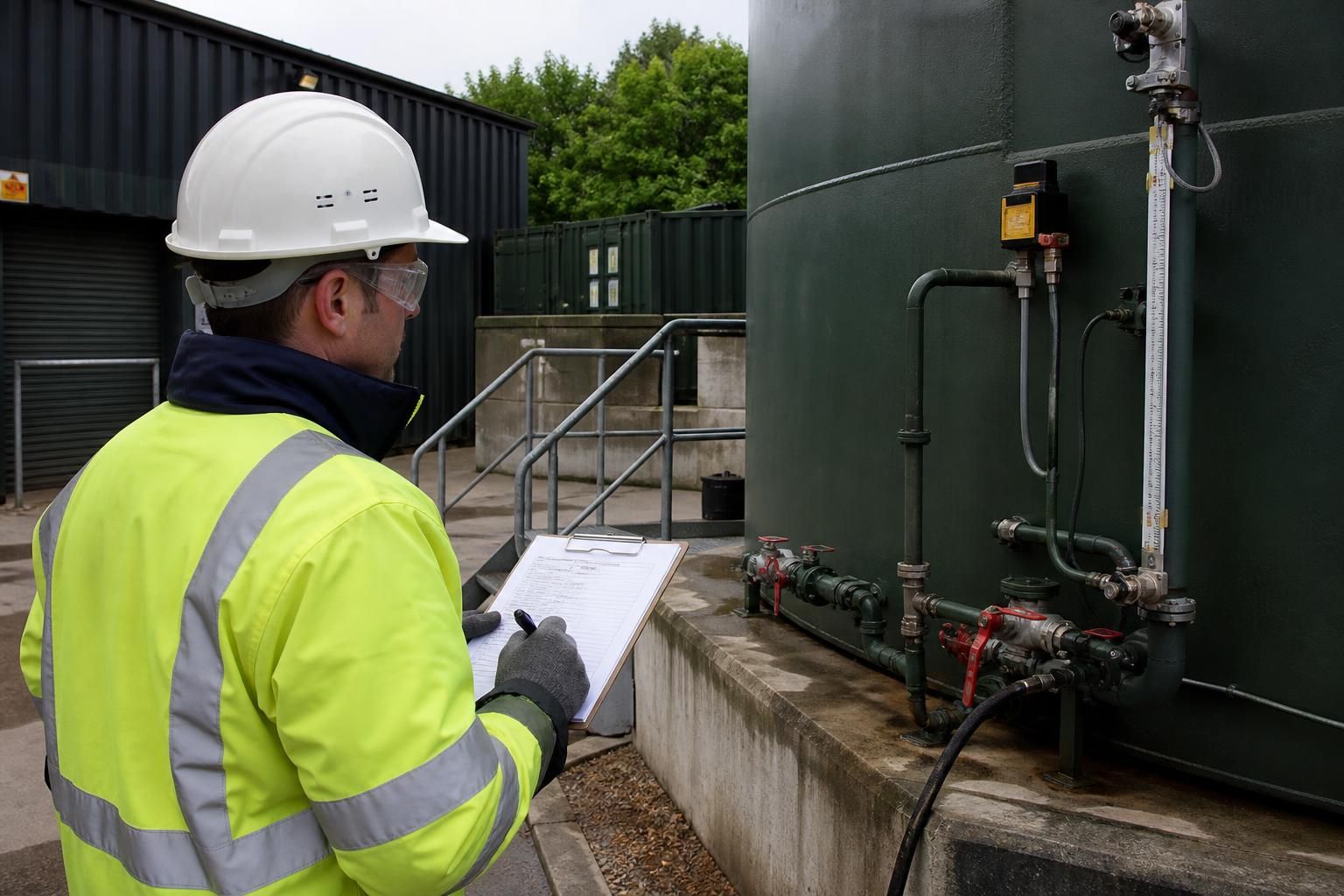
Responsibility for preparing a diesel tank for cleaning is shared, but the primary duty rests with the person or organisation controlling the tank and the site. The owner or operator must provide accurate information and arrange the site conditions needed for safe work, while the competent cleaning contractor is responsible for defining the technical method, checking that the arrangements are suitable and carrying out the preparation and cleaning safely.
The tank owner or site operator should establish why the tank is being cleaned, identify the people affected by the work and coordinate the activity with normal site operations. This may be the asset owner, a tenant, a facilities manager or another employer with control of the fuel installation. Where responsibilities are divided between an owner and an occupier, they should agree those responsibilities in writing before the contractor attends.
The organisation controlling the site should give the contractor reliable information about the installation. Relevant information can include:
- the tank's location, capacity, age and construction;
- the type and condition of the diesel stored;
- connected pipework, pumps, dispensing equipment and automatic controls;
- previous contamination, maintenance or cleaning records;
- known defects, leaks, corrosion or access restrictions; and
- nearby hazards, including vehicle movements, electrical equipment, other fuel systems and drainage arrangements.
This information allows the contractor to assess the proposed method before work begins. The site operator should not assume that a contractor can identify every hidden hazard from a visual inspection alone. Unknown contents, altered pipework or inaccurate records can materially change the risk assessment.
The contractor's responsibility is to turn the available information into a safe, suitable work plan. This normally involves reviewing the tank and its surroundings, identifying hazards, preparing method statements and risk assessments, and specifying the equipment, personnel and controls required. The contractor should explain any information or site condition that is missing and should not proceed if the proposed controls are inadequate.
Technical preparation may include examining the tank's construction, confirming how it can be accessed, checking for hazardous atmospheres and establishing how residual fuel, sludge and contaminated liquids will be removed. If entry into the tank is contemplated, confined-space precautions become particularly important. Entry should not be treated as a routine part of cleaning: it requires a specific assessment, suitable atmosphere monitoring, controlled access, trained personnel, communication and an emergency rescue arrangement. In many cases, a method that avoids entry may be preferable.
Site management also has practical duties before the work starts. It should coordinate the cleaning with fuel deliveries, vehicle movements, maintenance and other contractors. The work area may need to be segregated, ignition sources controlled and relevant equipment taken out of service. Any isolation or shutdown should be verified through an agreed process rather than relying solely on a verbal instruction. The person responsible for the site should also ensure that people who could be affected understand the restrictions and escalation arrangements.
The cleaning contractor should confirm what the owner or operator must do before arrival and what the contractor will do on site. This written confirmation should cover the planned sequence, tank status, access arrangements, required documentation, responsibilities for residual fuel and waste, emergency contacts, and the criteria for stopping work. If the tank forms part of a critical fuel supply, the operator should make a separate operational decision about alternative arrangements and the consequences of taking the system out of service.
Waste and environmental responsibilities should be agreed in advance. Sludge, water, contaminated fuel, filters and absorbent materials may require controlled handling and disposal. The organisation producing or controlling the waste retains duties under applicable waste requirements, even where a contractor has been appointed to remove it. The parties should establish who will classify, store, transport and dispose of each waste stream and what records will be provided.
After cleaning, the contractor should report the condition found, work completed, waste removed, defects identified and any restrictions on returning the tank to service. The owner or operator remains responsible for deciding whether the installation can safely be put back into operation, once the contractor has supplied the necessary technical information. Any defect requiring repair should be recorded and assigned to a suitably competent person rather than being left as an informal recommendation.
In practical terms, the safest arrangement is a documented handover: the site controller provides accurate asset and hazard information, confirms the operational controls, and makes the workplace available under agreed conditions; the contractor verifies those arrangements, controls the cleaning method and stops if the conditions differ from the plan. Clear allocation of these duties prevents assumptions about who is responsible for a hazardous or incomplete preparation.
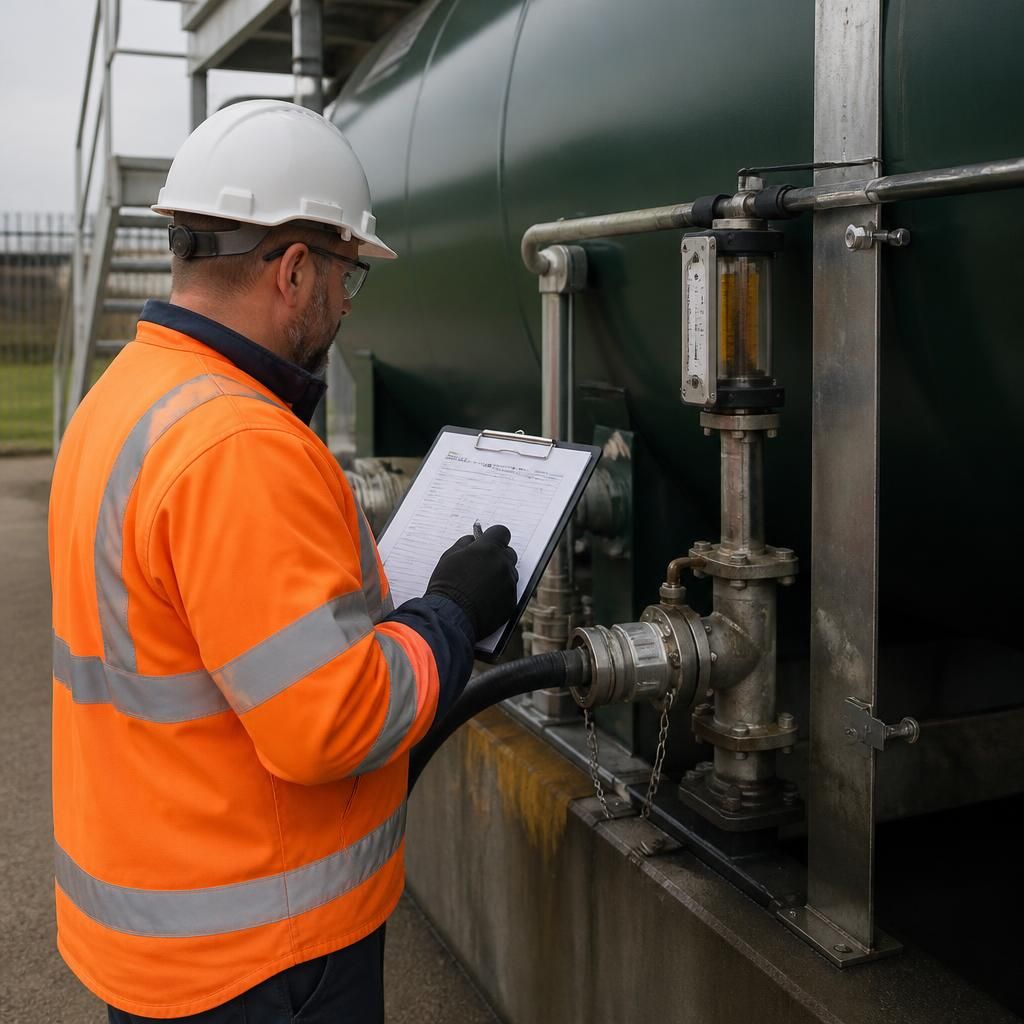
A permit-to-work system helps clarify who authorises the activity, but issuing a permit does not transfer responsibility for safe preparation. The site controller remains responsible for confirming that the workplace is suitable and that the stated conditions are accurate. The contractor remains responsible for following an appropriate cleaning method and for stopping the work if conditions do not match the agreed controls.
The permit should record the specific tank, isolation requirements, access limitations, hazards, authorised personnel and any restrictions on related site activities. It should be reviewed if the scope changes, if unexpected contamination is found or if the tank cannot be isolated as planned. This makes the allocation of responsibility auditable rather than relying on assumptions between the business commissioning the work and the cleaning contractor.
Discuss Your Diesel Tank Cleaning Responsibilities
Discuss your diesel tank cleaning arrangements with a competent specialist before work is scheduled, so responsibilities, site information and required controls are clearly defined. Contact Blue Fish Water Management Ltd to review the preparation requirements for your installation.