
What signs indicate that a diesel tank needs cleaning?
A diesel tank may need cleaning when fuel filters repeatedly block, fuel appears dark or cloudy, water or sediment is found, microbial contamination is suspected, or equipment develops unexplained starting and performance problems. Visible sludge, corrosion or a persistent fuel odour can also indicate that accumulated contamination requires professional assessment and cleaning.
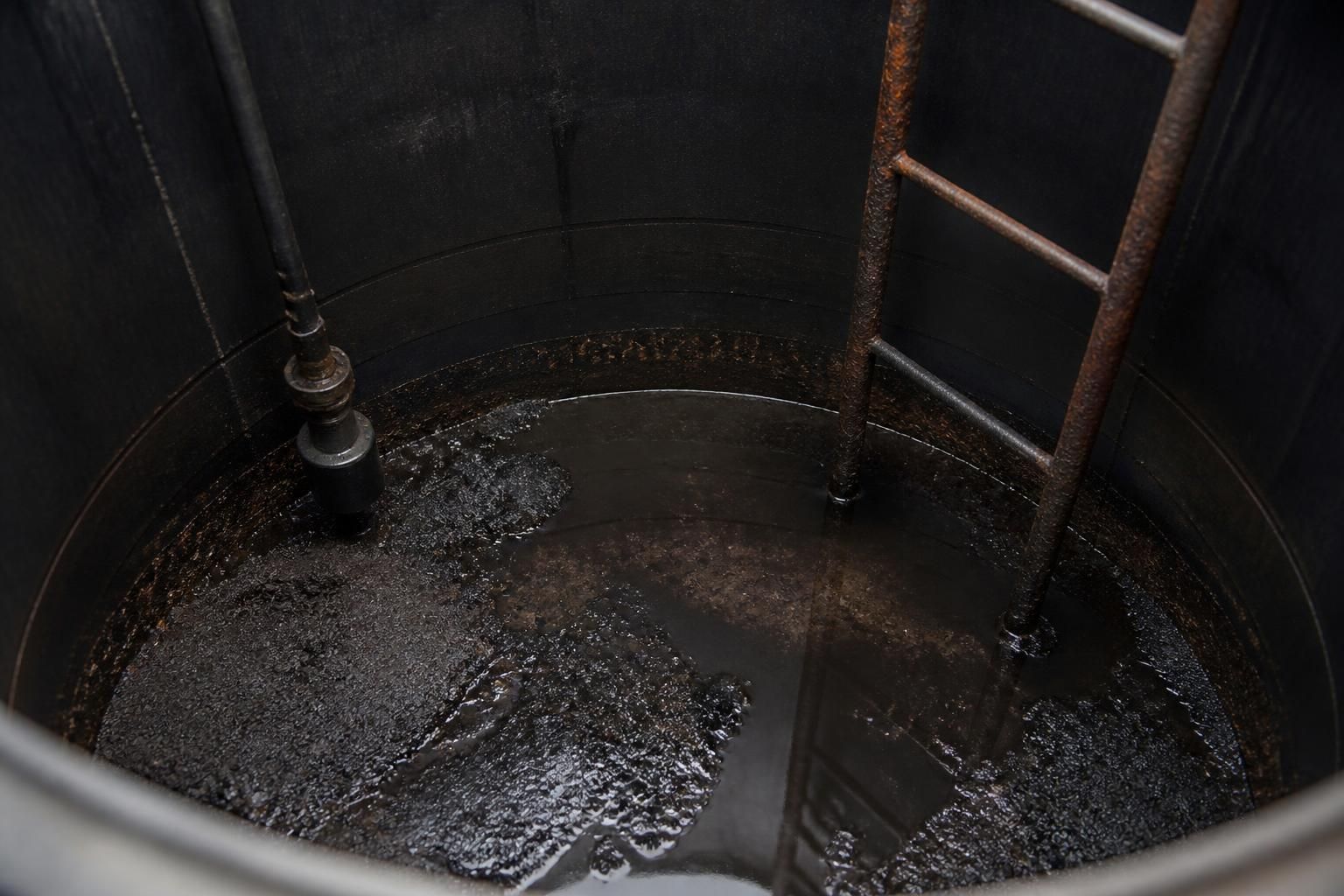
A diesel tank should be considered for cleaning when its operating history, inspection findings or storage conditions show that internal cleanliness can no longer be assumed. The strongest indicators are an overdue risk-based review, prolonged storage, a known contamination event, possible ingress routes, unexplained stock discrepancies, inaccessible inspection points and disturbance during maintenance or modification works.
- The planned cleaning or inspection interval has been exceeded. There is no universal cleaning interval suitable for every tank. The appropriate frequency depends on tank design, fuel turnover, environmental exposure, operating criticality and the findings of previous inspections. If the interval set by the site’s risk assessment, maintenance plan or tank inspection programme has passed, the tank should be reviewed rather than left on an informal schedule.
- Fuel has remained in storage for a prolonged period. Low-turnover tanks, standby generator tanks and reserve fuel systems can remain static for long periods. Extended storage increases the importance of checking the tank, because the fuel may not be circulated sufficiently to reveal developing issues and settled material may remain undetected at the base of the tank.
- A previous contamination or ingress incident has occurred. A spill, flood, damaged filling arrangement, failed seal or maintenance error can introduce unwanted material into a tank. Even when the immediate cause has been corrected, the tank may still require internal cleaning and verification before it is returned to normal service.
- The tank has an identifiable route for further ingress. Missing or damaged caps, poorly protected vents, defective seals and exposed filling connections can allow moisture or debris to enter. Cleaning alone will not resolve the underlying fault, so the source should be repaired and the tank’s protection reviewed as part of the same investigation.
- Fuel stock records no longer reconcile reliably. A persistent difference between recorded deliveries, measured tank levels and fuel issued may indicate leakage, inaccurate gauges, measurement error or unauthorised removal. This is not proof that cleaning is required, but it is a reason to inspect the tank and associated equipment before treating the discrepancy as an administrative issue.
- Internal inspection is no longer practicable or has identified a defect. A tank that cannot be safely inspected through its access arrangements may need specialist assessment. Findings such as damaged internal fittings, failed coatings or deteriorating access components can indicate that cleaning should form part of a wider remedial programme. Structural defects should be assessed separately; cleaning is not a substitute for tank repair.
- Maintenance or alteration work has disturbed the storage system. Tank replacement, pipework alterations, gauge installation, pump work or cleaning of connected equipment can introduce debris or disturb material that has settled within the system. After such work, the tank and connected lines should be checked before normal operation resumes, particularly where the fuel supplies safety-critical equipment.
These signs should be assessed alongside the tank’s construction, fuel type, connected pipework and operational importance. A single indicator may justify investigation without proving that a full clean is necessary. Conversely, several moderate concerns may together provide a strong case for planned cleaning.
A competent assessment normally reviews maintenance and delivery records, examines the tank and associated fittings where safe to do so, checks for possible ingress or leakage, and considers whether the fuel can be safely retained during the work. The contractor should distinguish between contamination that cleaning can remove and defects that require repair, replacement or changes to operating controls.
Where cleaning is recommended, the method should be selected for the tank’s size, access, construction, fuel use and site constraints. The work should include suitable isolation, control of ignition and environmental risks, responsible handling of removed residues, and appropriate checks before the tank is returned to service. Keeping the findings and follow-up actions in the site’s maintenance records helps establish a defensible basis for future inspection and cleaning decisions.
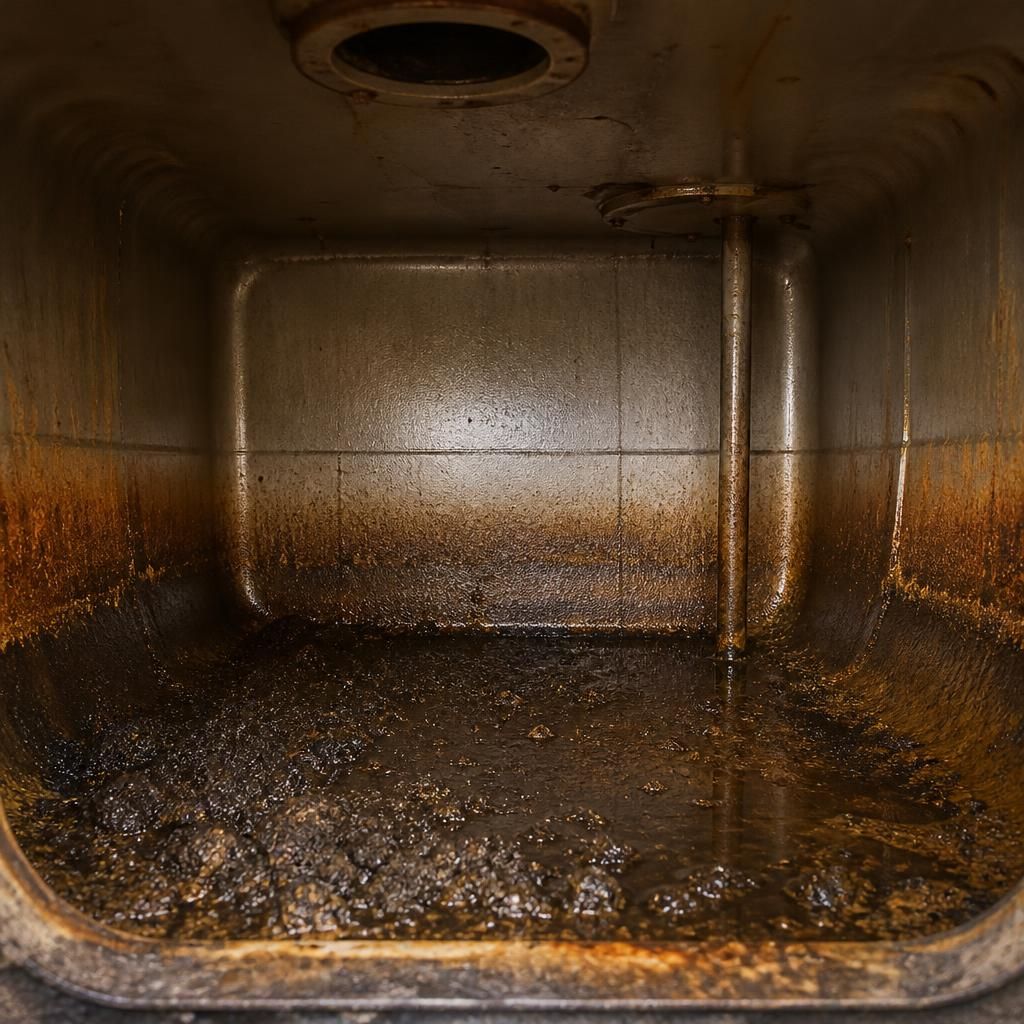
Fuel sampling can help confirm whether a diesel tank’s warning signs are caused by contamination rather than a fault elsewhere in the fuel system. A representative sample should be assessed for visible water, sediment, discolouration and signs of microbial growth, with laboratory testing used where the cause or extent of contamination is uncertain.
Sampling from different points can also be informative. Material collected from the tank’s lowest accessible point may reveal settled water or sludge that is not apparent in fuel taken from the outlet. Results should be considered alongside filter condition, equipment symptoms and tank records. Where contamination is confirmed, the findings can help determine whether the tank needs cleaning, fuel treatment, repairs to prevent recurrence, or further investigation of connected pipework.
Discuss your diesel tank cleaning requirements
Discuss your diesel tank cleaning requirements with Blue Fish Water Management Ltd to review the available evidence and determine an appropriate next step for the tank and connected system.