
When is fuel tank cleaning necessary?
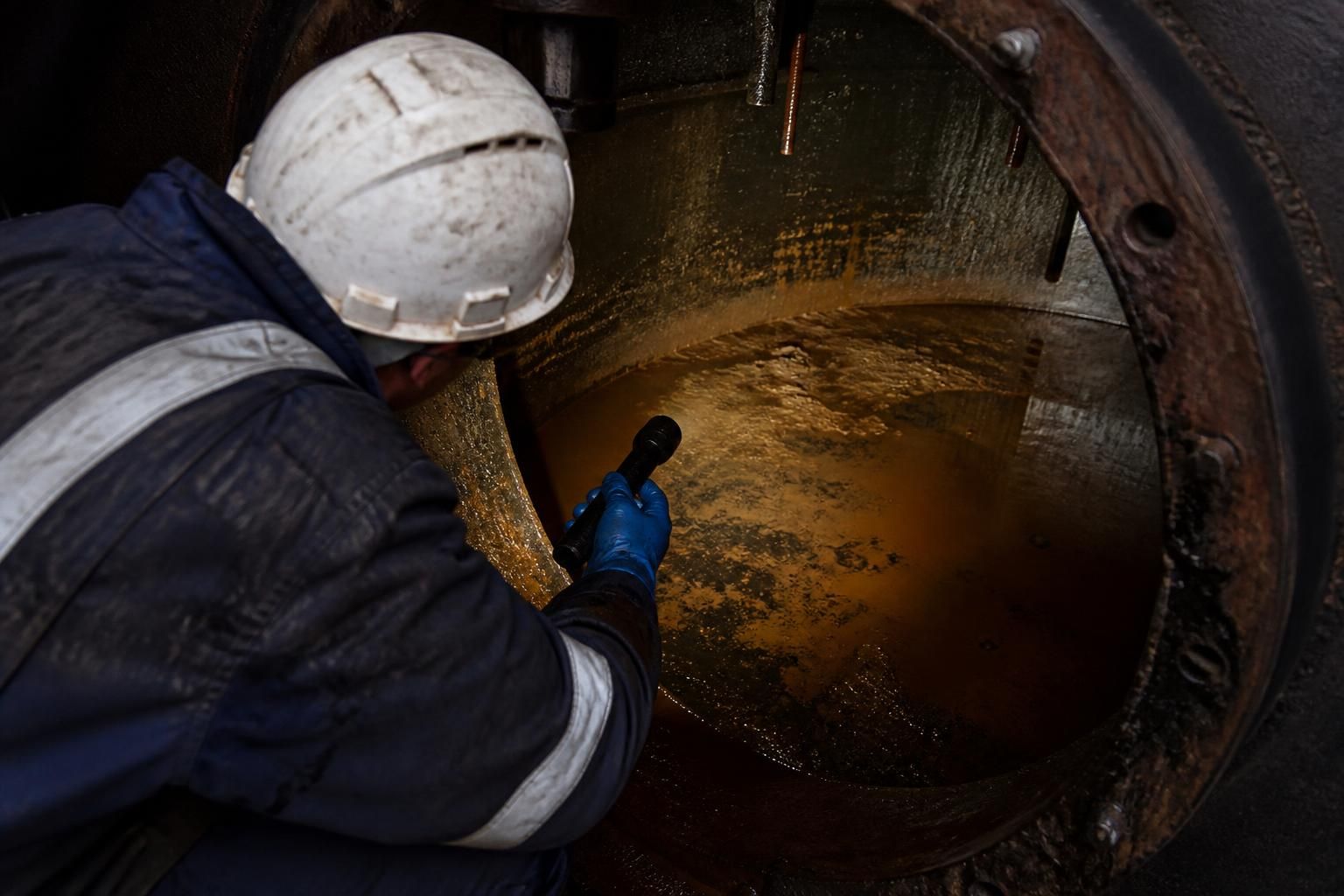
Fuel tank cleaning is necessary when contamination, deterioration or changes in use create a credible risk to fuel quality, equipment reliability or safe operation. The decision should be based on inspection findings, fuel analysis and the consequences of a tank or fuel system failure, rather than on a fixed interval alone.
Cleaning is commonly required in the following circumstances:
- Water is present in the tank. Condensation, leaks and poor fuel handling can introduce free water. Water can promote corrosion, support microbial activity and reach pumps, filters or engines.
- Sludge or sediment has accumulated. Heavier contaminants settle at the tank bottom and may be disturbed when fuel levels change or the tank is refilled. If drawn into the system, they can restrict filters, damage components and affect combustion.
- Microbial contamination is suspected or confirmed. Bacteria and fungi can grow where water and fuel coexist. Indicators may include dark stringy deposits, blocked filters, unusual odours, recurring water, corrosion or a visible layer at the fuel-water interface. Fuel testing can help distinguish biological contamination from ordinary sediment.
- Fuel quality has deteriorated. Cloudy, darkened or unstable fuel, abnormal deposits and poor equipment performance may indicate oxidation or contamination. Cleaning may be needed alongside fuel treatment or replacement, depending on the test results.
- The tank or connected equipment shows signs of corrosion. Internal corrosion can generate further debris and may signal that water has remained in the tank. Cleaning allows the internal condition to be assessed, although severe corrosion may require repair or tank replacement rather than cleaning alone.
Cleaning may also be necessary after a change in circumstances. A tank that has been out of service for a prolonged period can contain settled contaminants, degraded fuel or accumulated condensation. It should be assessed before being returned to operation. Cleaning can also be appropriate after an incorrect fuel delivery, a spill, water ingress, flood damage, an underground pipework issue or other contamination incident.
Where a tank has been opened, repaired, recoated or modified, cleaning may be part of the preparation for recommissioning. Residues from maintenance work must not be allowed to enter pumps, burners, generators or other connected equipment. The system should be checked to confirm that it is suitable for use before fresh or recovered fuel is introduced.
The operational risk affects the decision. A contaminated tank supplying a standby generator, critical plant or an essential commercial process may justify earlier intervention than a low-consequence installation, because failure could interrupt important operations. The age and construction of the tank, fuel type, storage conditions, turnover, previous maintenance history and condition of filters and pipework should all be considered.
Fuel tank cleaning is particularly worth investigating when contamination keeps returning after filters have been changed or fuel has been treated. Repeated symptoms often indicate that the source remains inside the tank, in connected pipework or in another part of the storage system. Cleaning only the visible equipment without identifying the underlying source may provide a temporary improvement rather than resolving the problem.
Warning signs that warrant investigation include:
- frequently blocked or unusually dirty filters;
- engine misfiring, burner problems or unreliable starting;
- unexpected loss of fuel quality during storage;
- water or sediment found during tank sampling;
- fuel polishing or treatment that does not prevent recurring contamination;
- leaks, corrosion, damaged vents or evidence of water entering the tank; and
- an unexplained change in fuel appearance, odour or performance.
Not every problem requires a full clean. Sampling and inspection should establish whether the issue is confined to the fuel, located at the tank bottom, present throughout the system or caused by a structural defect. In some cases, fuel recovery and filtration may be sufficient; in others, the tank must be emptied, cleaned, inspected and the contaminated waste managed appropriately. Any defect that could allow further water or debris ingress should be addressed as part of the remedial work.
A competent assessment should also consider safety before work begins. Fuel type, tank location, access arrangements, vapour hazards, confined-space risks, ignition sources and the condition of connected systems all influence the cleaning method. The tank should be isolated using a suitable procedure, and work should be planned so that personnel, the surrounding premises and the environment are protected.
After cleaning, the fuel and tank should be checked before the system is placed back into service. This may include visual inspection, removal of remaining water and residue, examination of filters and pipework, and further fuel testing where contamination was suspected. Records of the findings, waste removal, remedial actions and any recommendations provide useful evidence for ongoing maintenance and compliance.
For business-critical or regulated fuel systems, the most defensible approach is to link cleaning to a documented inspection and risk assessment. This establishes why the work is needed, identifies whether additional repairs are required and helps determine when the tank should next be inspected, without relying on an arbitrary cleaning schedule.
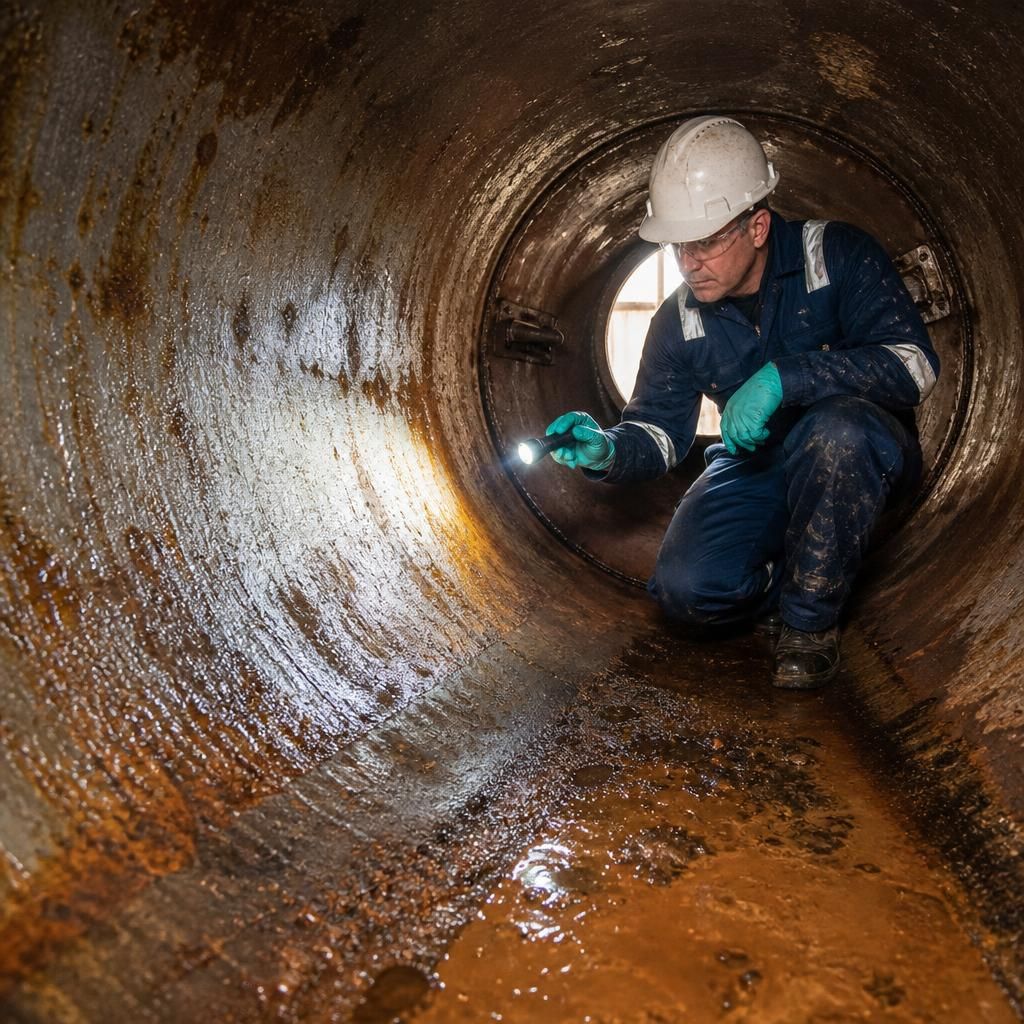
Fuel tank cleaning is necessary before a tank is removed, disposed of or converted to another use, even when the fuel system has not shown obvious operating problems. Residual fuel, vapour, sludge and deposits can remain after draining, making later cutting, hot work or dismantling unsafe unless the tank has been properly prepared.
The preparation should be planned by a competent contractor who can identify the fuel previously stored, isolate connected pipework, remove remaining contents and manage contaminated residues correctly. Where the tank will be entered or work may create heat or sparks, additional controls such as atmosphere testing, ventilation and formal confirmation that the tank is safe for the intended work may be required. Cleaning in this situation is therefore part of safe decommissioning, not simply a measure to improve fuel quality.
Discuss Your Fuel Tank Cleaning Requirements
If you need to establish whether fuel tank cleaning is appropriate for your installation, discuss the tank’s condition, fuel history and operational requirements with Blue Fish Water Management Ltd. A practical assessment can help identify the most suitable next step before cleaning is commissioned.