
What should you check before commissioning fuel tank cleaning?
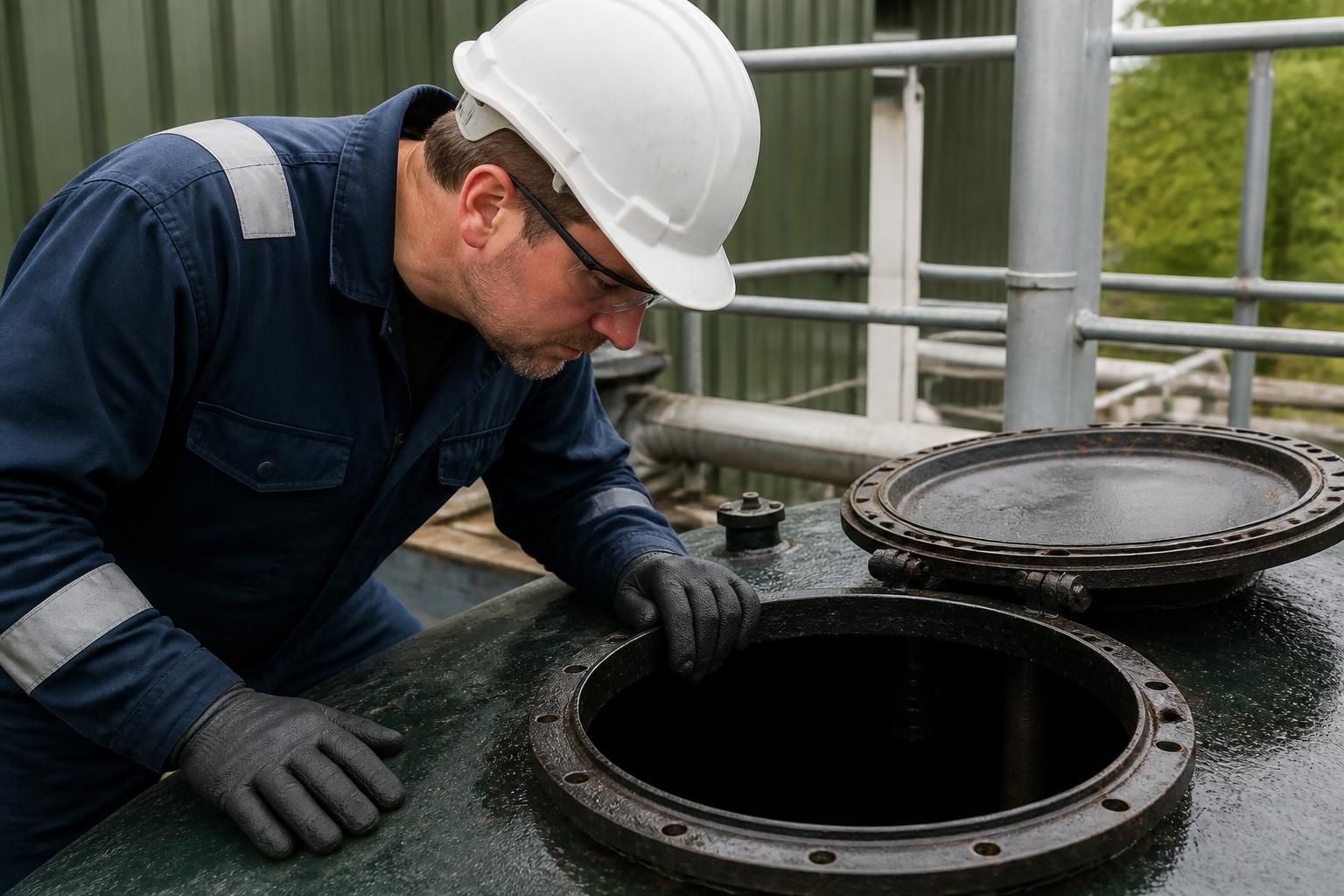
Before commissioning fuel tank cleaning, confirm that the proposed work is suitable for the tank, its contents and the way the installation operates. The checks should cover the tank’s condition, the fuel system, access arrangements, isolation requirements, environmental controls, waste disposal and the records you will receive afterwards.
Check that the scope is specific to your installation. A useful proposal should identify the tank type, capacity or approximate size, fuel stored, access points, associated pipework and the deposits or contamination expected. Ask whether the service covers only removal of sludge and sediment or also includes internal inspection, water removal, filtration, polishing, pipework checks or treatment of related components. Unclear scope can result in important tasks being treated as additional work once the tank has been opened.
Provide accurate information about the tank and fuel. Tell the contractor whether the tank is above ground or underground, single- or double-skinned, fixed or mobile, and whether it is located within a bund or a restricted area. Information about previous cleaning, fuel turnover, known leaks, corrosion, water ingress and unusual odours can affect the proposed approach. If drawings, inspection records or photographs are available, share them before the quotation is prepared.
Establish how the fuel supply will be managed. Cleaning commonly requires the tank to be taken out of service, so confirm how the remaining fuel will be removed, stored, filtered, returned or disposed of. Ask whether connected pumps, burners, generators or vehicles need to be isolated and who is responsible for arranging that isolation. The plan should also explain how the installation will be recommissioned and how contamination will be prevented from entering downstream equipment.
Review access and site constraints. Confirm the route for equipment, the location of tank entrances, available working space, vehicle access, lifting requirements and any restrictions affecting hoses or electrical equipment. If entry into the tank could be proposed, ask whether it can be avoided. Tank interiors may present confined-space, flammable-atmosphere, oxygen-deficiency and toxic-vapour risks; any proposed entry must therefore be justified, separately assessed and controlled by suitable procedures.
Ask how the contractor will protect people, property and the environment. The work plan should address ignition sources, static electricity, vapour control, spill prevention, fire precautions, personal protective equipment and emergency arrangements. It should also explain how removed sludge, contaminated fuel, absorbent materials and washings will be contained, transported and disposed of. Waste must be handled through appropriate channels, with documentation available where required to demonstrate its lawful transfer and disposal.
Clarify the inspection and acceptance criteria. Find out how the tank will be assessed after cleaning and what evidence will be provided. Depending on the installation, this may include photographs, notes on corrosion or coating damage, identification of remaining water or sediment, checks of accessible fittings and observations concerning the bund or surrounding area. A cleaning service does not automatically repair structural defects, so any leak, corrosion or damaged component should be reported separately with a clear recommendation.
Check the effect on fuel quality and equipment. Removing contamination from the tank is only part of the process if water or sediment has already reached filters, pumps, burners or engines. Ask whether associated filters should be changed, whether fuel samples will be taken, and whether the contractor will identify conditions that could cause the tank to become contaminated again. The appropriate checks depend on the fuel and the connected equipment, so avoid accepting a standard package without confirming its relevance.
Confirm the records required by your organisation. Before work starts, agree the format and content of the completion information. A useful record may include the date of cleaning, tank identification, work carried out, waste transfer details, inspection findings, photographs, fuel or residue observations and recommendations for further action. Keep this information with the tank’s maintenance and environmental records so it can support future inspections, audits and decisions about maintenance.
Compare quotations on deliverables rather than price alone. Check whether each quotation states the assumptions made, exclusions, possible additional charges, cancellation arrangements and responsibilities for fuel handling, isolation and site preparation. Ask how unforeseen conditions such as heavy sludge, restricted access, damaged fittings or excessive water will be dealt with. A clear comparison should show what will happen before, during and after cleaning, rather than presenting a single unexplained total.
Commission the work only when the scope, risks, fuel-handling arrangements, waste route, inspection process and documentation are understood by all relevant parties. If the assessment identifies a leak, serious corrosion, damaged containment or a persistent source of water ingress, address that underlying defect as part of the wider maintenance plan rather than treating cleaning as a complete remedy.
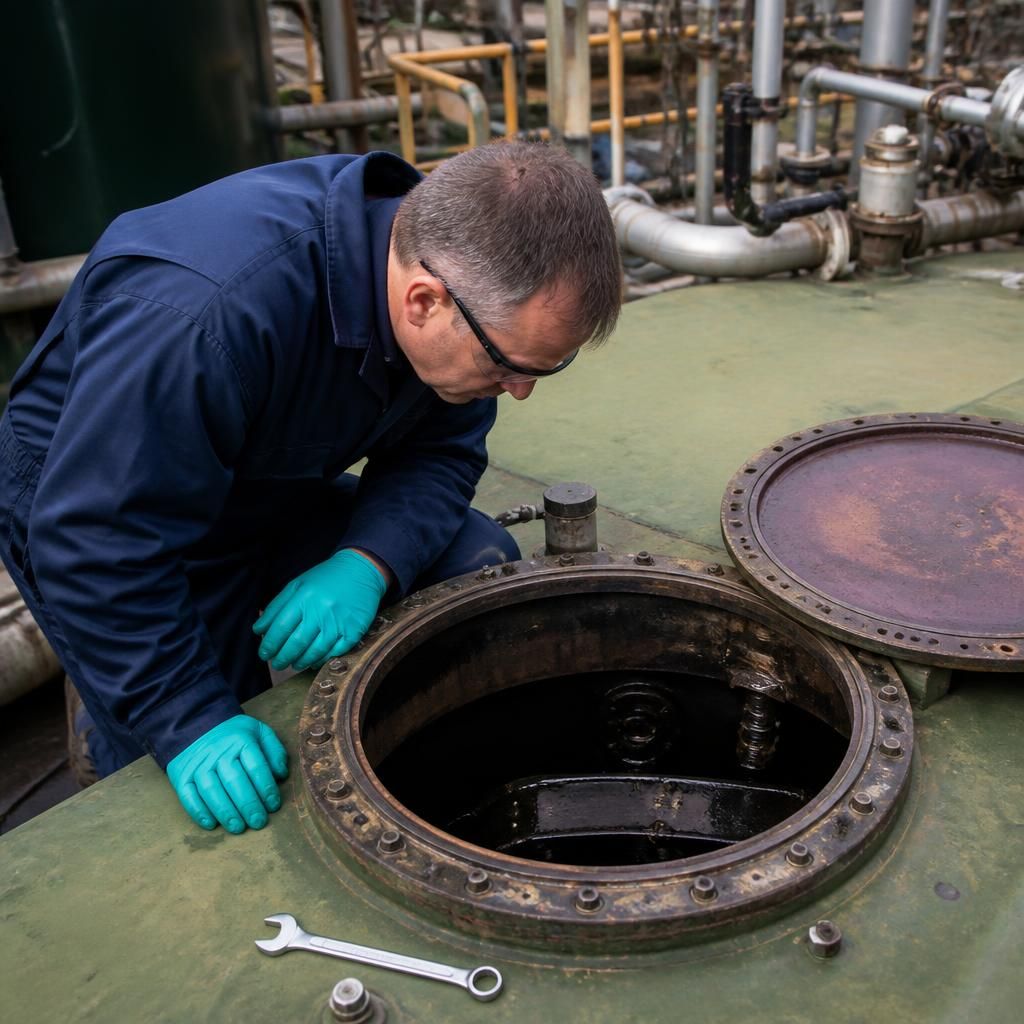
Before commissioning, ask the contractor to explain why the proposed cleaning method is suitable for the tank construction, internal lining, seals and stored fuel. The method should identify the equipment and processes to be used, including how sludge and sediment will be removed without damaging internal surfaces or introducing further contamination.
- Ask whether any cleaning agents or water-based processes are proposed and, if so, how compatibility and complete removal will be confirmed.
- Clarify whether the method relies on suction, filtration, manual removal or a combination of techniques, and what limitations apply to inaccessible areas.
- Confirm how the contractor will verify that the cleaning process is complete before the tank is returned to service.
A technically suitable method should be explained in the written proposal rather than selected solely for convenience. This gives you a clearer basis for comparing quotations and identifying whether the service is appropriate for the particular installation.
Request Advice Before Commissioning Fuel Tank Cleaning
If you need help defining a suitable fuel tank cleaning specification, contact Blue Fish Water Management Ltd to discuss the tank, fuel system and site requirements before commissioning work.