
How much does fuel tank cleaning cost?
Fuel tank cleaning costs vary according to the tank’s size and condition, the type and extent of contamination, access requirements, and whether fuel removal, waste disposal, testing or remedial work is needed. A reliable price therefore requires an assessment of the tank and the work involved rather than a standard rate.

There is no dependable standard price for fuel tank cleaning: the cost should be based on a defined work package and the conditions found at the site. A professional quotation should make clear what is included, what is excluded and which findings could lead to additional work.
What a fuel tank cleaning quotation may include
- Pre-work assessment: reviewing the tank arrangement, fuel type, available records and safe access arrangements before work begins.
- Preparation and isolation: making the tank and connected equipment safe, controlling ignition risks and coordinating any interruption to the fuel system.
- Cleaning operations: removing sludge, sediment, water, biological growth or other deposits using a method suitable for the tank and its contents.
- Fuel handling: transferring, filtering, storing or returning usable fuel where this forms part of the agreed scope.
- Waste management: classifying, containing, transporting and disposing of contaminated fuel, sludge and cleaning residues through the appropriate waste route.
- Inspection and reporting: recording the condition of the tank, documenting the work completed and identifying defects that may require attention.
The quoted amount can also be affected by the tank’s location, the number of tanks being treated, the equipment required and the site’s health and safety controls. Tanks in restricted areas, below ground or connected to critical plant may require more preparation and specialist procedures than a readily accessible standalone tank.
Why two quotations may differ
Prices are not always comparable simply because they describe the same service. One contractor may quote for cleaning only, while another may include fuel recovery, waste documentation, internal inspection, sampling or a written report. A low initial price may therefore exclude activities that are necessary to complete the work responsibly.
Before comparing proposals, check whether each quotation states:
- the tank or tanks covered and the estimated scope of work;
- how remaining fuel and contaminated material will be handled;
- whether waste transport and disposal charges are included;
- what testing, inspection or reporting will be provided;
- how access, isolation and site safety requirements are treated;
- the basis on which additional work would be authorised; and
- whether remedial repairs are excluded from the cleaning price.
Cleaning versus remedial work
Cleaning removes contamination; it does not automatically correct corrosion, damaged coatings, leaking fittings, defective vents or structural problems. If inspection identifies a defect, repairs, component replacement or further investigation may be quoted separately. Keeping those items separate helps a business distinguish the cost of restoring the tank from the cost of routine cleaning.
How to obtain a more useful estimate
Provide the contractor with the tank type, capacity, fuel held, approximate quantity remaining, cleaning history, known contamination, photographs, access details and any operational constraints. Existing inspection records and information about connected pumps, generators or heating equipment can also help define the job accurately.
For a business managing fuel storage, the lowest headline price is not necessarily the lowest overall cost. A quotation that clearly accounts for safe preparation, appropriate waste handling and suitable documentation makes budgeting easier and reduces the risk of unplanned charges. Blue Fish Water Management Ltd can advise on the scope of fuel tank cleaning and associated inspection, testing or remedial requirements for commercial and industrial sites across the UK.
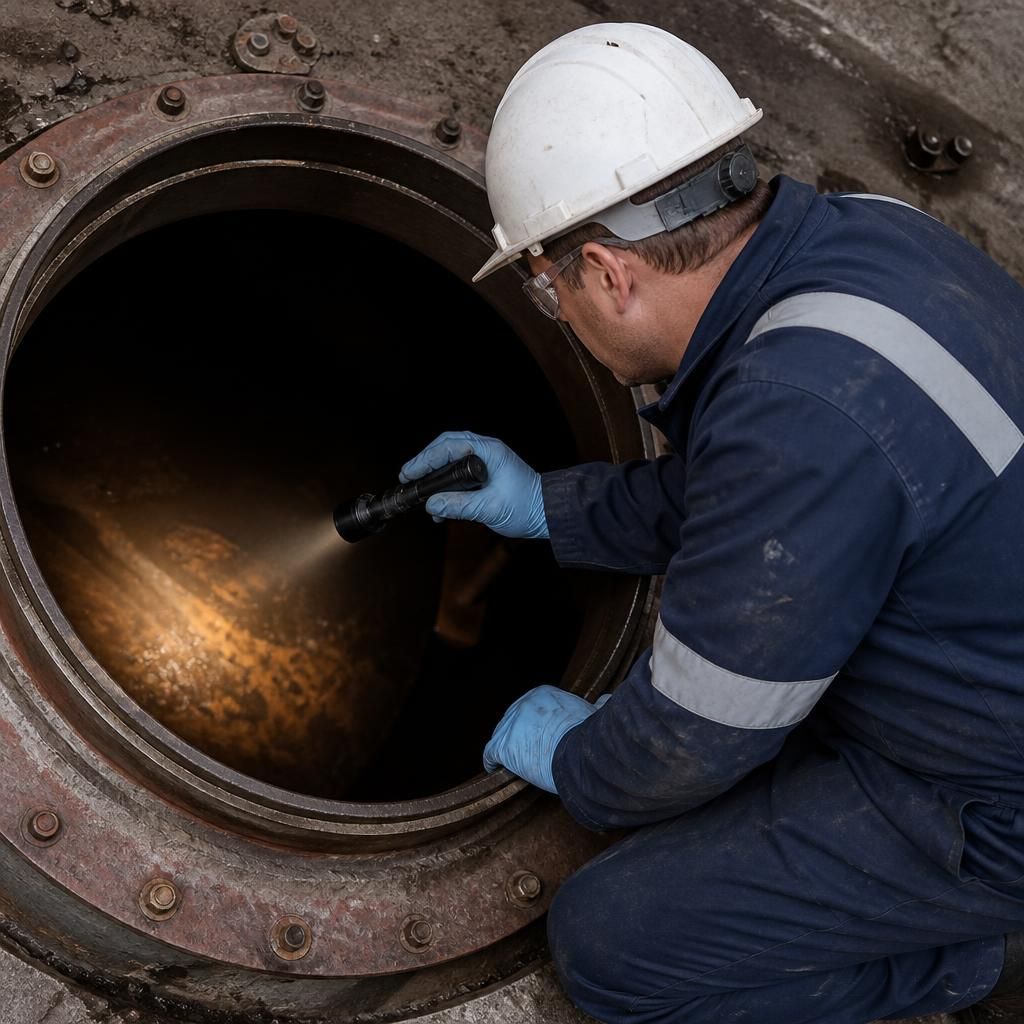
Fuel tank cleaning is usually priced as a complete, site-specific job rather than by tank capacity alone. The quotation should show which costs are fixed and which depend on conditions discovered during the work, such as the volume of recoverable fuel, the classification of waste or the need for additional access equipment.
When reviewing a price, confirm whether VAT, mobilisation, sampling, waste documentation and any return visit are included. It is also useful to ask how the contractor will deal with changes to the agreed scope and whether work will stop for approval if unexpected contamination, corrosion or damaged components are found. This gives the person responsible for procurement a clearer final cost and separates necessary cleaning from optional remedial work.
Discuss your fuel tank cleaning requirements
Discuss your fuel tank cleaning requirements with Blue Fish Water Management Ltd to establish the appropriate scope for your commercial or industrial site. The team can help identify the information and site details needed before cleaning is commissioned.