
What should a water tank disinfection quotation include?
A water tank disinfection quotation should clearly define the tank and connected system covered, the disinfection method, preparation and access requirements, safety controls, testing arrangements, and the relevant compliance documentation. It should also itemise costs, identify exclusions or remedial work separately, state any assumptions, and explain the reporting and follow-up support provided after the work.
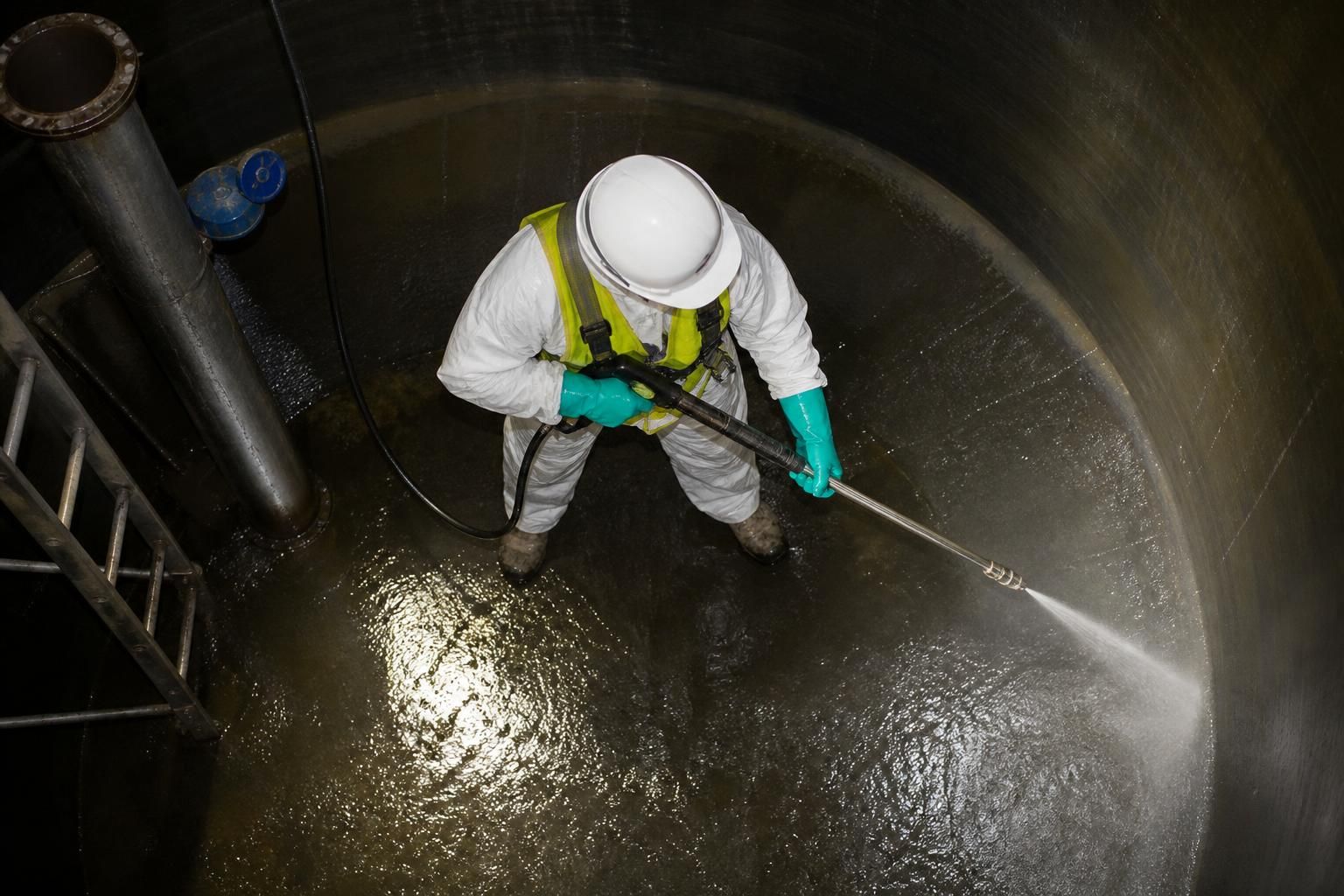
A useful water tank disinfection quotation is a written description of the proposed work, the evidence on which it is based, the standards and safety controls that apply, and the complete cost of delivering it. It should enable a responsible person, facilities manager or procurement team to compare quotations on a like-for-like basis and understand exactly what will happen before, during and after the disinfection.
In addition to identifying the tank and associated installation, the quotation should record the information used to prepare it. This may include a site survey, tank inspection, available drawings, previous water quality results, the condition of the tank and fittings, and any restrictions affecting isolation or drainage. If the quotation is based on assumptions rather than a physical inspection, those assumptions should be stated clearly. A contractor should not present uncertain quantities of work as fixed facts.
The proposed work should be broken into understandable stages rather than described as a single unexplained charge. Depending on the installation, this may include:
- preparation, isolation and draining of the tank;
- cleaning or removal of deposits before disinfection;
- treatment of the tank, pipework, valves, pumps and other connected components within the agreed scope;
- flushing and reinstatement of the system;
- sampling, laboratory analysis and interpretation of results; and
- issue of the completion record and any recommendations arising from the work.
The quotation should distinguish tasks that are included from tasks that may be needed only if an inspection identifies a problem. For example, damaged covers, defective valves, corroded components, inaccessible sections, poor drainage or inadequate fittings may require remedial work before disinfection can be completed properly. These items should be priced separately where possible, rather than being absorbed into an unclear provisional sum.
Costs should be transparent. A suitable quotation normally shows the price for each major element, any provisional allowances, VAT treatment, payment terms and the period for which the quoted price remains valid. It should also explain how additional work will be authorised and charged if site conditions differ from the information supplied. Terms relating to cancellation, aborted attendance, repeat visits or failed tests should be visible before acceptance, not introduced after the work has started.
Safety information is an important part of the quotation, even where the detailed method statement is supplied as a separate document. The quotation should identify relevant hazards such as confined spaces, chemical handling, work at height, electrical equipment, contaminated water, manual handling and system isolation. It should also state which party is responsible for providing permits, access equipment, isolation arrangements, welfare facilities and safe access to the tank. Where the work affects a live building or a critical water supply, the proposed arrangements for maintaining essential services should be explained.
Compliance information should be specific enough to show how the work will be managed. The quotation may refer to the client’s duties under applicable health and safety legislation, the control of legionella in water systems, and relevant industry guidance such as the Health and Safety Executive’s guidance for the control of legionella bacteria in water systems. It should identify the records that will be produced, including treatment details, readings, certificates, laboratory reports and any limitations affecting the result.
Testing details deserve particular scrutiny. The quotation should state whether samples are taken on site or submitted to a laboratory, what analysis is proposed, which sampling points are used, and whether the price includes sample collection, laboratory fees and reporting. If a result is unsatisfactory, the quotation should explain whether investigation, further flushing, repeat disinfection or additional samples are included or treated as separate work. Results should be traceable to the relevant tank or system through sample references, dates and locations.
A quotation should also clarify the documents supplied at completion. These may include a certificate of disinfection, a service report, test results, photographs, updated asset information, a record of any defects and recommendations for future monitoring. A certificate should not be treated as proof that every part of a water system is permanently free from risk; it records the work and findings for the defined scope at a particular time. The report should therefore identify any areas not inspected, treated or tested.
Before accepting a quotation, the client should check that it answers the following points:
- What installation and components are included?
- What information or survey findings support the proposed price?
- Which preparation, access and reinstatement tasks are included?
- What testing and reporting are included, and who performs the analysis?
- Which repairs, repeat visits or failed-test responses are excluded?
- What safety responsibilities remain with the client?
- How are variations agreed and charged?
- What compliance records will be supplied at completion?
The lowest quotation is not necessarily the most comparable. An apparently cheaper price may exclude tank cleaning, laboratory testing, access arrangements, connected pipework or follow-up work. Comparing the scope, assumptions, exclusions, evidence and deliverables alongside the headline cost gives the client a more reliable basis for appointing a competent water hygiene contractor.
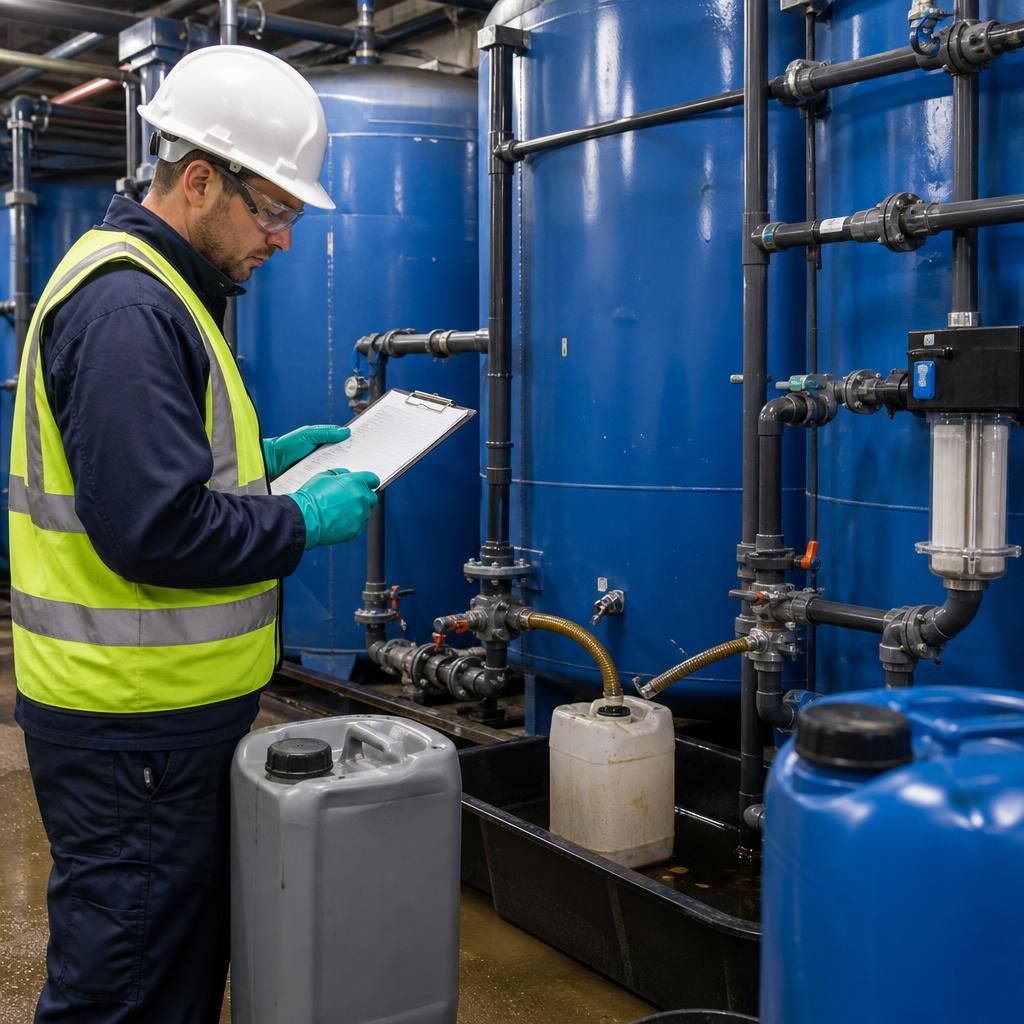
A water tank disinfection quotation should explain how chemical residues and flushing water will be controlled and disposed of. This is particularly important where discharge to a foul drain, surface-water system or trade effluent route is restricted. The quotation should identify any neutralisation process, discharge permissions, sampling or disposal requirements, and whether specialist waste handling is included in the price.
It should also state what happens if the agreed discharge route cannot be used. A clear alternative, such as temporary storage, tanker removal or a separately priced disposal arrangement, prevents an unexpected cost or delay from arising during the work. These details help the client assess the quotation as a complete operational plan rather than simply a price for applying disinfectant.
Request a Water Tank Disinfection Quotation
Provide the tank details, available inspection information and any known access or system constraints when requesting a quotation. Blue Fish Water Management Ltd can use this information to prepare a clearly defined proposal for the required disinfection work, testing and completion records.