
How is GRP water storage tank disinfection verified before recommissioning?
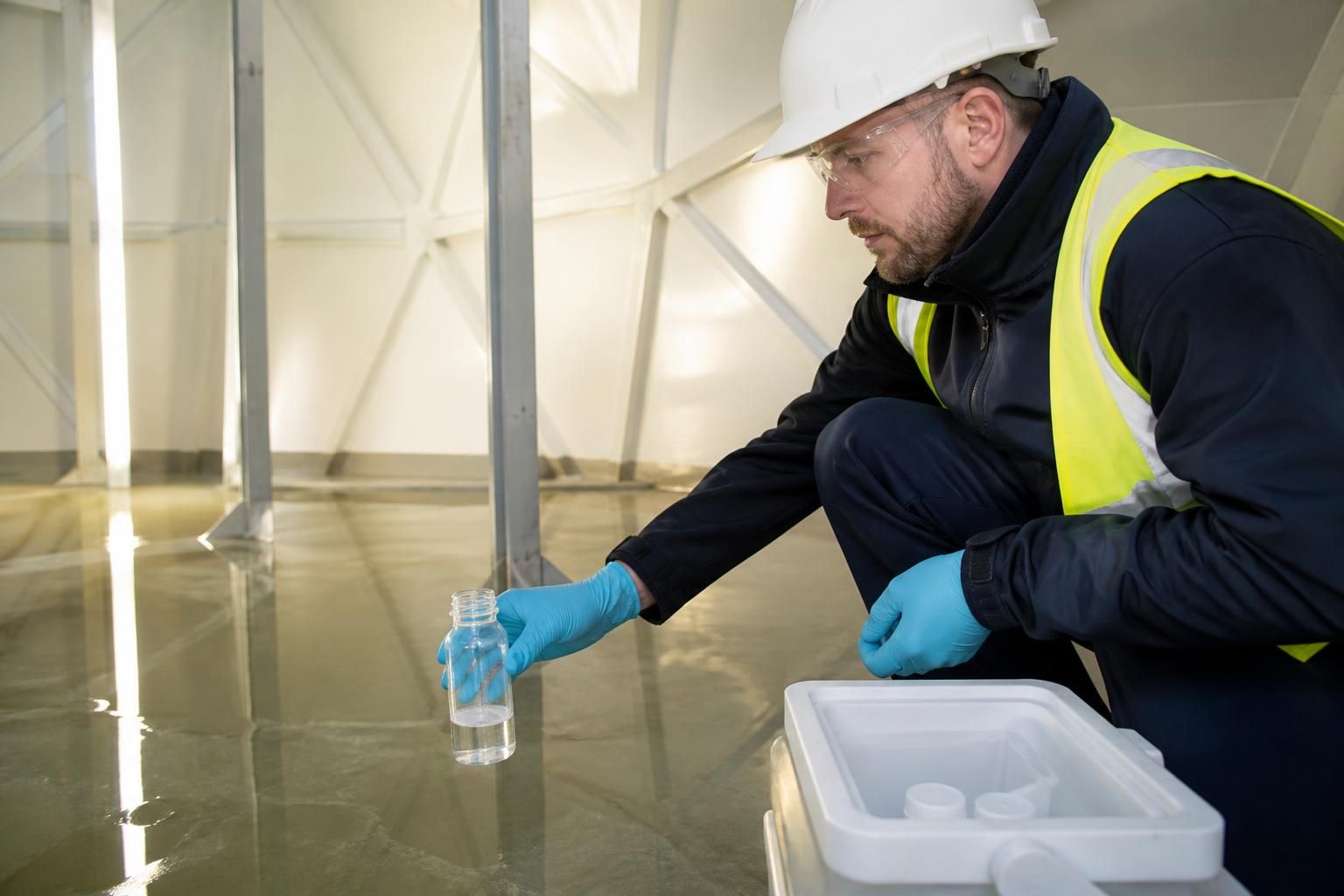
Verification before recommissioning is a documented process that confirms the GRP tank is clean, chemically safe, physically fit for use and supported by acceptable post-disinfection water quality results. The tank should not be returned to service solely because the disinfection solution has been drained; the evidence must show that the treatment was completed correctly and that the system is suitable for continued operation.
Verification normally covers the following stages:
- Review of the disinfection method: The record should identify the tank, connected pipework or fittings included in the work, the disinfectant used, the areas treated, the treatment sequence and the measured contact conditions. Any limitations, such as sections that could not be reached or isolated, should be recorded rather than assumed to have been treated.
- Internal inspection: Once emptied and made safe to enter where applicable, the tank is examined for remaining sediment, slime, deposits, staining, damaged GRP surfaces, defective access covers, degraded seals and contamination around inlets, outlets and overflows. The inspection also checks that cleaning has not left visible residues or debris.
- Rinsing and neutralisation checks: After disinfection, the tank and relevant pipework are flushed in accordance with the agreed procedure. Testing may be used to confirm that disinfectant has been removed or reduced to an acceptable level before water is released for use. Water should not be put into service where residual treatment chemicals could affect safety, taste, materials or downstream equipment.
- Condition of associated components: Verification includes items that can reintroduce contamination or prevent effective operation, including float valves, washers, vents, screens, access covers, overflow arrangements and outlet connections. A clean tank cannot be considered ready if these components remain defective or inadequately protected.
Post-disinfection sampling provides the main evidence about the condition of the water after treatment. Samples should be taken from appropriate points, using a method that prevents contamination of the sample. Depending on the system and the reason for the work, this can include a tank sample and samples from representative downstream outlets. The sampling locations, date, time, sampler and relevant operating conditions should be traceable.
The samples are submitted for the tests required by the risk assessment and applicable water hygiene arrangements. Microbiological results are reviewed alongside any relevant physical or chemical observations. The assessment should consider whether the sample reflects the tank itself, whether flushing was adequate, and whether unusual results could have arisen from downstream pipework rather than the tank. A single result should therefore be interpreted in the context of the system history and the sampling plan.
Recommissioning should be authorised only when the evidence is satisfactory. The responsible person or appointed water hygiene professional should review:
- the completed cleaning and disinfection record;
- inspection findings and photographs where used;
- disinfectant and flushing checks;
- laboratory reports and sample locations;
- any defects identified during the work; and
- the actions taken to remove or control those defects.
If a sample is unsatisfactory, or if inspection identifies a continuing source of contamination, the tank should remain out of service or be managed under an agreed temporary control arrangement. Further investigation may involve repeat cleaning, additional disinfection, repair or replacement of components, improved protection against ingress, and repeat sampling. Recommissioning should follow only after the corrective work has been completed and the resulting evidence has been reviewed.
The final record should make the decision clear: who carried out the review, what was checked, whether any restrictions remain, and who approved the return to service. Keeping these documents with the site water safety records creates an auditable link between the original risk assessment, the disinfection work, the test results and the tank’s ongoing monitoring requirements.
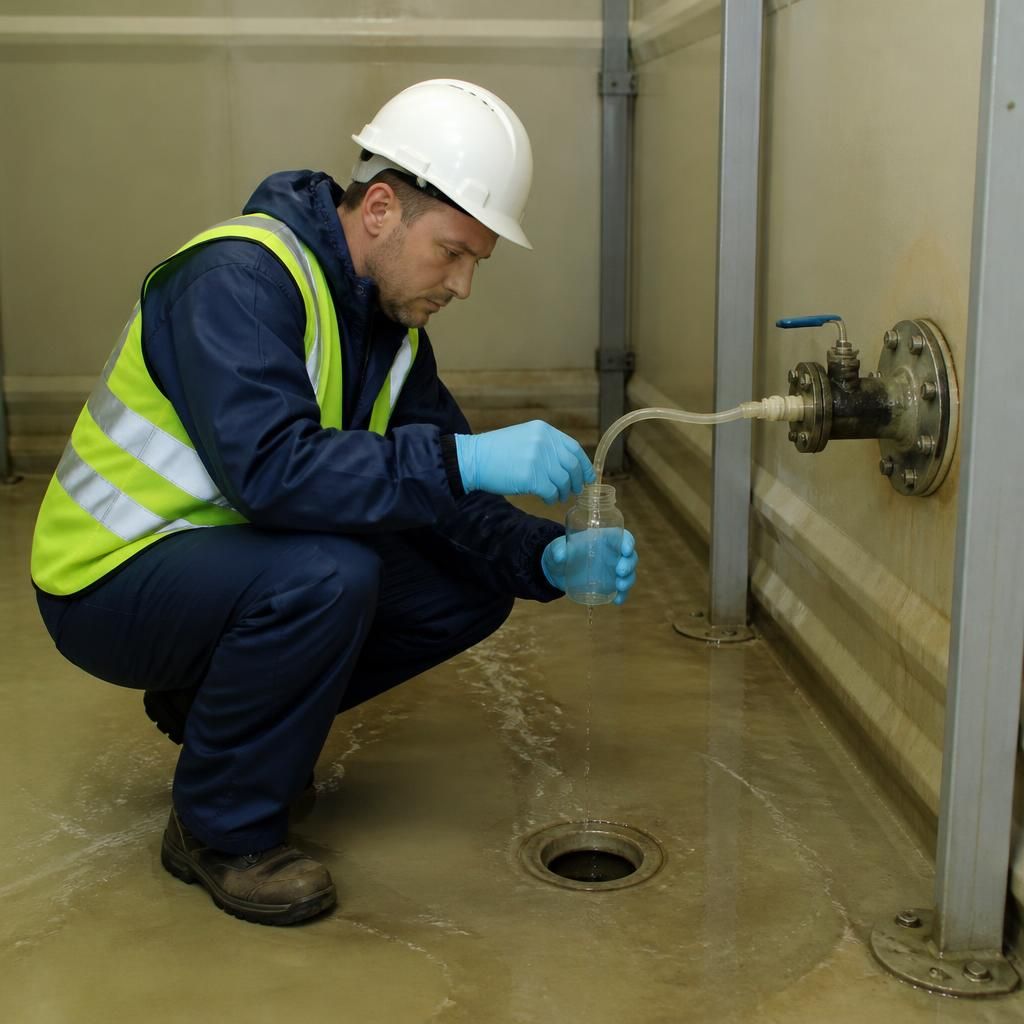
GRP water storage tank disinfection verification is a point-in-time confirmation that the tank is suitable to return to service; it is not a substitute for ongoing water hygiene management. Acceptable post-disinfection evidence shows that the completed work has met its defined requirements, but it does not remove the need for routine inspection, monitoring and review once the tank is operating again.
Before recommissioning, the verification record should therefore identify any conditions that must continue after the tank is refilled, such as checks on access protection, visible cleanliness, water quality or vulnerable connected outlets. These requirements should be incorporated into the site’s water safety arrangements, with responsibility assigned for completing and recording them. This creates a clear distinction between confirming the success of the disinfection and maintaining control of the tank thereafter.
Discuss GRP water storage tank disinfection verification
If you need to establish whether a GRP water storage tank has sufficient evidence for recommissioning, discuss the inspection, sampling and documentation requirements with Blue Fish Water Management Ltd.