
Who is responsible for arranging cold water storage tank cleaning?
The person or organisation with control of the premises and its water systems is generally responsible for arranging cold water storage tank cleaning. This may be the employer, landlord, building owner or facilities manager, who must appoint a competent contractor and retain oversight of the resulting water hygiene measures.
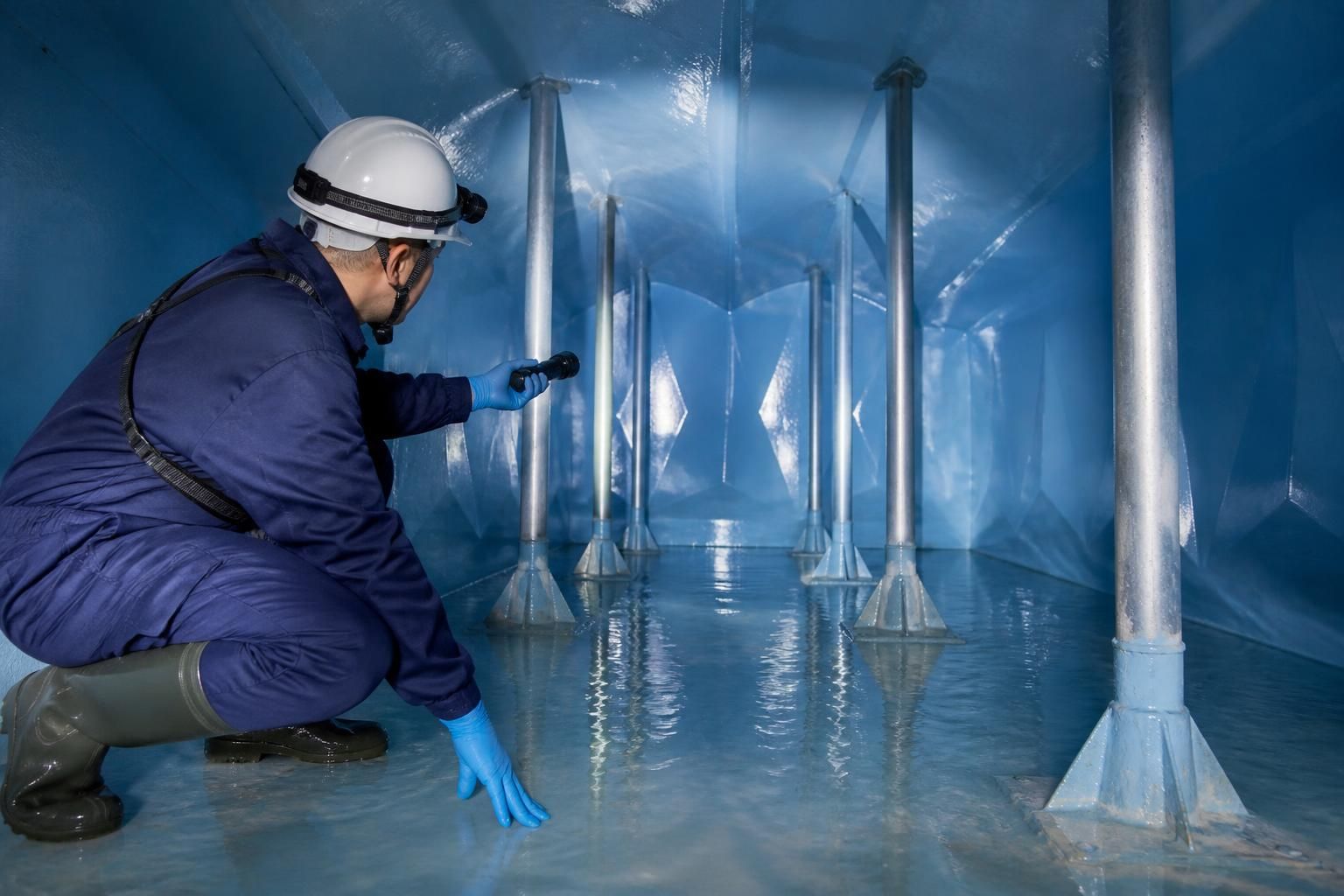
Responsibility for arranging cold water storage tank cleaning rests with the duty holder who controls the premises and the associated water system. That duty holder must ensure that the tank is assessed, maintained and cleaned where necessary, using suitably competent people and keeping enough evidence to demonstrate that the work has been properly managed.
Who may be the duty holder?
The responsible organisation depends on how the building and its water services are occupied and managed. It may include:
- an employer controlling a workplace;
- a building owner or landlord;
- a facilities management company acting under an agreed management arrangement;
- a managing agent or housing provider; or
- an organisation responsible for a site with several occupiers.
In a multi-tenant building, contracts should make responsibilities clear. However, assigning maintenance to a managing agent or contractor does not remove the need for the party in control to check that suitable arrangements are in place. Where more than one organisation has control or influence over the water system, they should co-operate and define who will arrange inspections, cleaning, testing and remedial work.
What must the responsible person arrange?
Cleaning should form part of a wider water hygiene management system rather than being treated as an isolated task. The duty holder should arrange for the water system to be assessed and for the relevant control measures to be set out in the site’s written scheme or equivalent management documentation. Depending on the system and the findings of the assessment, this may include:
- inspection of the cold water storage tank, lid, insulation, fittings and surrounding area;
- cleaning and disinfection where contamination, sediment, scale, biofilm or other defects make it necessary;
- checks that the tank is properly covered and protected from light, debris, insects and unauthorised access;
- inspection of inlet, outlet, warning and overflow arrangements;
- water sampling where it is appropriate to verify control measures or investigate a concern;
- rectification of defects that could allow contamination or stagnation; and
- recording the work, findings, test results and any further actions required.
There is no universally suitable cleaning interval for every cold water storage tank. The frequency should be determined by the risk assessment, the tank’s condition, the type of premises, water usage, vulnerability of occupants and the history of the system. A calendar reminder can help prevent an inspection being overlooked, but it should not replace a competent assessment of whether cleaning is required.
Who should carry out the work?
The duty holder remains responsible for selecting a contractor with appropriate knowledge, training, practical experience and equipment. The contractor should understand cold water storage systems, safe isolation, cleaning and disinfection procedures, contamination controls and the need to protect the building’s water supply during the work. For higher-risk premises or complex systems, the required competence may include the ability to interpret risk assessments, investigate test results and recommend proportionate remedial measures.
Before appointing a contractor, the duty holder should establish what the quotation or specification includes. Important points include:
- the tank or tanks included in the scope;
- the preparation, isolation and reinstatement arrangements;
- the cleaning and disinfection method;
- any water sampling or post-cleaning verification;
- how defects and access limitations will be reported;
- the information the contractor will provide on completion; and
- who is responsible for any remedial work identified.
A contractor’s appointment should not be based on price alone. The duty holder should check evidence of competence, relevant insurance, safe systems of work and the quality of previous service documentation. Where testing is needed, results should come from a suitably competent laboratory, with the findings considered alongside the physical condition and operation of the system.
What records should be retained?
Records help demonstrate that the duty holder has exercised proper control and allow recurring problems to be identified. The file should normally include the current risk assessment, written scheme, tank inspection findings, cleaning and disinfection certificates, laboratory reports where samples were taken, photographs where useful, details of defects and evidence that follow-up actions were completed. Records should identify the date of the work, the tank or system concerned, the person or company carrying it out and any restrictions or recommendations arising from the visit.
If a tank is found to be heavily contaminated, damaged, poorly covered or otherwise unsuitable, arranging cleaning alone may not resolve the risk. The responsible person may need to arrange repairs, replacement components, improved insulation, better access or changes to system operation. If the water supply is interrupted, the effects on building users should also be considered and managed through the site’s operational procedures.
Blue Fish Water Management Ltd can advise organisations on legionella risk assessments, water hygiene monitoring, UKAS-accredited water testing and remedial requirements associated with cold water storage systems. Its support is available nationally, helping duty holders understand what needs to be arranged and retain appropriate evidence of control.

Responsibility for arranging cold water storage tank cleaning should be reviewed whenever control of a building or its water system changes. A new lease, change of facilities management provider, refurbishment or alteration to the water services can affect who is expected to commission the work and receive the findings.
At each handover, the relevant organisations should confirm in writing who will:
- maintain the tank cleaning and inspection arrangements;
- provide access and coordinate any service interruption;
- receive the contractor’s report and test results; and
- authorise action where defects or contamination are identified.
This avoids a gap in responsibility between an owner, occupier and managing agent. The arrangement should be reflected in the building’s water hygiene records so that the current duty holder can be identified without relying on informal assumptions.
Review your cold water storage tank cleaning responsibilities
If responsibility for your cold water storage tank cleaning arrangements is unclear, speak to Blue Fish Water Management Ltd for practical advice on defining the duty holder’s requirements and next steps.