
What happens if a cold water tank is not cleaned?
If a cold water tank is not cleaned, sediment, scale and biofilm can accumulate, creating conditions that support bacterial growth, including Legionella. This can compromise water quality, increase health risks and make it more difficult to demonstrate effective water hygiene control and compliance.
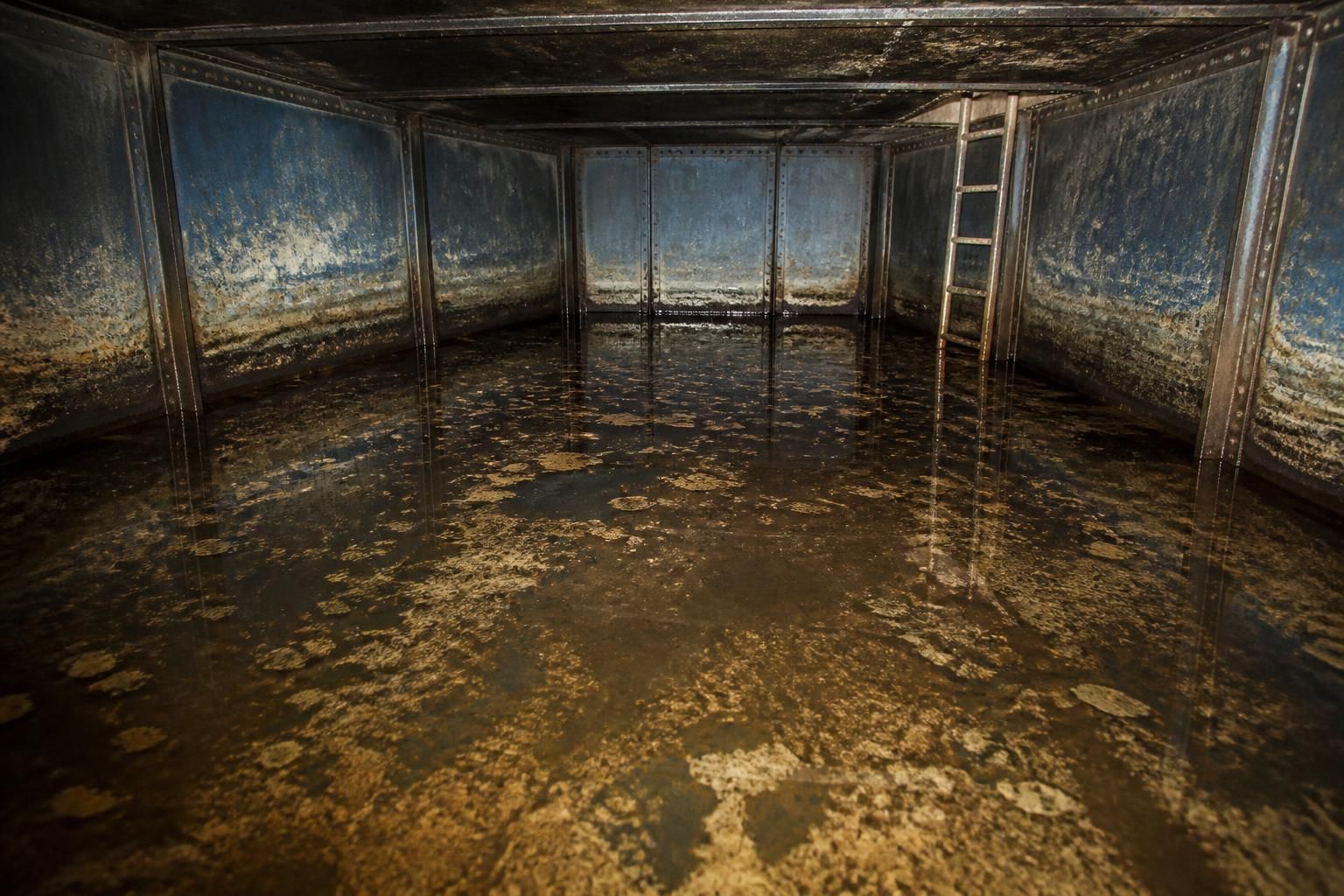
If a cold water tank is not cleaned when required, it can become an uncontrolled source of contamination within the water system. The consequences may include unsafe water, deterioration in system performance, increased exposure to Legionella and other organisms, and difficulty proving that the premises is being managed in accordance with its water safety responsibilities.
Health risks
Water from a neglected tank may be unsuitable for use, particularly if contamination is allowed to spread to outlets, showers or other parts of the distribution system. Legionella is a particular concern because contaminated water can produce fine droplets or aerosols when used in showers, spray taps and similar equipment. People can then inhale the contaminated droplets.
The risk is more significant where people who may be vulnerable to Legionnaires’ disease use the system. This can include older people, smokers, people with weakened immune systems and those with certain underlying health conditions. The presence of contamination does not mean that illness will definitely occur, but it means the system requires proper assessment and control rather than being left unattended.
Effects on water quality and system operation
As deposits accumulate, they can affect the appearance, odour or taste of water and may indicate wider hygiene problems. Material from the tank can be carried into pipework, valves, strainers and outlets. This may contribute to blockages, reduced flow, staining and increased maintenance requirements.
Contamination can also be more difficult to isolate once it has moved beyond the tank. Cleaning the vessel alone may not resolve the problem if deposits or microorganisms have entered connected pipework. The extent of any corrective work should therefore be determined by inspection and, where appropriate, water sampling.
Compliance and management consequences
For workplaces and other non-domestic premises, the dutyholder must be able to show that foreseeable risks from the water system have been assessed and controlled. An unclean tank may raise questions about whether the written control scheme, inspection arrangements and cleaning recommendations are being followed.
Useful records normally include:
- the tank’s location, purpose and connection to the wider water system;
- inspection findings, including the condition of the tank, cover, inlet and fittings;
- cleaning, disinfection and remedial work records;
- water temperature and system monitoring results where relevant;
- laboratory reports for samples that have been taken; and
- actions arising from risk assessments, audits or abnormal results.
Missing, incomplete or inconsistent records do not by themselves prove that water is unsafe, but they make effective control harder to demonstrate. They can also delay decisions when a concern is identified, because the responsible person may not have a reliable history of the tank or connected system.
What should happen if a tank has been neglected?
The tank should be assessed by a competent person rather than simply put back into service without investigation. The assessment may consider the tank’s cleanliness, access, cover, temperature conditions, evidence of contamination, condition of fittings and the potential for contamination to have reached downstream outlets.
Depending on the findings, corrective action may include cleaning and disinfection, removal of deposits, repairs or replacement of defective components, flushing of connected pipework and follow-up sampling. Any action should be recorded and linked to the site’s water safety management arrangements. If there is a suspected health risk, the responsible person should follow the organisation’s incident procedures and obtain appropriate specialist advice.
Blue Fish Water Management can support businesses with cold water tank inspections, cleaning, water hygiene monitoring, Legionella risk assessments and UKAS-accredited water testing. The appropriate combination depends on the condition and use of the system, the people exposed and the findings of the assessment.
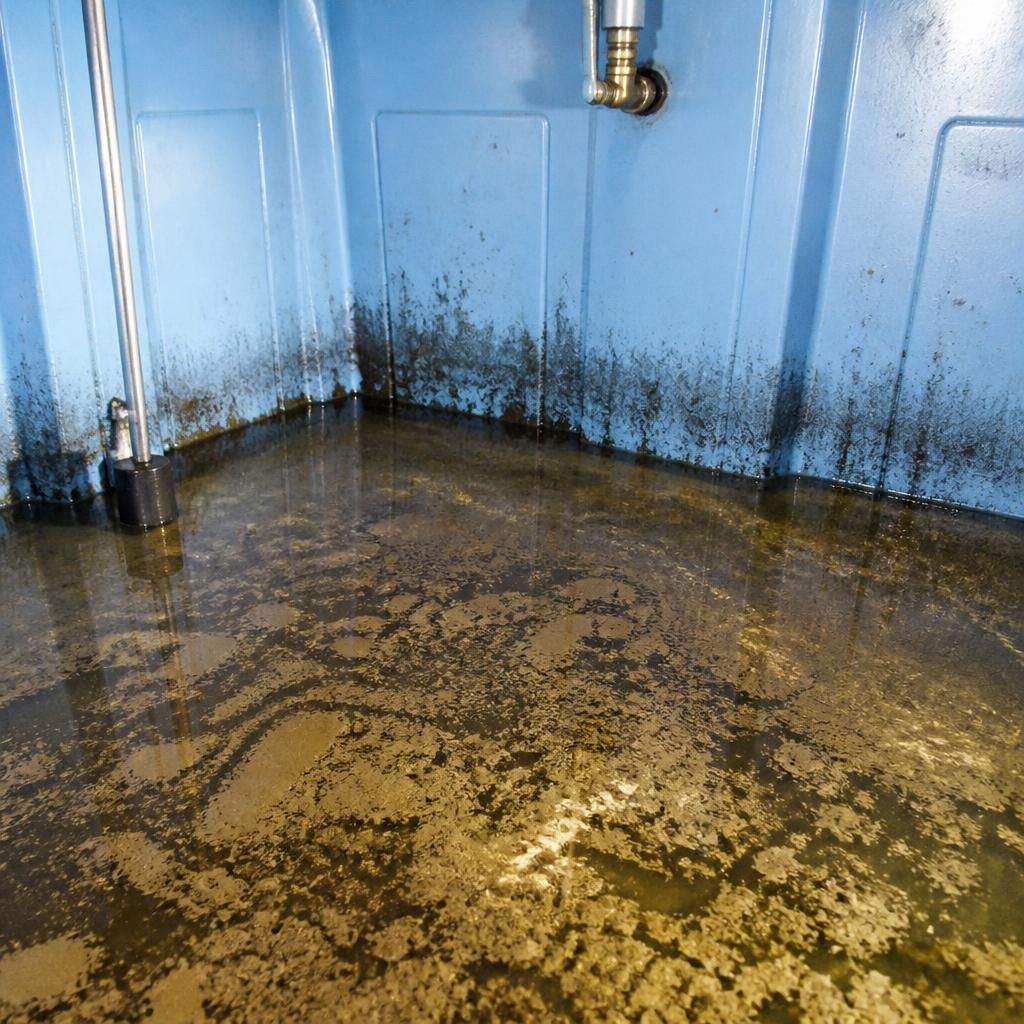
A cold water tank that is not cleaned may also deteriorate physically, particularly where deposits conceal damage or where the cover and fittings are no longer providing effective protection. Cracks, corrosion, poor seals or a displaced cover can allow further ingress of contaminants and compromise the tank’s ability to store water hygienically. These defects should be identified during inspection and repaired or replaced as part of the corrective action, rather than relying on cleaning alone.
Arrange a cold water tank assessment
If you are unsure whether your cold water tank requires corrective work, arrange an assessment with Blue Fish Water Management. The findings can help establish the appropriate next steps for the tank and connected water system.