
What signs indicate that a cold water storage tank needs cleaning?
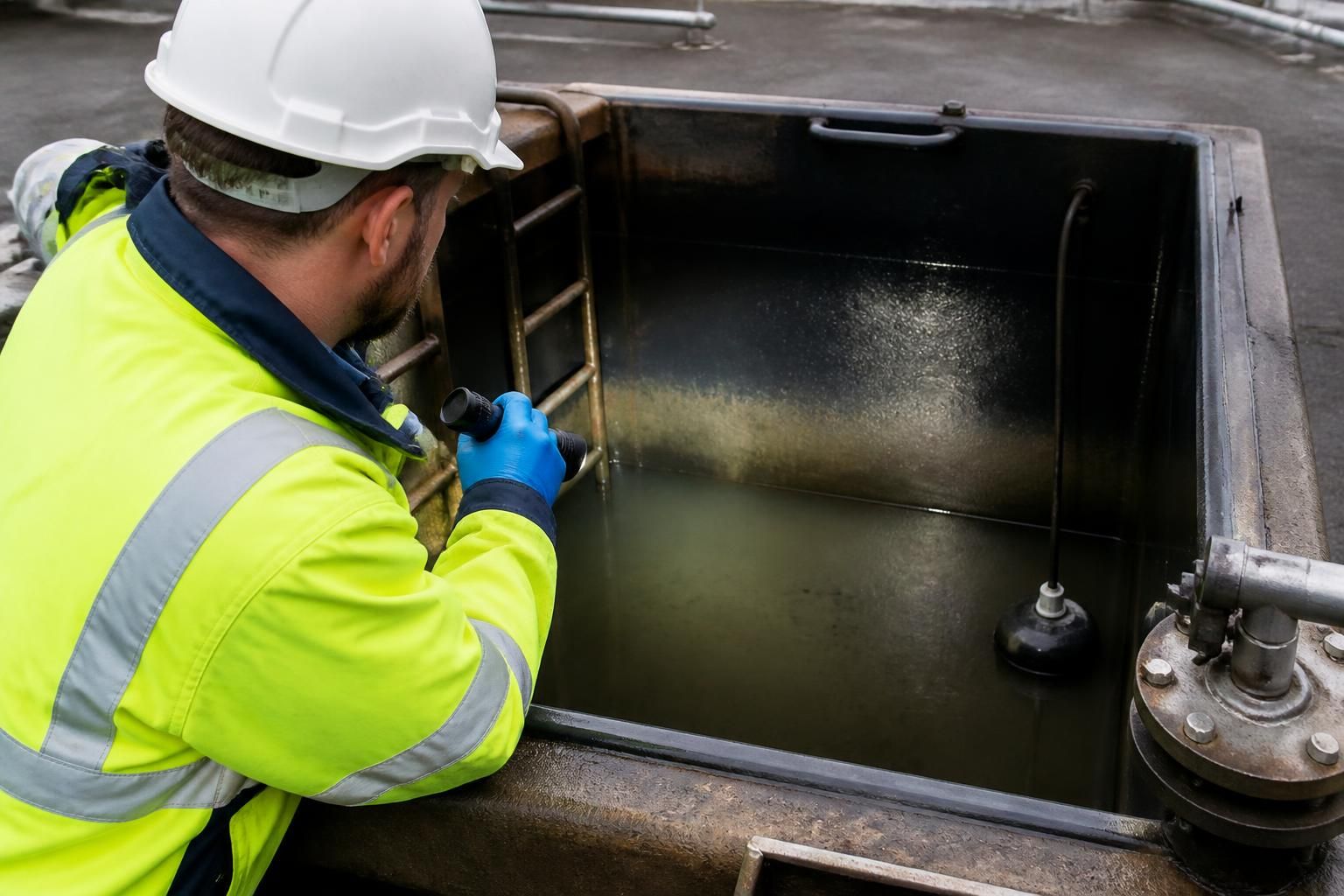
A cold water storage tank needs cleaning when inspection, monitoring or changes in system use indicate that water quality or tank condition may no longer be adequately controlled. Some of the most important indicators are not visible at a tap: they include adverse inspection findings, poor temperature control, reduced water turnover, damaged tank components and repeated maintenance or sampling concerns.
Inspection findings are a key indicator. A competent inspection should assess the tank interior, fittings, cover, insulation, access arrangements, inlet and outlet configuration, overflow and warning pipe. Cleaning should be considered where an inspection finds deposits on internal surfaces, deterioration of protective coatings, damaged or poorly fitting covers, or conditions that could allow external material or vermin to enter. A dirty tank may be accompanied by defects that need repairing at the same time; cleaning alone will not control the risk if contamination can recur.
Changes in water temperature can also signal a problem. Cold water storage tanks should be kept sufficiently cold and protected from heat sources. A tank that is consistently warmer than expected, or where temperatures are difficult to control, may provide more favourable conditions for microbial growth. Temperature results should be reviewed alongside the tank's location, insulation, pipework and usage. Cleaning may form part of the corrective action, but the underlying cause of heat gain must also be addressed.
Low or irregular water turnover increases the need for review. Tanks serving little-used areas, partially occupied premises, altered buildings or systems with reduced demand may hold water for longer than intended. Stagnation can allow deposits and microbial contamination to develop, particularly where the tank is oversized or sections of the system are rarely used. A change in occupancy, process, building layout or water demand should therefore trigger a review of whether the tank remains suitably configured and maintained.
Other practical warning signs include:
- Repeated adverse or deteriorating water hygiene monitoring results, even where the cause has not yet been confirmed.
- Evidence that the tank has been left outside its planned inspection or maintenance schedule.
- Overflow, warning pipe or screened vent arrangements that are blocked, damaged or unsuitable.
- A cover that is missing, cracked, warped or unable to form a secure seal.
- Insulation that is damaged or incomplete, allowing unwanted heat transfer or condensation around the tank.
- Recent plumbing alterations, remedial work or periods of system shutdown that may have introduced debris or disturbed settled material.
- Recurring complaints or operational observations that remain unexplained after basic checks.
A lack of obvious warning signs does not prove that a tank is clean. Sediment can settle beneath the normal water line, and contamination may not change the appearance, taste or smell of water. For this reason, visual checks should form part of a wider water hygiene programme rather than being used as the only basis for deciding whether cleaning is required.
The decision should be based on the tank's condition, system design, usage, monitoring history and the findings of the responsible person's risk assessment. Where evidence points to contamination, the tank should be assessed promptly and appropriate control measures considered. Depending on the findings, the work may involve draining and cleaning, disinfection, removal of accumulated material, repairs to tank components, improvements to insulation or access control, and follow-up verification.
Cleaning should also be distinguished from replacement. A tank may be suitable for cleaning where deposits are removable and the structure and protective surfaces remain sound. Replacement or substantial remedial work may be more appropriate where the tank is damaged, cannot be securely covered, has persistent defects or cannot be maintained to a suitable standard. Records should document the reason for the work, the condition found, the action taken and any checks completed afterwards. This provides evidence for ongoing water safety management and helps identify whether the same problem is returning.
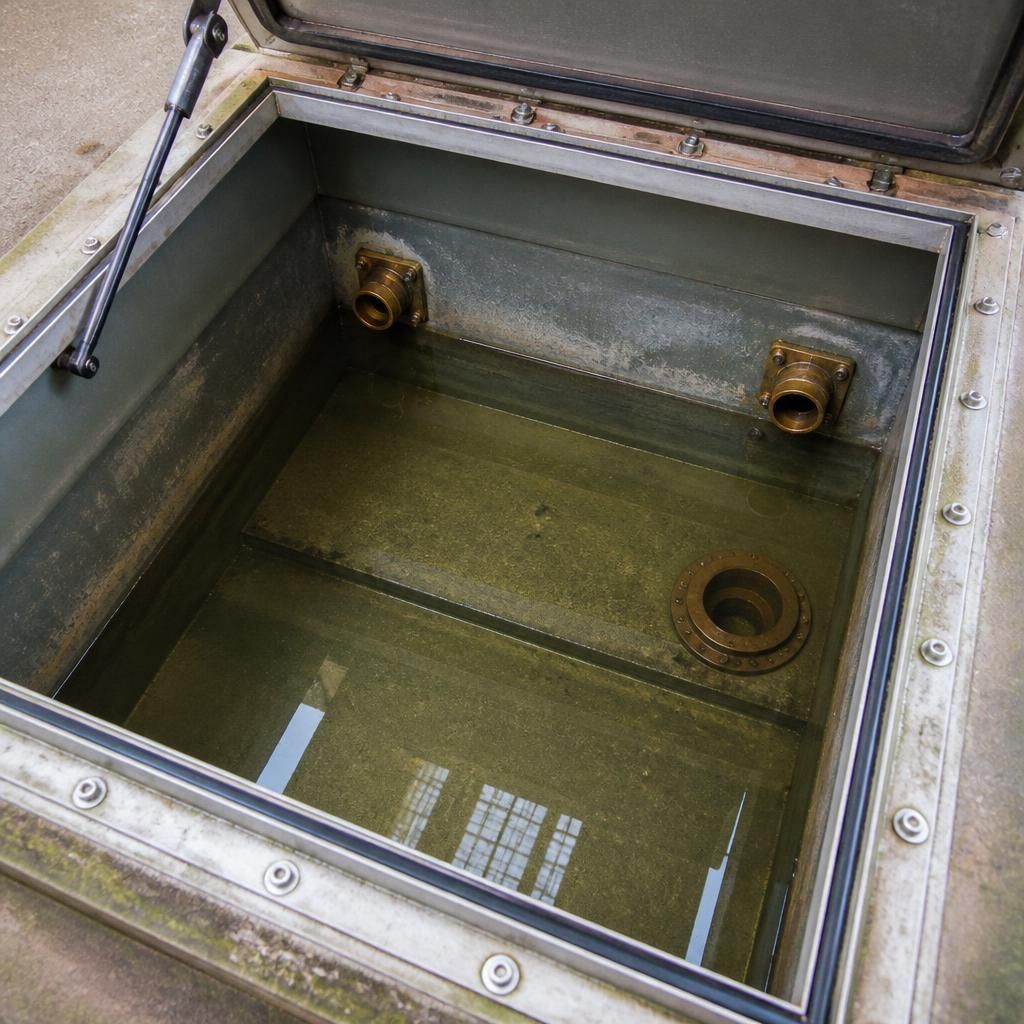
Water-quality changes across several outlets can indicate that a cold water storage tank needs cleaning, particularly where the change is persistent rather than limited to one fitting. Discolouration, particles or an unusual taste affecting only one tap may instead point to a local tap, valve or branch-pipe issue. Comparing outlets, checking whether the problem is present in both hot and cold supplies, and reviewing recent maintenance can help distinguish a tank-related problem from a local defect. Where multiple outlets are affected, the tank and connected distribution system should be assessed rather than treating the individual tap alone.
Discuss your cold water storage tank cleaning needs
If inspection records, maintenance changes or ongoing concerns suggest that your cold water storage tank may need attention, discuss the findings with Blue Fish Water Management Ltd. Their water hygiene specialists can help determine whether cleaning, further assessment or remedial work is appropriate.