
Which water systems can be treated by water chlorination?
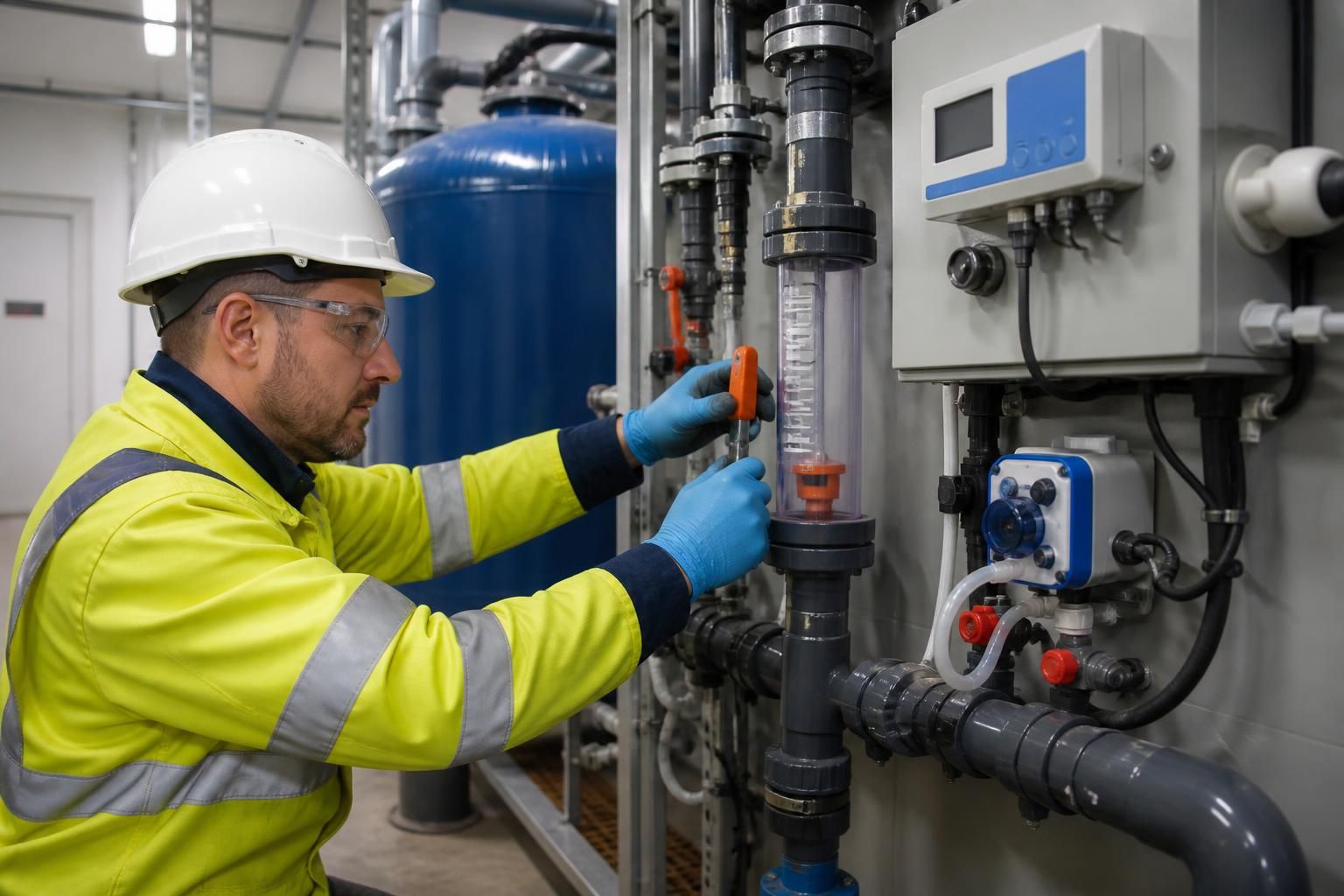
Water chlorination is suitable for systems in which a controlled chlorine solution can circulate through the relevant pipework, vessels and components, remain in contact for the required period, and then be safely flushed or dechlorinated. It is used beyond standard domestic water services, but the correct treatment depends on the system’s purpose, construction, water quality and contamination risk.
Industrial and process water systems
Many industrial systems can be chlorinated where water is used in production, washing, rinsing or general site operations. Examples may include process-water pipework, production-area supplies, washdown systems and water used in food or beverage-related operations. Chlorination can help control microbial contamination, but it must be planned around the process requirements. Chlorine may affect products, residues, membranes, seals, coatings or other materials, so the system normally needs to be isolated from production and thoroughly flushed before being returned to use.
Cooling and evaporative systems
Cooling towers, evaporative condensers and associated water circuits may require chemical disinfection where there is a risk of microbial growth and aerosol generation. Chlorination can form part of a wider control programme, particularly during commissioning, after maintenance, following contamination, or when monitoring identifies an increased risk. These systems often contain high organic loads, scale or biofilm, which can consume chlorine and prevent adequate contact with internal surfaces. Dosing, circulation, cleaning and verification therefore need to be based on the condition and design of the individual system.
Water features and recreational installations
Decorative water features, fountains, splash installations and other recreational water systems may be treatable with chlorine when the treatment can be controlled and the water will not expose users to unsafe concentrations. Features that create spray or aerosols need particular care because they can spread contaminated droplets. Treatment may involve cleaning deposits and organic matter as well as applying disinfectant; adding chlorine to a visibly dirty system is unlikely to provide reliable disinfection on its own.
Temporary, modified and newly installed systems
Temporary supplies, newly commissioned installations and systems that have been altered or extended can often be treated before use. Chlorination may also be considered after intrusive maintenance, a loss of system integrity, flooding, stagnation or suspected contamination. New pipework and components can contain construction debris, residues or manufacturing contaminants, so cleaning and flushing are important parts of the commissioning process. The treatment must include all branches, dead legs, tanks, valves and outlets that are intended to remain in service.
Systems that need a different approach
Not every water-containing installation is appropriate for routine water chlorination. Closed heating and cooling circuits are commonly protected with specialist treatment chemicals and corrosion control, so potable-water chlorination may damage materials or disturb the chemical balance. Rainwater harvesting and greywater systems can also require a bespoke method because their organic content, filtration arrangements and intended use differ from those of a conventional potable supply.
Wastewater, sewage and heavily contaminated process effluent should not be treated as ordinary water systems. Chlorine demand may be high, harmful by-products may form, and discharge restrictions may apply. Fire sprinkler systems, specialist laboratory systems and systems containing sensitive membranes or chemical dosing equipment also require a design-specific assessment before any chlorination is undertaken.
What determines whether chlorination is appropriate?
- the intended use of the water and whether people, products or processes could be exposed;
- the pipework materials, tank construction, seals, coatings, filters and other components;
- the system volume, configuration, access points and ability to achieve circulation;
- water temperature, pH, turbidity, organic contamination and chlorine demand;
- the required concentration and contact period for the identified risk;
- whether the system can be isolated, drained, flushed and safely returned to service; and
- how residual chlorine and microbiological condition will be checked after treatment.
A suitable treatment plan should identify the parts of the system included, the parts excluded, the disinfectant method, safety controls, flushing arrangements and acceptance criteria. Chlorination is not simply a matter of introducing chlorine at one point: insufficient circulation can leave untreated branches, while excessive dosing can damage equipment or create an unsafe water supply.
Blue Fish Water Management can assess the system type and contamination risk before recommending an appropriate water chlorination or alternative disinfection method. Its national service supports commercial and industrial clients with planned treatment, testing and practical compliance advice tailored to the installation.
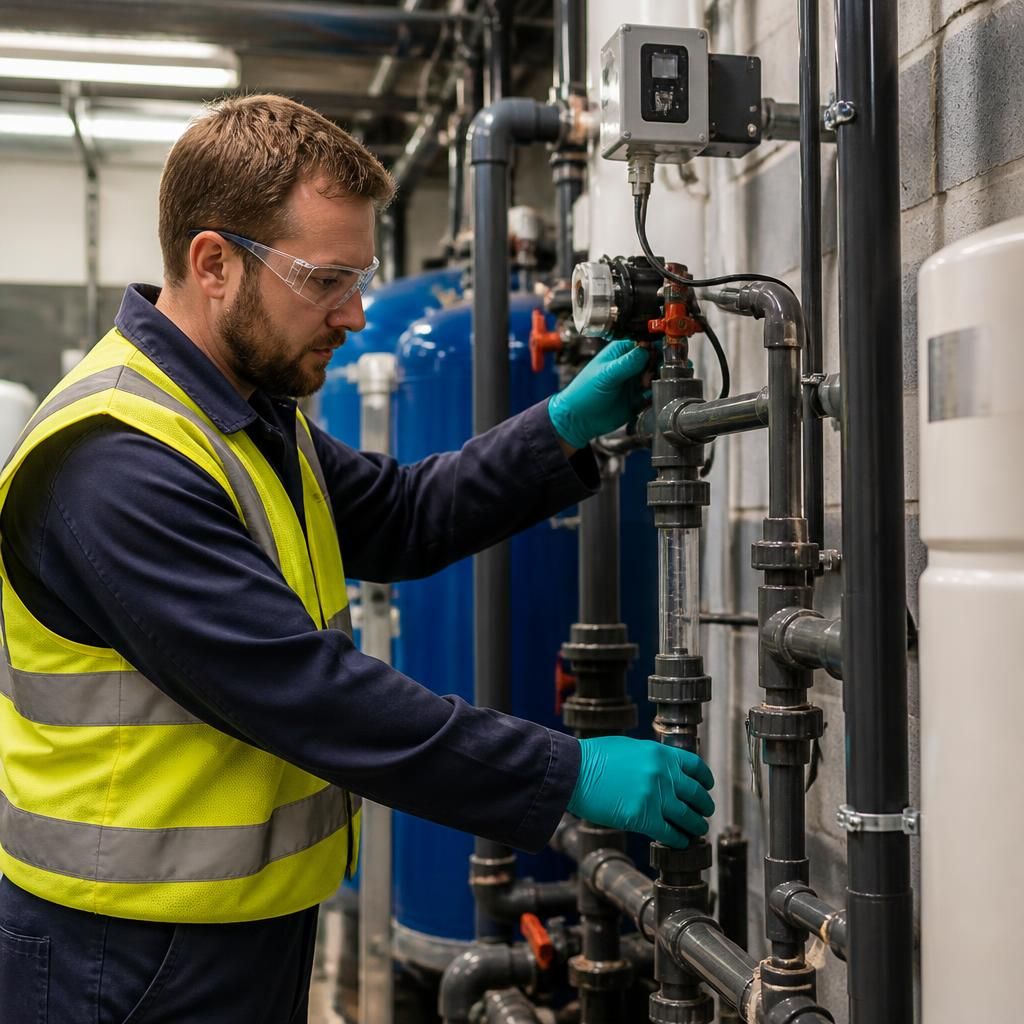
Water chlorination should be planned around the system boundary rather than applied to every connected component automatically. Filters, membranes, specialist dosing equipment, seals and coatings may be sensitive to chlorine or may reduce the disinfectant available in the pipework. These items should be identified before treatment and, where appropriate, isolated, removed or protected in accordance with the equipment requirements.
The treatment plan should also confirm which tanks, outlets and branches are included and how each will be brought back into service. This prevents a chlorinated section being connected to untreated water or sensitive equipment before flushing and checks are complete. A system-specific assessment is therefore essential when the installation combines potable services with process equipment or other specialist components.
Discuss your water system chlorination requirements
If you are unsure whether your installation is suitable for water chlorination, discuss its design, use and treatment requirements with Blue Fish Water Management. Their specialists can help identify an appropriate next step for your commercial or industrial water system.