
When is water chlorination required for a commercial water system?
Water chlorination is generally required for a commercial water system when it is newly installed, altered, contaminated, or suspected of harbouring harmful bacteria such as Legionella. It may also be required following remedial work or where a risk assessment identifies disinfection as necessary to control a specific water hygiene risk.
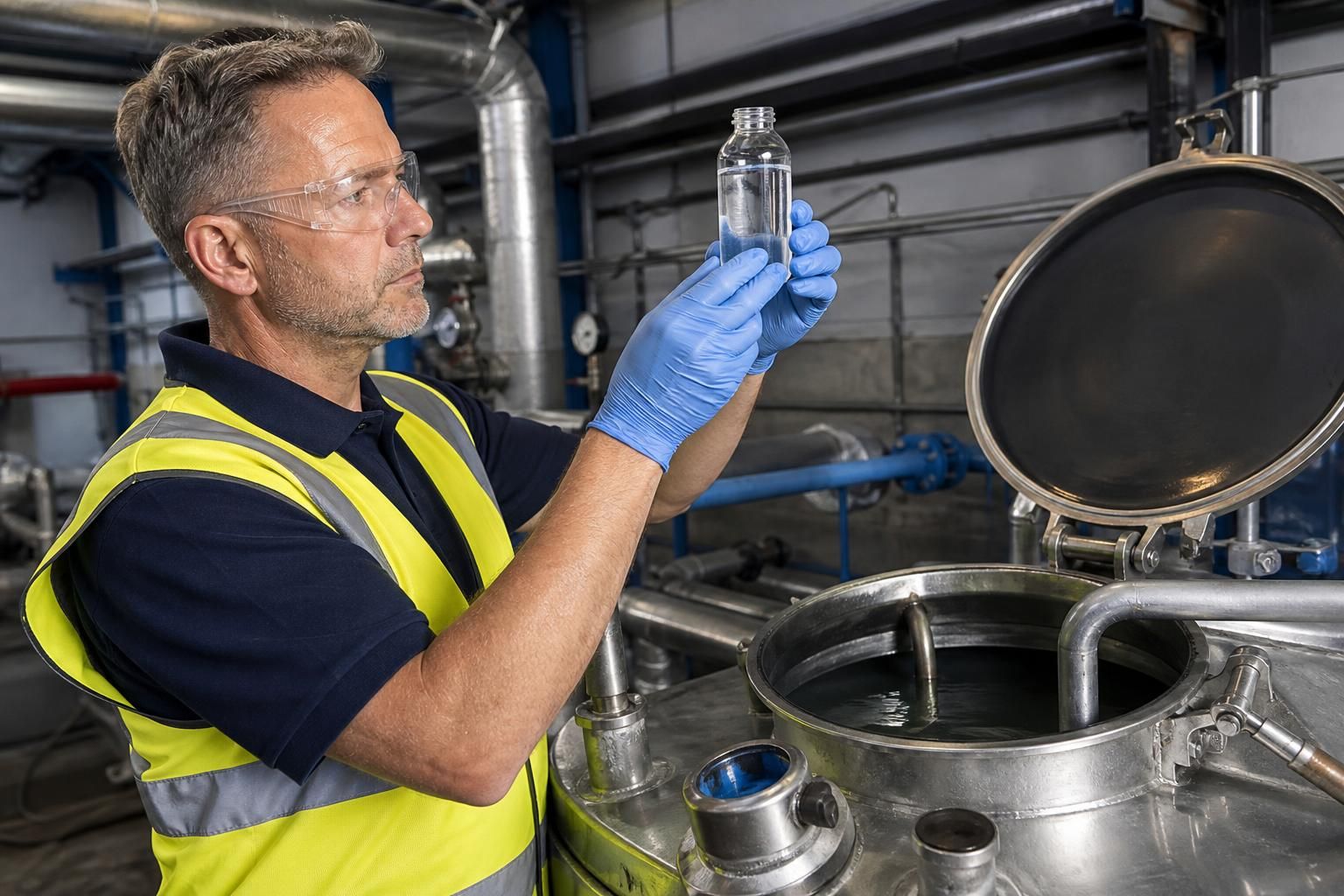
Commercial water chlorination is required when a water system needs controlled disinfection to make it safe to commission, return to service, or continue operating after a recognised contamination risk. In the UK, there is not a single rule requiring every commercial system to be chlorinated at set intervals. The need for treatment should be established through a suitable risk assessment, system design and operating history, with the duty holder able to demonstrate that significant water hygiene risks are being controlled.
The decision normally depends on the condition and use of the system, the type of work carried out, the quality of available water and the potential consequences of contamination. Chlorination is particularly relevant where water has been able to stagnate, where parts of a system have been exposed during construction or maintenance, or where evidence indicates that normal control measures have not been effective.
- Commissioning: A newly constructed or substantially modified installation may require cleaning, flushing and disinfection before it is put into normal use. This helps remove construction debris and reduce contamination introduced during installation.
- Recommissioning: A system that has been isolated, drained or unused may need assessment before being brought back into service. The appropriate action depends on how long it has been inactive, how it was protected and whether water quality has deteriorated.
- Contamination: A confirmed or suspected contamination event may require targeted disinfection. Examples include ingress of dirty water, damage to storage arrangements, loss of control over a tank or findings from microbiological testing.
- Legionella control: Chlorination can form part of a remedial response where investigation identifies a legionella risk, but it is not a substitute for managing temperatures, flow, storage, outlets, dead legs and other design or operational factors.
- Remedial work: Disinfection may be needed after corrective work has opened, replaced or substantially disturbed contaminated sections of pipework, tanks or associated equipment.
For a commercial premises, the responsible person should not select chlorination simply because it is a commonly used treatment. The risk assessment should identify the system boundaries, water uses, vulnerable occupants, storage arrangements, temperature controls, points of low use and any activities that could introduce contamination. It should then set out whether disinfection is necessary, which method is suitable and what precautions are required.
It is also important to distinguish potable water systems from closed or process systems. Chlorination intended for a wholesome water installation must be planned so that the treated water is not used for drinking, washing or manufacturing until the treatment has been completed and the system has been flushed and shown to be suitable. Closed heating, cooling or process circuits may require different chemicals, concentrations, contact conditions and acceptance criteria. A treatment that is appropriate for one system may damage materials or create an unsuitable result in another.
Chlorination should be carried out using a controlled method rather than by simply adding chlorine to a tank or pipework. The work may involve isolating the installation, protecting users, dosing the system, allowing sufficient contact, checking that the disinfectant has reached relevant parts of the network, flushing to an acceptable condition and disposing of chlorinated water responsibly. Chemical handling, access, ventilation and the protection of equipment and occupants must be considered before work begins.
The applicable requirements depend partly on the location and type of premises. Commercial duty holders should consider the relevant water fitting requirements, health and safety duties, chemical controls and recognised water hygiene guidance for their jurisdiction. The principles in the Health and Safety Executive’s Approved Code of Practice L8 and HSG274 are commonly used when managing legionella risks in non-domestic water systems, although the precise compliance framework can vary across the UK and according to the installation.
Evidence is a key part of deciding whether chlorination was required and whether it was effective. Records should normally link the treatment to the risk assessment or incident that prompted it and should identify the system treated, the method used, the person responsible, the areas reached, flushing arrangements and any test results. Where the system is intended to supply wholesome water, appropriate microbiological or chemical checks may be needed before it is released for use. A water treatment record without a clear connection to the system’s risk assessment may not demonstrate adequate control.
Routine chlorination is therefore not automatically the correct answer for every commercial building. In some systems, ongoing control is better achieved through good design, temperature management, regular use, cleaning, inspection and planned monitoring. Chlorination should be specified when the risk assessment, commissioning requirements, investigation findings or remedial plan show that disinfection is necessary, and it should be followed by measures that prevent the original problem from recurring.
A competent water hygiene specialist can assess the installation, define the treatment scope and advise on suitable testing and records. Blue Fish Water Management provides legionella control, water hygiene assessment, water testing, compliance advice and remedial support for commercial clients, helping the responsible person connect any chlorination work with the wider management of water safety.
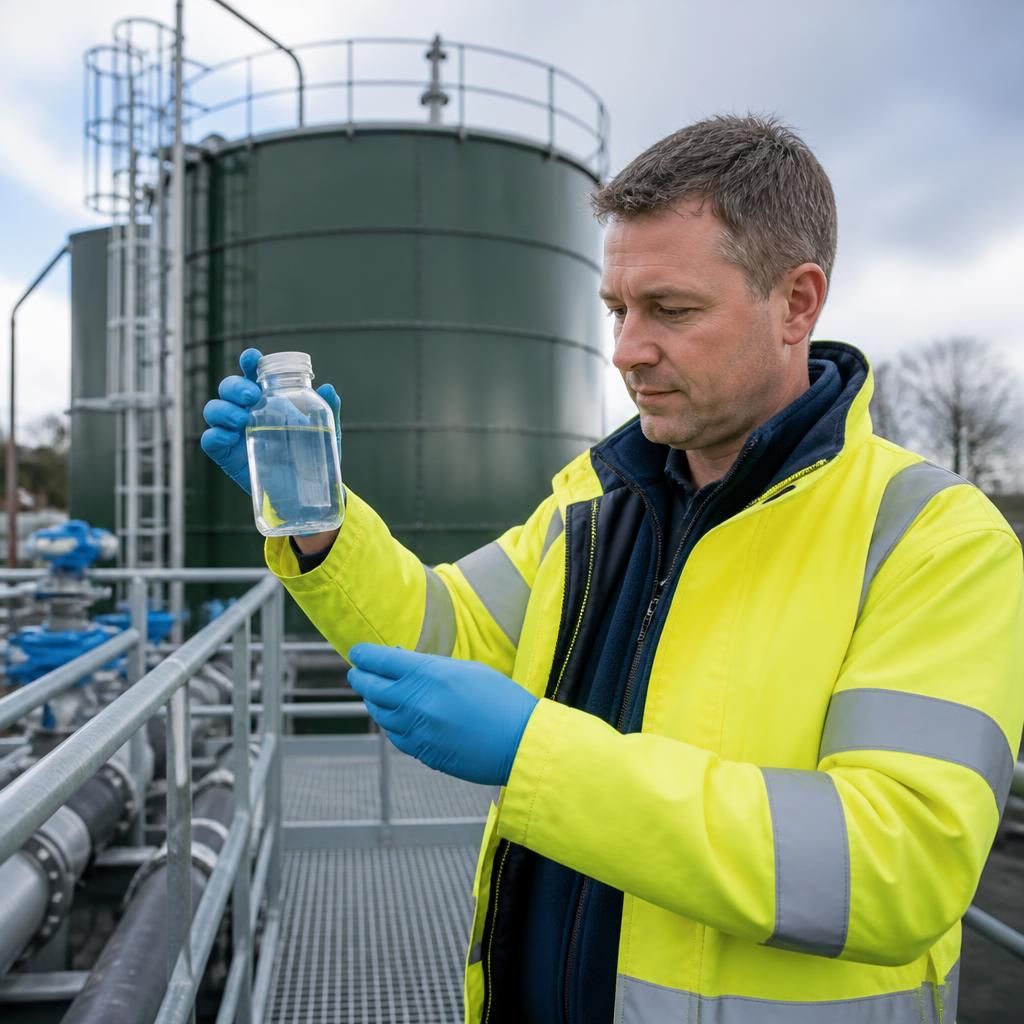
A positive water sample does not automatically mean that the entire commercial water system must be chlorinated. The result should be assessed alongside the sampling point, the organisms detected, the condition of the installation and the likelihood that contamination has spread. A localised issue may be addressed through cleaning, component replacement or other targeted remedial work, while broader contamination or uncertainty about the affected network may justify system-wide disinfection.
Chlorination is most appropriate when it is a proportionate, evidence-based control measure rather than a routine reaction to an isolated result. The decision should be documented by the responsible person, including the reason for treatment, the parts of the system included and the checks needed before the water is returned to its intended use.
Discuss whether your commercial water system requires chlorination
Ask Blue Fish Water Management to review your commercial water system and risk assessment, then advise whether chlorination is justified and what evidence is needed to support the decision.