
When is chlorine disinfection appropriate for a water system?
Chlorine disinfection is appropriate when a water system requires controlled treatment to reduce harmful bacteria, including Legionella, such as after contamination, during an outbreak response, following significant remedial work, or before commissioning a new or modified system. Its use should be based on a documented assessment of the system, the cause of the risk and the suitability of chlorination for the materials and equipment involved.
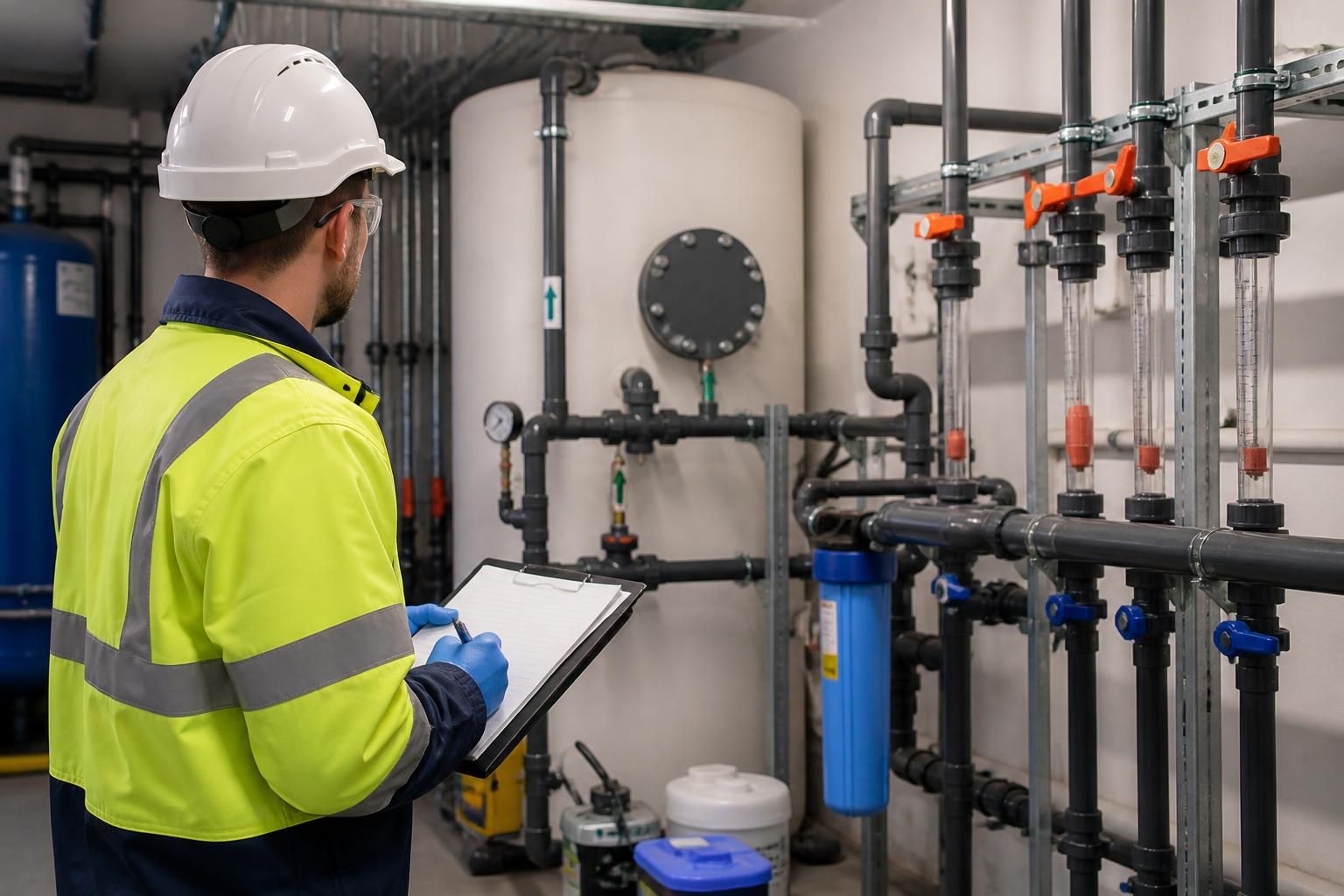
Chlorine disinfection is appropriate where a documented assessment identifies a microbiological risk that can be reduced safely and effectively through controlled chlorination. It is not a routine substitute for sound water hygiene management. The decision should consider the nature of the system, the source and extent of contamination, the condition of the installation, the materials present, and whether the treatment can be carried out without creating unacceptable risks to people, equipment or water quality.
A suitable application may involve a hot or cold water system in which elevated bacterial counts, recurring contamination or evidence of inadequate control indicates that normal cleaning, temperature management and maintenance are not sufficient on their own. Chlorination can provide a defined disinfection stage, but it does not remove the need to correct the underlying cause. Poor temperatures, low use, dead legs, scale, corrosion, sludge, defective valves or inadequate storage arrangements can allow recolonisation if they remain unaddressed.
The treatment method should be proportionate to the risk. A short, controlled disinfection may be suitable for a localised issue, whereas a larger or more complex installation may require isolation, staged treatment, flushing and verification. Continuous chlorine dosing is a different control approach from one-off shock disinfection and should not be selected simply because a system has been difficult to manage. Its suitability depends on the system design, water chemistry, operational requirements and the ability to monitor the dose consistently.
Before chlorination, the responsible person should establish whether the system can be isolated and whether every relevant outlet, branch and component can receive the required contact conditions. Storage tanks, calorifiers, secondary return circuits, shower hoses, flexible connections, strainers and other fittings can affect the effectiveness of treatment. Areas that cannot be reached or flushed properly may remain a source of contamination, even where accessible parts of the system have been treated.
Material compatibility is also central to the decision. Chlorine at treatment concentrations can affect some metals, elastomers, coatings, membranes and other components, particularly where contact is prolonged or the system is already degraded. The assessment should consider manufacturer information where available, the age and condition of the installation, the risk of corrosion, and whether sensitive equipment must be isolated or protected. If the potential for damage is unacceptable, another control or remedial approach may be more appropriate.
Chlorination should be planned so that people cannot be exposed to treated water. This normally requires controlled isolation, notices or other suitable communication, protection against unauthorised use, and a defined process for flushing the system before it is returned to service. The water should not be considered fit for normal use merely because the treatment period has ended. Residual disinfectant, water quality and any required microbiological testing should be checked against the treatment plan and the system's intended use.
There are circumstances in which chlorine disinfection is unlikely to be the right first response. These include systems with major defects that have not been repaired, installations where treatment cannot reach all relevant sections, equipment that cannot tolerate the proposed conditions, or situations where the suspected problem is not primarily microbiological. In such cases, repairing the system, removing redundant pipework, improving circulation, cleaning components or changing the control strategy may provide a more reliable solution than repeated chlorination.
The decision should be recorded within the water safety management arrangements, including:
- the reason chlorination has been considered and the evidence supporting it;
- the parts of the system included or excluded from treatment;
- the proposed disinfectant, target conditions, contact period and operating controls;
- any compatibility, access, environmental or health and safety constraints;
- the isolation, flushing and return-to-use arrangements; and
- the checks and test results required to confirm that the treatment was completed effectively.
For workplaces, residential buildings, healthcare premises and other non-domestic settings, the approach should align with the site's written scheme and relevant UK water hygiene guidance, including the principles set out in HSE's legionella guidance. A competent water hygiene professional can help determine whether chlorination is justified, define a safe method and identify the engineering changes needed to prevent the risk returning. Blue Fish Water Management supports this decision-making through legionella risk assessments, water testing, compliance reviews and practical remedial advice.
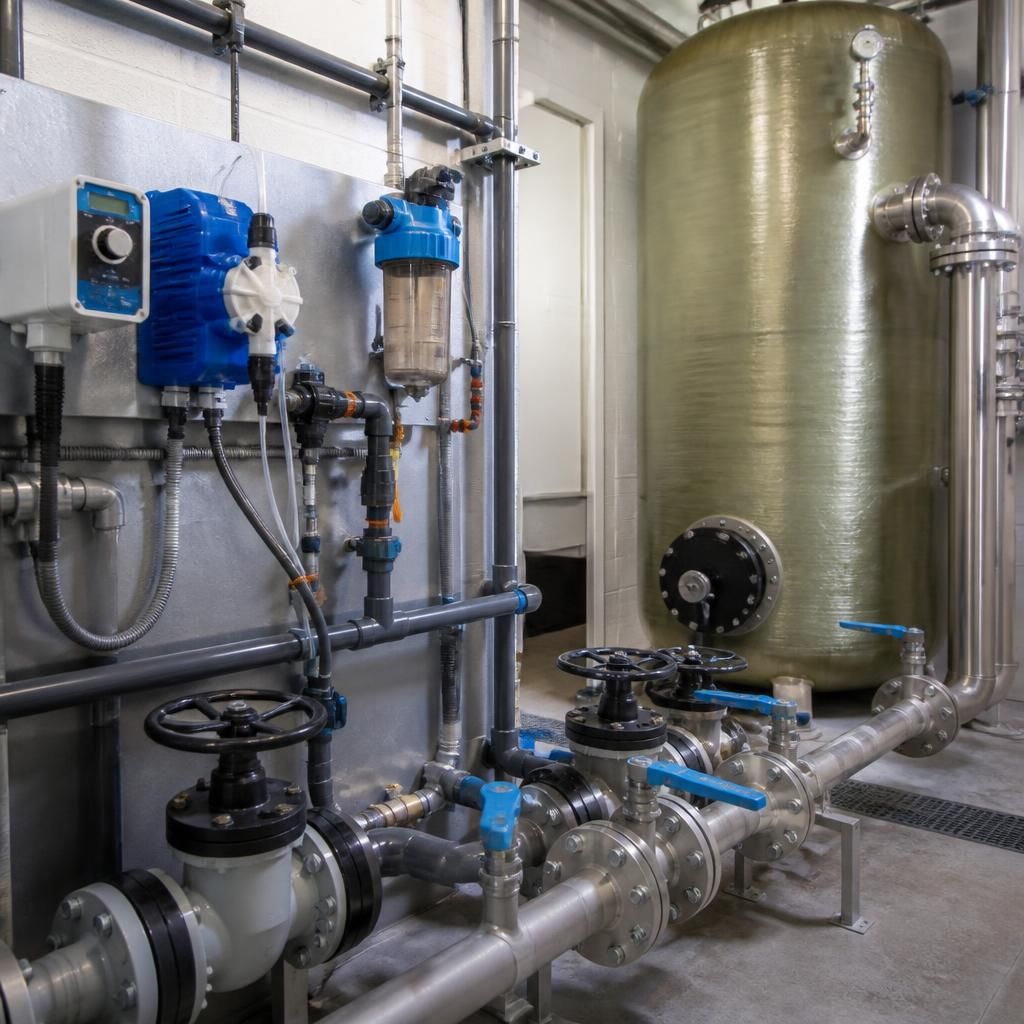
A positive Legionella or other microbiological test result does not, by itself, make chlorine disinfection the correct response. The result should be considered alongside the sampling method, the organism identified, the location sampled, the condition of the system and any evidence of exposure risk. A competent review can then establish whether chlorination is justified, whether immediate restrictions are needed, or whether investigation and targeted corrective work should come first.
This distinction matters because indiscriminate treatment can obscure the source of contamination without preventing its return. The decision should therefore link the test findings to a defined control objective, such as reducing contamination before further investigation, treating a confirmed affected section, or supporting the safe recommissioning of a system. The treatment plan should state what evidence triggered the decision and what result will demonstrate that the objective has been met.
Discuss Whether Chlorine Disinfection Is Appropriate
Discuss your system’s circumstances with Blue Fish Water Management to determine whether chlorine disinfection is an appropriate and proportionate control measure. A legionella risk assessment, water testing or compliance review can provide evidence for the decision.