
What follow-up support is included after pool chlorination?
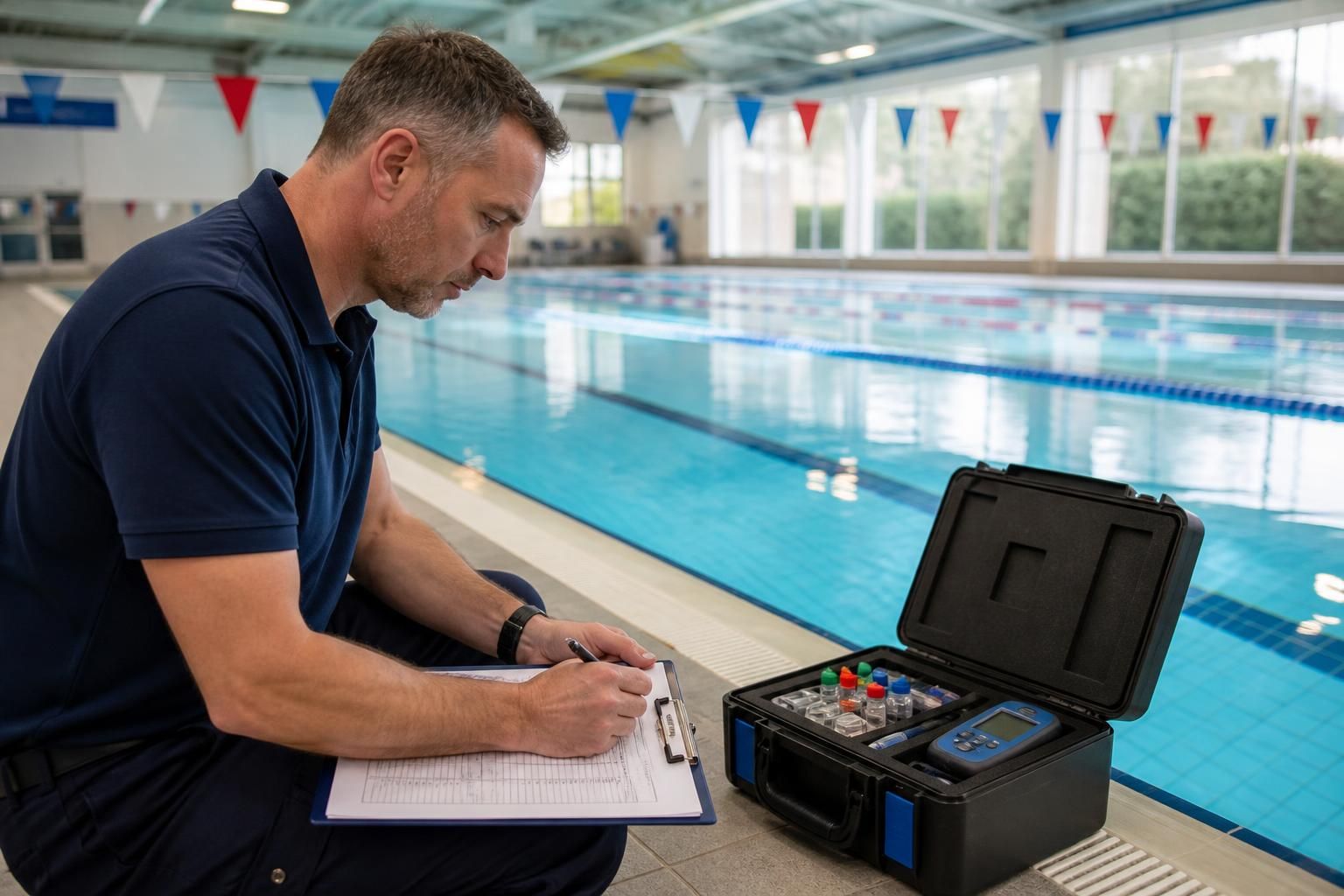
Follow-up support after pool chlorination typically consists of confirming that the treatment has been completed correctly, documenting the outcome, explaining any remaining risks and setting out the actions required to maintain compliant pool operation. The exact scope depends on the treatment carried out, the pool system, the findings recorded and the agreement with the provider.
A suitable follow-up process may include:
- Post-treatment verification: checking that the agreed chlorination procedure was completed, that relevant parts of the system were addressed and that the pool can be returned to normal operation in accordance with the planned controls.
- Interpretation of findings: explaining what the results and observations mean in practical terms, including whether they indicate an isolated issue or a weakness in the wider pool management system.
- Written documentation: providing a clear record of the work undertaken, observations made, relevant results, deviations from the planned procedure and any recommendations. This documentation can form part of the site’s water safety and compliance records.
- Corrective action planning: identifying actions such as cleaning, disinfection of associated components, adjustments to operating controls or investigation of possible contamination sources. Where remedial works are needed, the report should distinguish essential actions from longer-term improvements.
- Review of operating arrangements: considering whether procedures for dosing, cleaning, circulation, plant operation, inspection and record keeping are suitable for the pool. Chlorination alone may not resolve problems caused by poor circulation, inadequate cleaning or unsuitable management controls.
- Staff guidance and handover: explaining the findings to the people responsible for the pool and clarifying who must complete each follow-up action. Where appropriate, support may include training or advice on maintaining the required control measures.
- Further investigation: recommending additional checks where the initial outcome is inconclusive, adverse findings persist or the condition of the system suggests that a wider assessment is necessary.
Follow-up should also make clear what is not included. A one-off chlorination visit does not automatically create an ongoing management service, guarantee continuing compliance or cover remedial work unless these elements have been agreed. The quotation or service specification should state whether subsequent visits, additional sampling, compliance auditing, monitoring, training or repairs are included separately.
For higher-risk or complex pool systems, the provider may recommend a formal review rather than treating the chlorination as an isolated intervention. This can include examining previous records, assessing control procedures and checking whether responsibilities are clearly allocated. The purpose is to reduce the likelihood of the same problem recurring, rather than simply recording that a treatment has taken place.
The final report should be sufficiently detailed for the pool operator to demonstrate what was done and what happened afterwards. It should identify outstanding actions, responsible persons and any recommended review or reassessment point. Keeping this information with the site’s existing operational records gives managers a traceable basis for showing how identified risks have been addressed.
Before appointing a provider, ask whether its follow-up support covers only the immediate post-treatment report or also includes interpretation, corrective-action advice, staff guidance and further professional input. That distinction is important when comparing quotations and when deciding whether a single chlorination visit is adequate for the pool’s ongoing management needs.
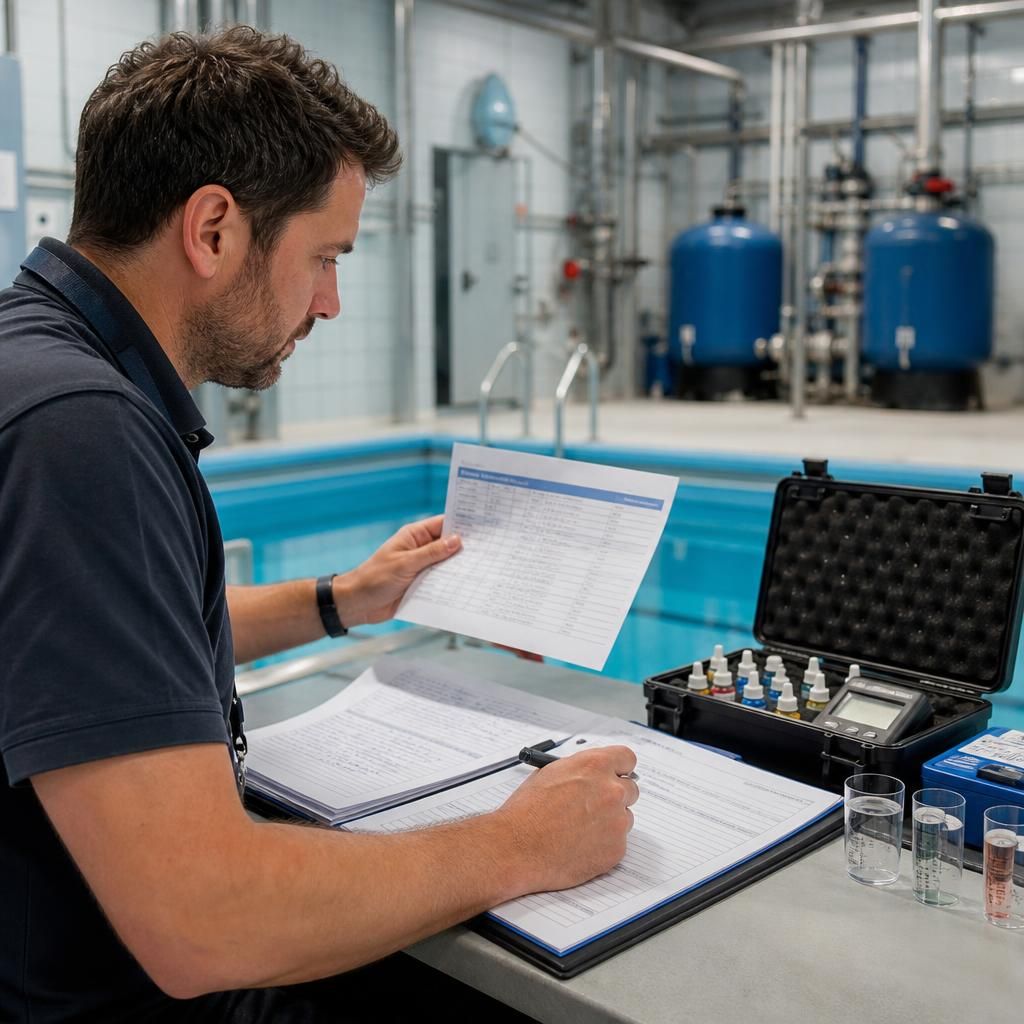
Useful follow-up support should explain how post-chlorination test results were obtained, not simply provide the numerical findings. The report should identify the sampling points, the timing of each sample in relation to treatment, the parameters tested and any conditions that could affect interpretation. This helps the pool operator distinguish a representative result from a limited check of one part of the system.
The provider should also explain what the results do and do not demonstrate. A satisfactory sample at one location does not necessarily confirm that every part of the circulation system is adequately controlled. Clear commentary on sampling limitations, any areas not examined and the circumstances that would justify repeat testing allows the operator to use the results appropriately when managing the pool after treatment.
Ask about post-chlorination support for your pool
Ask Blue Fish Water Management to clarify the follow-up support available for your pool and how it can align with your existing water safety arrangements. This will help you compare the scope of different chlorination proposals before appointing a provider.