
What happens after an unsatisfactory mains chlorination result?
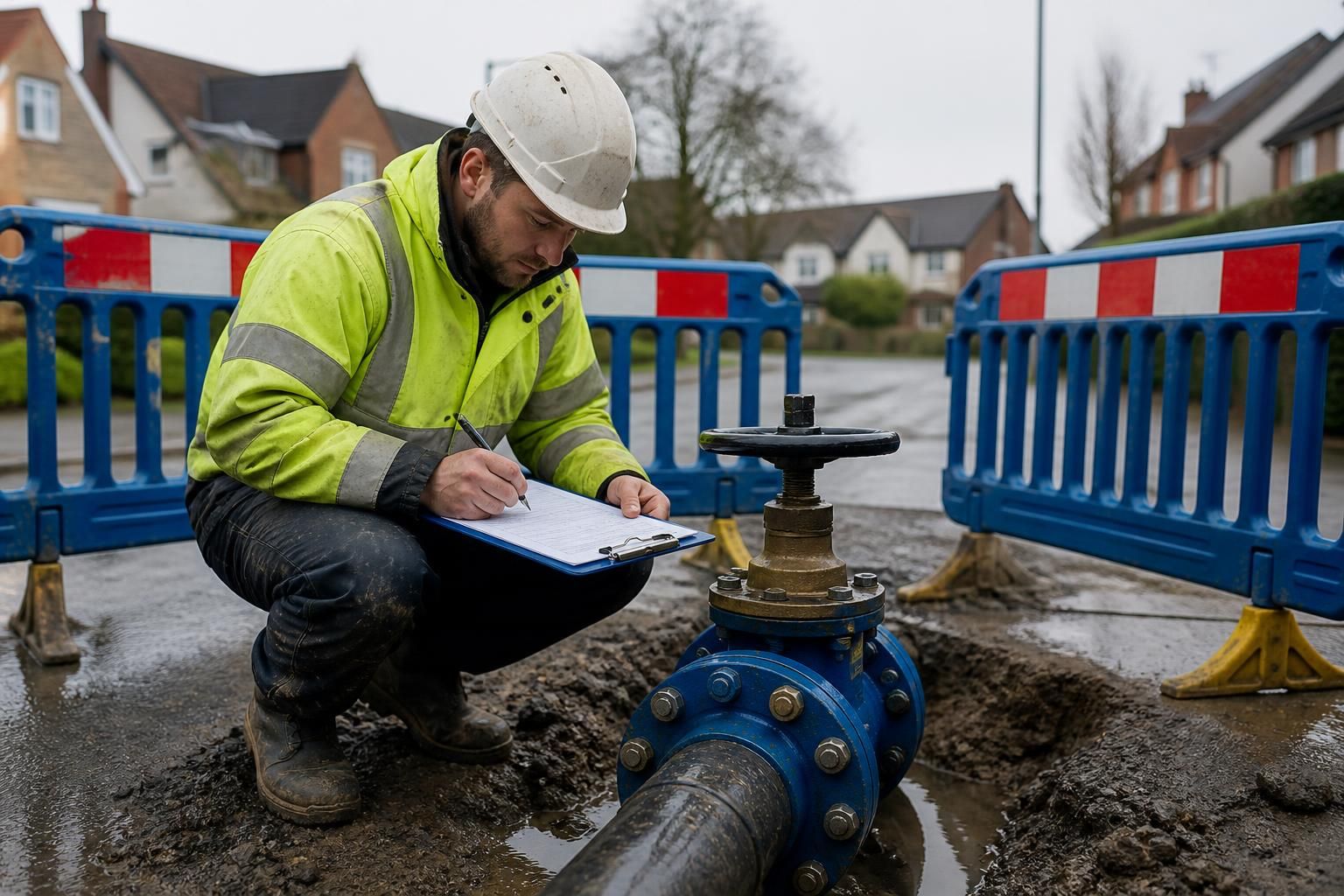
An unsatisfactory mains chlorination result triggers an investigation and a controlled cycle of remedial work, flushing and repeat testing. The newly installed main should remain out of service until the cause of the failure has been addressed and the required evidence demonstrates that the disinfection process has been completed successfully.
The first step is to establish what was unsatisfactory. This may relate to microbiological sample results, inadequate chlorine contact or residual levels, incomplete records, or a problem with the sampling process. The result should be reviewed alongside the chlorination certificate, test results, site notes, sampling locations and details of how the main was filled, dosed, held and flushed. A single abnormal result does not always identify the cause by itself, so the surrounding evidence is important.
The main should also be protected from being put into service accidentally. Any temporary connections, open ends, valves or fittings should be checked and secured. If the main has been connected to other sections, the affected area may need to be isolated while the investigation takes place. The responsible contractor, developer, water company or other approving party should agree the next steps in line with the project specification and applicable water industry requirements.
Common areas investigated after an unsatisfactory result include:
- Installation condition: dirt, construction debris, damaged fittings, contaminated components or ingress through an unsealed end can affect the result.
- Disinfection procedure: the dosing method, chlorine concentration, contact period, flow conditions and distribution of disinfectant may not have been adequate for the whole length of the main.
- Flushing: insufficient flow or poor flushing arrangements can leave disinfectant, sediment or contamination in sections of pipework, particularly at dead ends and difficult-to-reach points.
- System configuration: valves may have been incorrectly positioned, sections may have been missed, or connected branches may have allowed untreated water to enter the area being tested.
- Sampling and laboratory controls: samples may have been taken from unsuitable points, handled incorrectly, delayed in transit or affected by an issue that needs confirmation through repeat sampling.
Remedial action depends on the identified cause. It can include opening and cleaning accessible fittings, correcting valve arrangements, removing debris, repairing leaks, replacing contaminated components, improving temporary flushing arrangements or repeating the disinfection process. Where the failure indicates possible contamination, the affected section may require more extensive cleaning and investigation rather than simply taking another sample.
After remedial work, the main is normally flushed in a controlled manner to remove disinfectant and displaced material. The flushing process should be appropriate to the pipe size, configuration and available discharge arrangements. Water must be managed safely and lawfully, with care taken to prevent flooding, environmental harm or cross-connection with a potable supply. Chlorine residuals and other relevant observations should be recorded as part of the process.
Retesting should be planned rather than treated as an informal repeat of the original sample. Samples need to be taken from representative points using suitable procedures, with clear identification of the main, location, date and time. Where required by the project or approving authority, testing should be carried out by a suitably competent laboratory, including a UKAS-accredited laboratory where that is specified. The testing scope should reflect the reason for the original failure and any requirements imposed by the relevant water company or regulator.
If the repeat results remain unsatisfactory, further investigation is required. Repeated failures may indicate a continuing source of contamination, a concealed defect, ineffective flushing, an incorrect system boundary or a problem with the sampling arrangement. Repeating chlorination without addressing that underlying issue can delay commissioning without providing reliable evidence that the main is suitable for use.
Once the results are satisfactory, the project records should be reviewed before sign-off. A suitable completion file may include:
- the original and repeat laboratory reports;
- the chlorination and dechlorination records;
- details of remedial work and any replaced components;
- flushing records, including relevant observations and residual checks;
- sample locations and chain-of-custody information where applicable;
- drawings or marked-up plans showing the tested section; and
- approval or acceptance records required by the client, water company or project specification.
Only after the relevant party has accepted the evidence should the main be connected to the operational system or brought into normal use. Keeping a clear record of the failure, investigation, corrective action and retest provides an auditable explanation of how the issue was resolved and helps prevent the same problem on later sections of the installation.
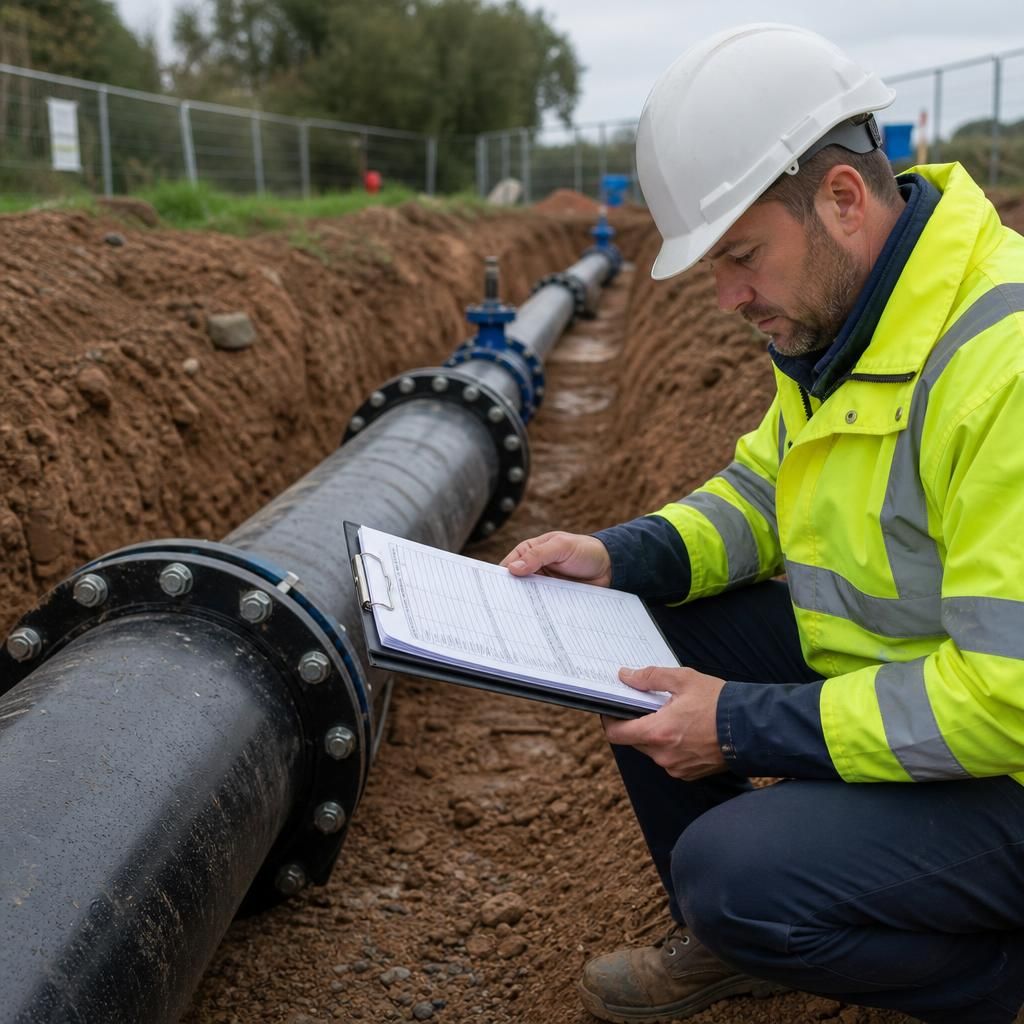
The corrective action should match the type of unsatisfactory result rather than defaulting to another full chlorination. A result showing inadequate chlorine contact or residual may point to dosing, flow, valve positioning or contact-time control. A microbiological failure requires closer examination of contamination sources, installation hygiene and the integrity of the sample. Where the result is unexpected, the sample location, collection details and laboratory report should also be checked before deciding on the remedy.
This distinction helps prevent unnecessary treatment and ensures that any repeat test demonstrates that the original problem has been corrected. The investigation should therefore record the reason for the selected remedial action, not simply state that the main was chlorinated again.
Discuss an Unsatisfactory Mains Chlorination Result
Contact Blue Fish Water Management Ltd to discuss an unsatisfactory mains chlorination result and determine the appropriate next step for investigation, remedial work or retesting.